


The Definitive Guide to Standard Golf Cart Wheel Size
Why Standard Golf Cart Wheel Size Confuses So Many Owners (And How to Get It Right)
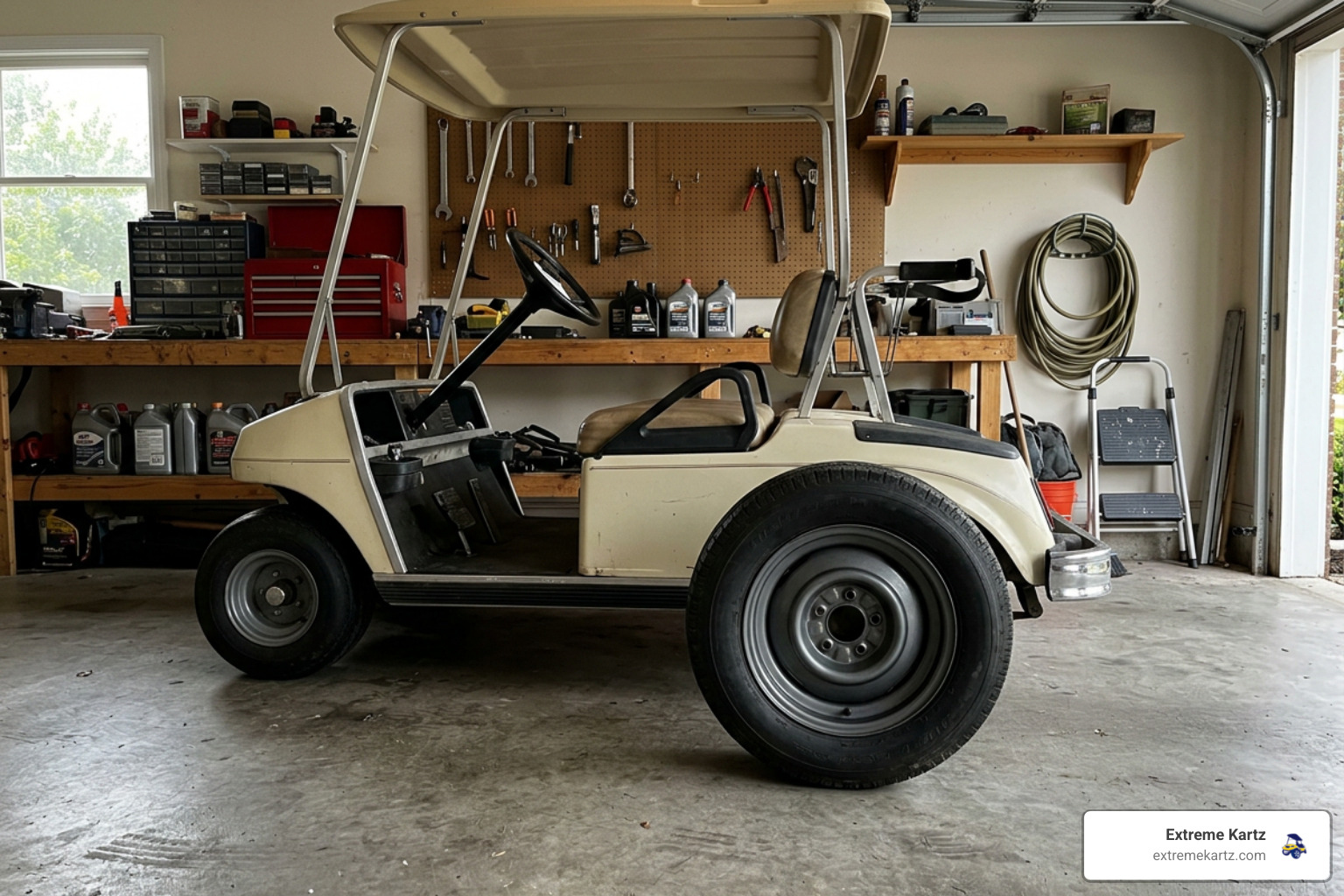
The standard golf cart wheel size is 8 inches in diameter — this is the factory OEM size used on virtually every Club Car, EZGO, and Yamaha cart that rolls off the production line. Paired with an 18x8.50-8 tire, this setup gives you an overall tire height of 18 inches and is the baseline for all fitment decisions.
Quick answer at a glance:
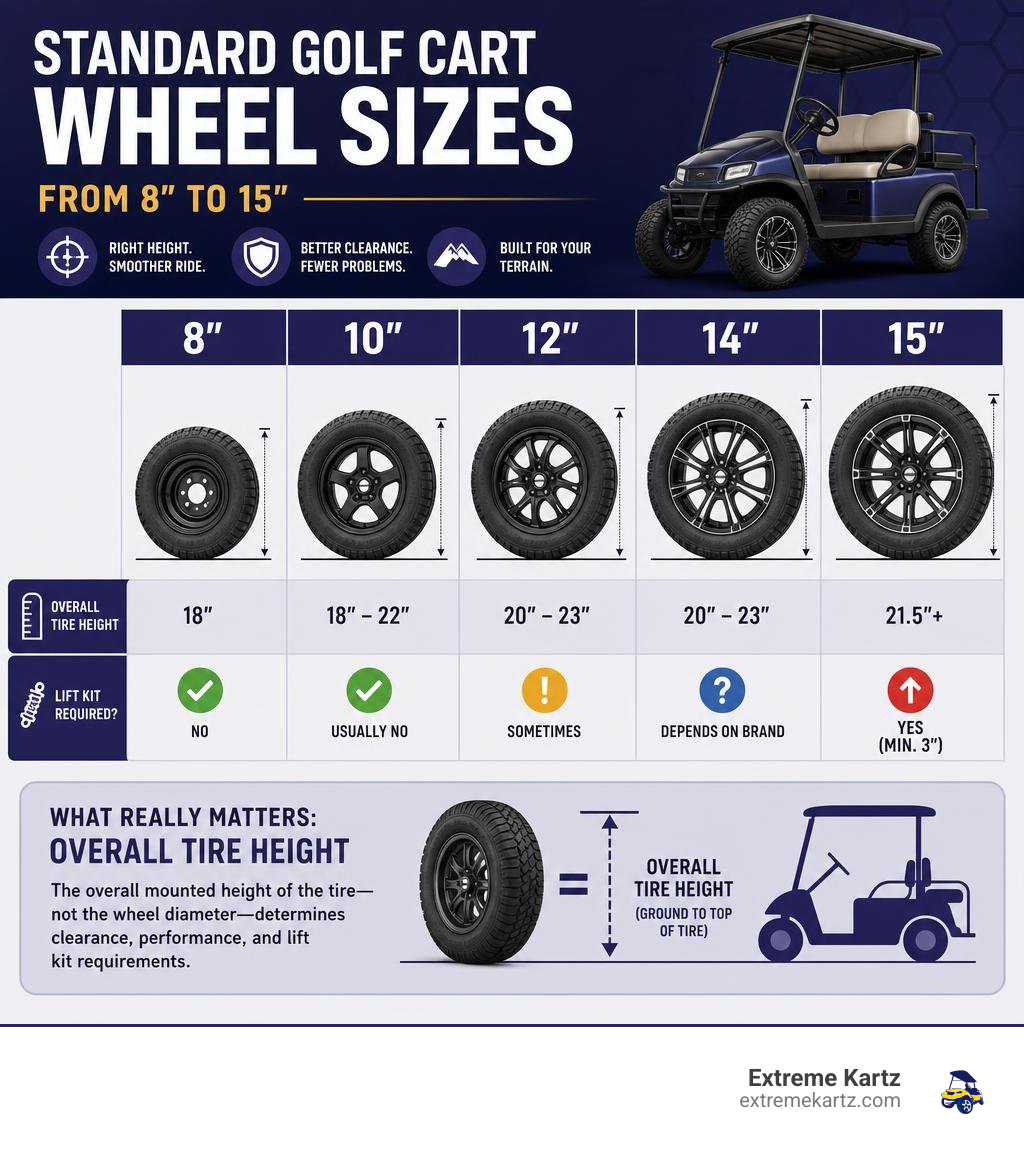
| Wheel Diameter | OEM or Aftermarket | Typical Overall Tire Height | Lift Kit Required? |
|---|---|---|---|
| 8" | OEM standard | 18" | No |
| 10" | Aftermarket | 18"–22" | Usually no |
| 12" | Aftermarket | 20"–23" | Sometimes |
| 14" | Aftermarket | 20"–23" | Depends on brand |
| 15" | Aftermarket | 21.5"+ | Yes (min. 3") |
Here's what surprises most people: the wheel diameter itself doesn't determine whether your tires will fit. What actually matters is the overall mounted height of the tire — the combined measurement once the tire is mounted on the wheel. A taller tire on an 8-inch wheel can require just as much clearance as a smaller tire on a 12-inch wheel.
That's where most owners run into trouble — ordering a wheel and tire combo based on the rim size alone, only to find it rubs the fender or sits wrong on the cart.
I'm Martin Davis, owner of Extreme Kartz, and since 2022 I've worked directly with technicians, manufacturers, and thousands of cart owners to cut through exactly this kind of confusion around standard golf cart wheel size and fitment. In the sections below, I'll walk you through everything you need to know to choose the right setup for your specific cart, terrain, and goals.
Understanding the Standard Golf Cart Wheel Size and Common Diameters
When you look at upgrading your golf cart's wheels, you will find five primary diameters available on the market today: 8", 10", 12", 14", and 15". While the diameter of these wheels varies dramatically, aftermarket golf cart wheels typically maintain a consistent 7-inch width across all diameter sizes. This standard 7-inch width makes matching tires straightforward, but selecting the right diameter is crucial for both style and utility.
| Wheel Size | Common Construction | Primary Use Case | Aesthetic Profile |
|---|---|---|---|
| 8" | Steel (White, Black, Grey) | Golf Course, Fleet, Utility | Classic, Minimalist, Utility-first |
| 10" | Steel or Cast Aluminum | Street, Turf, Light Trail | Balanced, Modern OEM |
| 12" | Cast Aluminum | Neighborhood, All-Terrain | Sporty, Highly Popular |
| 14" | Premium Cast Aluminum | Street Cruiser, Off-Road | Bold, Automotive-Inspired |
| 15" | Ultra-Premium Aluminum | Custom Lifted Builds | Extreme Stance, Aggressive |
Choosing between these sizes depends on whether you prefer the simple durability of steel rims or the intricate, lightweight styling of aluminum wheels. To explore how different materials and finishes impact your cart's performance, check out our Golf Cart Rims Complete Guide.
The OEM Standard Golf Cart Wheel Size (8-Inch)
The baseline for 99% of fleet golf carts is the classic 8-inch steel wheel. From the factory, major brands equip their carts with an 18x8.50-8 tire mounted on an 8-inch rim. This configuration is popular for several reasons:
- Turf Protection: The classic sawtooth tread is designed to distribute weight evenly, preventing turf damage on golf course fairways.
- Ride Comfort: The substantial rubber sidewall acts as a natural shock absorber, cushioning the ride over bumps.
- Cost Efficiency: Simple steel rims are incredibly durable and cost-effective to replace.
If you are looking to maintain your cart's original ride characteristics or replace worn-out factory parts, you can read more in our Golf Cart Wheels Complete Guide.
Upgrading Beyond the Standard Golf Cart Wheel Size (10" to 15")
If you want to move away from the basic fleet look, stepping up to larger wheel diameters opens up a world of aftermarket styling.
- 10-Inch Wheels: A highly versatile step up. Pairing a 10-inch wheel with low-profile tires keeps your overall tire height at 18 inches, giving you a custom look without requiring a lift kit. Learn more about this option in our guide to 10 Inch Golf Cart Wheels.
- 12-Inch Wheels: The "sweet spot" for many owners. It offers a perfect balance of visible metal and rubber sidewall. You can run low-profile street tires or aggressive all-terrain tires depending on your suspension setup.
- 14-Inch Wheels: These wheels look like miniature automotive wheels. They feature intricate spoke designs and ultra-low-profile tires for street use, or they can be paired with massive off-road tires on lifted carts. For a complete look at these setups, check out our Golf Cart 14 Rims and Tires Guide.
- 15-Inch Wheels: The newest and largest size on the market. Because the smallest compatible tire for a 15-inch rim measures 21.5 inches tall, these wheels require a lift kit on all cart models.
How to Read Golf Cart Tire Sizes: Imperial vs. Metric
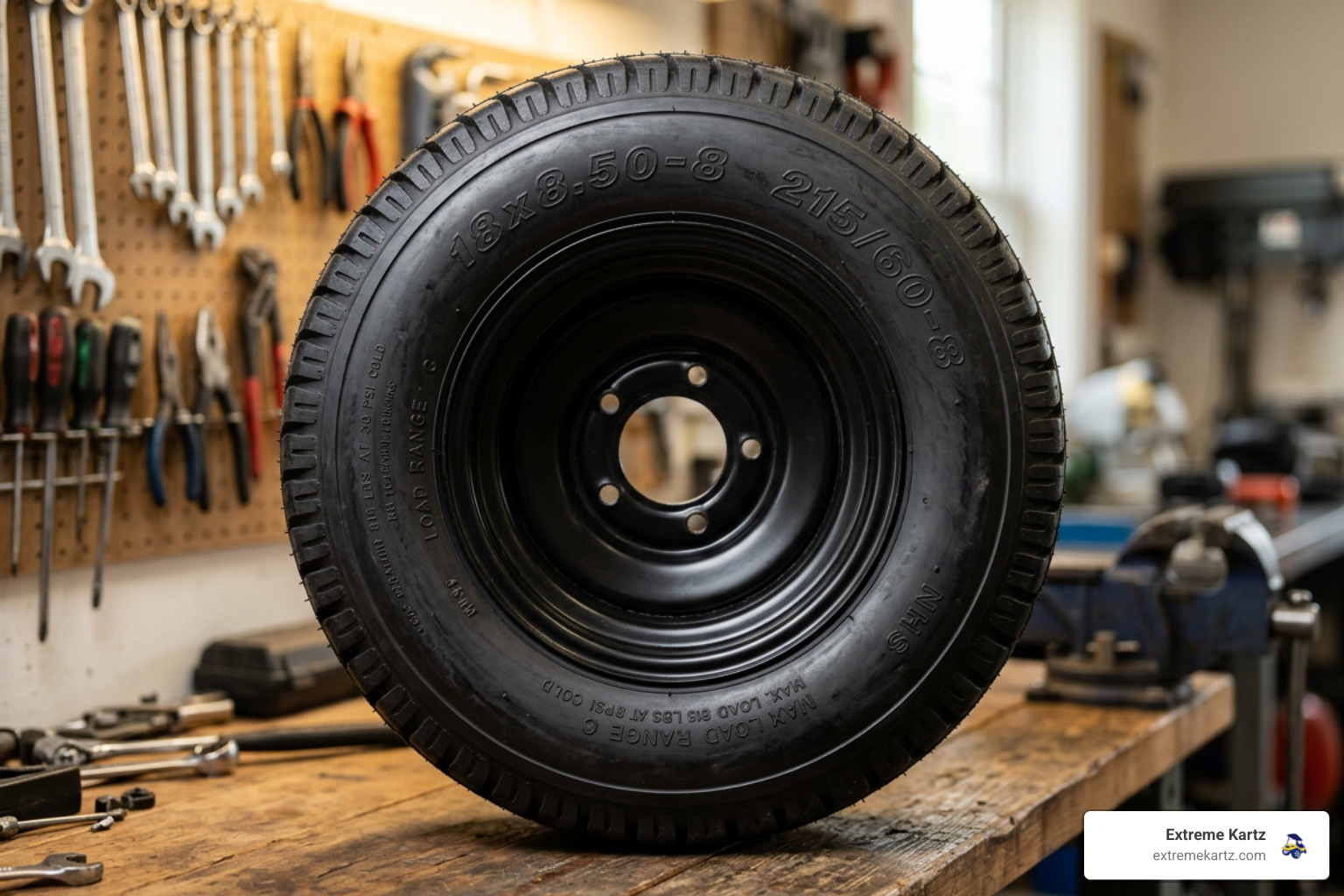
Understanding how to read the numbers printed on a tire's sidewall is essential to avoid fitment mistakes. In the golf cart industry, tire sizes are written in two distinct formats: Imperial (standard) and Metric.
To make sure you don't buy a tire that is too tall or has the wrong rim diameter, let's break down both sizing systems. You can also explore our Golf Cart Tires Rims Complete Guide for further clarification.
Imperial Sizing Format (e.g., 23x10.5-12)
The imperial system is the most common format, especially for off-road and all-terrain tires with high-profile sidewalls. It uses three simple measurements in inches:
- First Number (23): The overall height of the tire when inflated (23 inches tall).
- Second Number (10.5): The overall width of the tire tread (10.5 inches wide).
- Third Number (12): The wheel (rim) diameter that the tire is designed to fit (12-inch wheel).
If you see a tire labeled 18x8.50-8, you know instantly that it is 18 inches tall, 8.5 inches wide, and mounts onto a standard 8-inch wheel.
Metric Sizing Format (e.g., 205/50-10)
The metric system is typically found on low-profile street tires. It uses a mix of millimeters, percentages, and inches:
- First Number (205): The width of the tire tread in millimeters (205mm, or roughly 8 inches).
- Second Number (50): The aspect ratio. This is the sidewall height expressed as a percentage of the tread width (50% of 205mm is 102.5mm).
- Third Number (10): The wheel diameter in inches (10-inch wheel).
Low-profile metric tires have shorter sidewalls, which reduces tire roll during cornering for improved street performance. However, this stiffer sidewall also means you will feel more bumps on uneven pavement. To compare metric options on 12-inch rims, view our Golf Cart Tires Wheels 12 Inch Complete Guide.
Fitment, Clearance, and Lift Kit Requirements
Before upgrading your wheels and tires, you must understand how overall tire height and wheel offset affect your cart's suspension and body clearance.
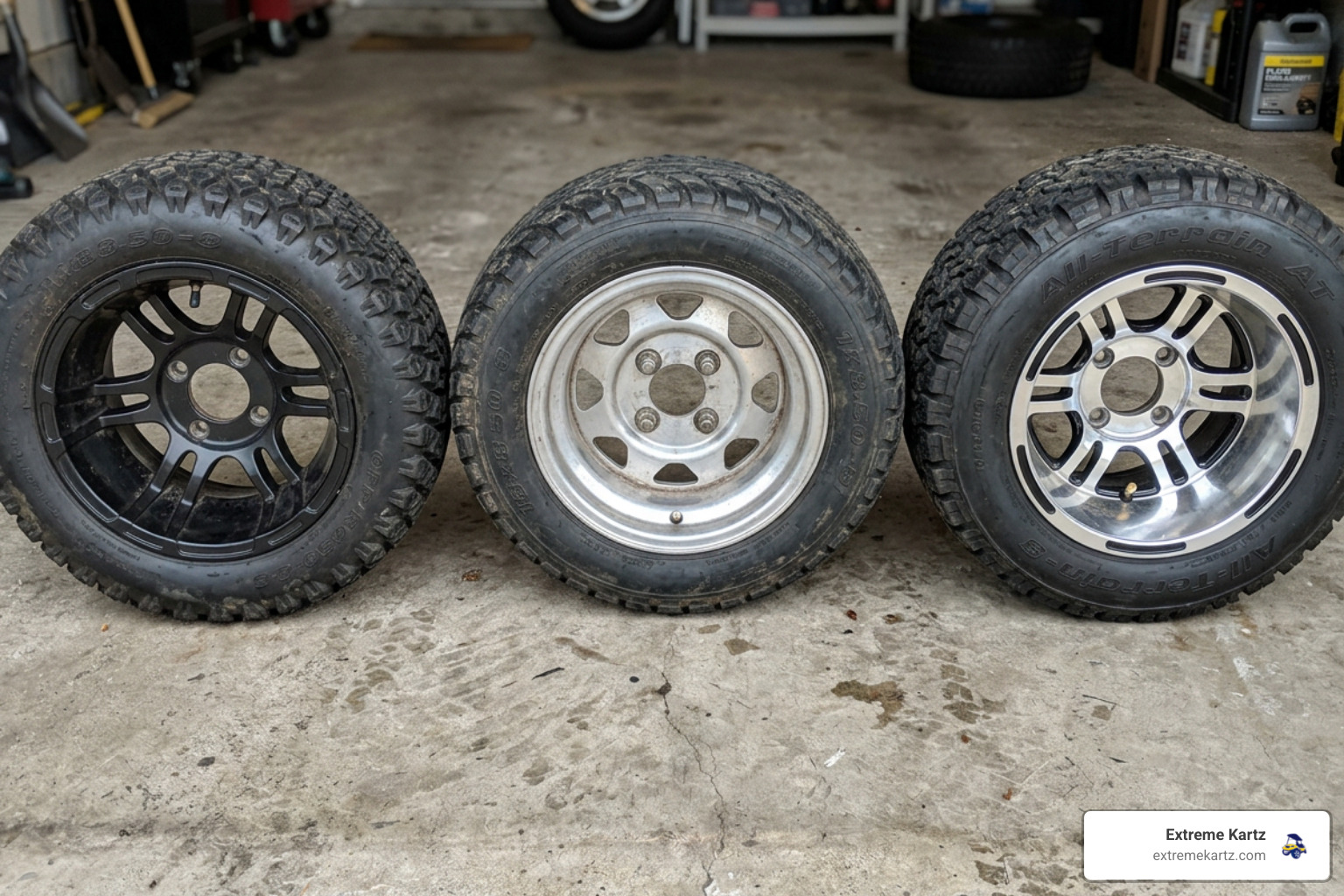
Understanding Wheel Offset
Wheel offset determines how far inward or outward your wheels sit relative to the cart's hubs:
- Positive Offset: The mounting surface is closer to the street side of the wheel, pulling the wheel and tire inward toward the cart frame. This is rarely used on aftermarket golf carts because it can cause suspension rubbing.
- Zero Offset (Centered): The mounting surface is directly in the middle of the wheel. This is the standard configuration for OEM 8-inch wheels.
- Negative Offset: The mounting surface is pushed closer to the inside (brake side) of the wheel. This pushes the wheel and tire outward, creating a wider stance. Negative offset is highly recommended for lifted carts because it provides the necessary clearance to prevent tires from rubbing against the suspension or inner fender wells while significantly improving stability.
Brand-Specific Clearance Limits (No Lift Kit)
Different golf cart manufacturers design their wheel wells and suspension systems with varying clearance limits. Here is what you can fit on a stock (non-lifted) cart without rubbing:
- EZ-GO (TXT, RXV): These carts feature generous fender clearance. You can comfortably fit tires up to 20.5 inches in height (such as a 205/65-10 or 215/50-12) on stock suspension, provided your leaf springs are in good condition.
- Yamaha Drive & Drive2: These models can accommodate up to a 20-inch overall tire height without a lift kit. However, older Yamaha G-Series models (G1-G22) have tighter clearances and are limited to 18.5 inches.
- Club Car (Precedent, DS, Onward): Club Car models have the tightest wheel wells. On stock suspension, you are strictly limited to an 18.5-inch overall tire height (such as a 205/50-10) to avoid rubbing during tight turns.
To find the perfect match for your specific vehicle, explore our dedicated guides:
Lift Kit Fitment Guide
If you want to install taller tires for off-road use or an aggressive stance, you must install a high-quality lift kit. Our lift kits ship in 1-2 business days.
- 3-Inch to 4-Inch Lift Kits: These kits allow you to run tires up to 20 to 22 inches tall comfortably.
- 6-Inch Lift Kits: The industry standard for off-road builds. A 6-inch lift provides enough clearance for 23-inch to 25-inch tires.
For a comprehensive layout of tire and lift kit options, read our Golf Cart Rims Tires Complete Guide or browse pre-mounted packages in our Golf Cart Tires with Rims collection.
Performance Impacts of Larger Tires
Upgrading to taller tires does more than just alter your cart's appearance — it changes its mechanical dynamics:
- Speed: Larger tires cover more ground per axle revolution. Upgrading from an 18-inch tire to a 23-inch tire can increase your top speed by 3 to 5 mph.
- Torque: Taller tires increase the mechanical resistance on your motor. You will experience a noticeable loss of low-end torque, which can affect hill climbing and heavy-load acceleration.
- Battery Range: Larger, heavier tires increase rolling resistance, which can reduce your electric cart's battery range by 10% to 15%.
Choosing the Right Tire Construction and Tread
Matching your tire's construction and tread pattern to your primary driving surface is essential for ride quality:
- Radial vs. Bias-Ply: Traditional bias-ply tires are tough and affordable, but they can flat-spot when sitting and ride firmly. Radial tires provide a smoother ride, lower rolling resistance, and last 30% to 50% longer on paved surfaces.
- Turf / Street Tires: Feature mild, shallow treads (like sawtooth) designed to maximize contact with pavement or protect delicate grass on golf courses.
- All-Terrain (AT) Tires: Feature deeper, wider tread blocks. They are the perfect choice for mixed-use driving on gravel, dirt trails, and neighborhood streets.
- Mud / Off-Road Tires: Feature aggressive, deep lugs designed to claw through mud, sand, and loose soil. They ride loudly and firmly on paved roads and will damage golf course turf.
Frequently Asked Questions About Golf Cart Wheels and Tires
What is the factory wheel size for OEM models?
The factory standard for OEM models from Club Car, EZ-GO, and Yamaha is an 8-inch wheel paired with an 18x8.50-8 tire. This standard fleet configuration provides a soft ride, excellent turf protection, and maximum reliability for golf course use.
Can I install 14-inch wheels on a stock golf cart without a lift kit?
It depends entirely on your cart's brand and the tires you choose.
- Yes: You can install 14-inch wheels on stock EZ-GO models and Yamaha Drive/Drive2 carts, provided you pair them with low-profile tires that keep the overall tire height at or below 20 inches.
- No: You cannot install 14-inch wheels on stock Club Car models or older Yamaha G-Series carts without rubbing. These models require a lift kit for any wheel larger than 12 inches due to their tight fender clearances.
How do larger wheels and tires affect electric golf cart battery range?
Larger wheels and tires increase the weight and rolling resistance of your cart, putting more strain on your motor and electrical system. This extra workload can drain traditional lead-acid batteries more quickly and may reduce range by 10% to 15%, depending on tire size, terrain, passenger load, and driving style.
If you are planning a larger wheel-and-tire setup, focus first on correct fitment, overall tire height, wheel offset, and whether your cart needs a lift kit. A properly matched setup will help preserve drivability while avoiding rubbing, sluggish acceleration, or unnecessary strain on the cart.
Conclusion
Upgrading your golf cart's wheels and tires is one of the most effective ways to customize its look and improve its performance. However, getting the fitment right requires balancing wheel diameter, overall tire height, wheel offset, and your cart's specific suspension clearance.
At Extreme Kartz, we focus on providing complete, system-based solutions to ensure your upgrades work together seamlessly. Whether you are looking for a sleek neighborhood cruiser or a rugged off-road machine, we are here to help you make an informed decision.
If you have any questions about clearance, offset, or choosing the right lift kit combination for your cart, Get expert fitment recommendations from Extreme Kartz and let our team guide you to the perfect setup.
Related Products

Vendor: RHOX Vegas, Matte Black w/ Center Cap, 10x7 ET-25

Vendor: 10" GTW® Maverick Black & Chrome Wheel Cover (Universal Fit)

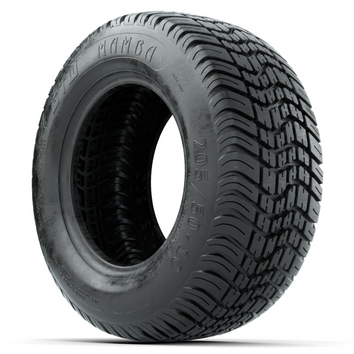
Vendor: 205/50-10 GTW® Mamba Street Tire (No Lift Required)

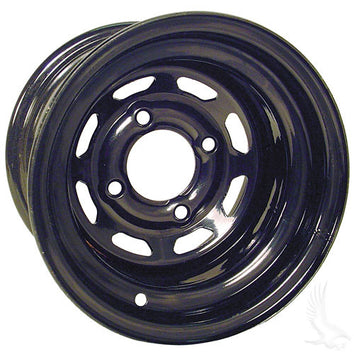
Vendor: Steel, Black 8 Window, 10x7 3:4 offset


