


The Complete Guide to Finding the Best Golf Cart Stereo

A golf cart stereo can be as simple as a Bluetooth sound bar or as complete as a weather-resistant system with speakers, an amplifier, a receiver, and added bass. The best choice depends on your cart's model, available mounting space, electrical setup, and how you plan to use it.
| If you want... | A good starting point is... |
|---|---|
| Quick Bluetooth music with a clean install | An amplified sound bar |
| A factory-style fit on a Club Car, EZGO, or Yamaha | A model-specific console or speaker-pod system |
| Stronger volume and clearer sound outdoors | Separate marine-grade speakers and an amplifier |
| More low-end sound for neighborhood rides and events | A compact powered subwoofer |
| Music and lighting for evening use | An RGB-equipped sound bar or speaker system |
Golf carts are open to sun, vibration, dust, and rain, so an audio setup needs more than loud speakers. Fitment matters. So does weather resistance, secure mounting, safe fused wiring, and reliable 12-volt power. A system that suits a two-seat cart may not mount the same way on a four-seat cart with an extended roof.
This guide will help you compare the main golf cart stereo styles, understand universal versus cart-specific fitment, and plan an audio upgrade that fits your budget and installation comfort level.
I am Martin Davis, owner of Extreme Kartz, where I work with manufacturers and technical teams to make golf cart upgrades easier to understand and fit correctly. That same practical approach applies to choosing a golf cart stereo that works reliably for real neighborhood, property, and recreational use.

Types of Golf Cart Stereo Systems: Sound Bars, Overhead Consoles, and Component Kits
When selecting a golf cart stereo, the first step is choosing the overall architecture of your system. Golf cart audio generally falls into four main categories, each offering distinct advantages in terms of mounting ease, sound output, and interior appearance.

- Amplified Sound Bars: Amplified sound bars represent one of the most popular modern upgrades for golf carts. Combining multiple speaker drivers, tweeters, and an internal Class-D amplifier into a single weather-resistant housing, sound bars range from compact designs to full-width arrays. These units deliver robust power with weather-resistant housings. Sound bars mount easily to overhead roof struts or roll bars using universal clamp brackets, making installation straightforward. To learn more about this style, read our guide on the Golf Cart Sound Bar.
- Overhead Stereo Consoles: Overhead consoles mount directly beneath the roof assembly. These enclosures can house a round gauge-style media receiver or single-DIN head unit along with two or four full-range speakers. Complete replacement overhead tops, such as universal molded roof systems designed for 4-passenger configurations, integrate speakers, amplifiers, and interior dome lights into a seamless roof assembly.
- Dash-Mounted Gauge Stereos: Gauge-style stereos fit into standard circular dash openings—the same size as standard golf cart gauges. Marine gauge receivers feature clear LCD displays, built-in tuners, Bluetooth audio streaming, and USB/AUX inputs. These head units connect directly to dash-mounted or body-mounted speaker pods.
- Component Audio Packages: Component systems separate each element—head unit or Bluetooth controller, external micro-amplifier, and individual marine speakers. Component packages utilize compact multi-channel amplifiers paired with marine-grade speakers, a fused wiring harness, and a dedicated waterproof controller.
| Audio System Type | Primary Mounting Location | Installation Complexity | Sound Dispersion |
|---|---|---|---|
| Sound Bar | Roof struts / Crossbars | Low to Moderate | Directed forward/downward from bar |
| Overhead Console | Roof underside / Top frame | Moderate | Overhead downward dispersion |
| Gauge Head Unit + Pods | Dash panel + Body pods | Moderate to High | Front cabin ear-level sound |
| Full Component System | Custom multi-point locations | High | Full surround cabin staging |
Choosing a Universal vs. Model-Specific Golf Cart Stereo Setup
Understanding the difference between universal-fit hardware and model-specific options is critical to ensuring your upgrade fits properly without requiring unexpected fabrication. Dimensions and prices mentioned in this guide are accurate as of publish; always confirm exact specs on the product page for your specific cart model.

- Universal Systems: Universal sound bars and Bluetooth audio kits use adjustable hose clamps or slide-track brackets. These attach directly to square or round roof struts found across various carts. Universal overhead tops fit standard 4-seat configurations across multiple frame styles.
- Model-Specific Pods and Consoles: Custom ABS speaker pods and dash consoles are molded to fit the exact contours of specific dashboards and body panels. For instance, customized dash pods engineered for Club Car Precedent or Onward, EZGO TXT or RXV, and Yamaha G29 Drive or Drive2 models fit flush against factory body lines. These pods keep footwells clear while maintaining a factory-installed look. For detailed details on Yamaha options, check our guide on Yamaha Golf Cart Radios.
How to Choose the Right Golf Cart Stereo for Your Riding Needs
Selecting the right setup comes down to your primary use case, budget, and control preferences:
- Daily Cruising & Neighborhood Utility: If you use your cart for quick neighborhood trips or hauling gear, an all-in-one Bluetooth sound bar provides clean sound and fast smartphone connectivity without cluttering your dash.
- Campgrounds, Trail Riding & Outdoor Events: For open-air environments where engine noise, wind, and outdoor space absorb sound, a multi-speaker system with an external amplifier ensures your music remains clear at high speeds.
- Control Preferences: Consider how you want to adjust volume and skip tracks. In-dash gauge displays provide physical buttons and station readouts, while waterproof Bluetooth remote buttons mounted on the steering wheel or dash allow quick blind control while driving.
Sound Bar vs. Full Audio System: Key Features and Weatherproofing
Choosing between an integrated sound bar and a full component stereo system involves balancing convenience against raw audio output and customization potential. For a broad look at complementary cart upgrades, explore our Golf Cart Accessories Complete Guide.

-
Integrated Sound Bars:
- Pros: Simple single-component mounting, low wiring complexity, built-in amplification, and compact design.
- Cons: Fixed speaker placement, limited stereo separation, and restricted bass enclosure volume.
-
Full Component Audio Systems:
- Pros: Superior sound staging using separate 6.5-inch marine coaxial speakers, higher continuous power output (RMS), expandable multi-zone control, and dedicated subwoofer outputs.
- Cons: Requires running separate speaker wires through roof struts or body panels, mounting multiple components, and finding dedicated space for external amplifiers.
Features of Outdoor Weather-Resistant Speakers and Receivers
Golf carts operate in environments exposed to moisture, intense sunlight, dust, and constant movement. Standard automotive or home audio gear will fail prematurely if installed on an open golf cart. Always look for these weatherproofing standards:
- IP Waterproof Ratings: Ensure electronic components carry an Ingress Protection rating. An IPX5 rating indicates protection against low-pressure water streams from any angle, meaning the unit can withstand rain downpours and garden hose washdowns. Higher ratings like IP66 or IP67 offer dust-tight sealing and resistance to heavy splash water.
- UV Protection & Marine Materials: Radios, speaker cones, and pod housings require UV-inhibited ABS plastic or composite materials to prevent cracking and fading under prolonged sun exposure. Marine speakers use polypropylene cones, synthetic rubber surrounds, and stainless steel hardware to prevent rust.
- Conformal Coated Circuit Boards: Amplifiers and head units designed for marine and golf cart applications feature conformal coating on internal printed circuit boards. This protective layer seals electrical traces against corrosion caused by high humidity and dew.
How to Power and Wire a Golf Cart Audio Setup
Powering a golf cart stereo requires careful attention to your vehicle's electrical configuration. Gasoline golf carts use standard 12-volt starter batteries and traditional automotive wiring techniques. However, electric golf carts operate on higher-voltage main battery packs—typically 36 volts or 48 volts, comprised of standard lead-acid batteries or advanced lithium batteries.

Never connect a 12-volt audio system directly across a single 6-volt or 8-volt battery in a series pack. Tapping individual batteries creates an imbalance across the pack during charging and discharging, significantly shortening overall battery lifespan.
Voltage Reducer / Converter Requirements
To power a 12V stereo system on a 36V or 48V electric golf cart safely, you must install a 36V/48V to 12V voltage reducer (step-down transformer).
- Select a voltage converter rated for higher amperage than your stereo system demands. A standard sound bar or 2-channel amp usually requires a 10-amp to 20-amp reducer.
- If you plan to add high-power multi-channel amplifiers, powered subwoofers, and LED lighting, install a 30-amp continuous voltage reducer connected to a dedicated 12V fuse block.
- When upgrading electric carts, modern lithium battery conversions from approved brands like Bolt Energy, Eco Battery, Lithium Rhino, or Bedrock Battery provide clean, steady 12V power output when paired with matching integrated voltage converters.
DIY vs. Professional Audio Installation Considerations
If you possess basic mechanical skills and experience using electrical tools, installing a golf cart sound system is a manageable weekend project.
- Required DIY Tools: Wire strippers/crimpers, heat gun and heat-shrink tubing, fused wiring harness, automotive zip ties, drill and hole saws (for dash or panel mounting), and a multimeter to verify 12V DC polarity.
- When to Seek Professional Help: Consider professional installation if your build involves running heavy-gauge power lines through main chassis channels, installing custom fiberglass dash panels, or integrating high-draw multi-amplifier setups requiring custom 30A voltage step-down transformers.
Adding Bass, RGB Party Lighting, and Subwoofers
While full-range 4-inch or 6.5-inch marine speakers handle crisp vocals and high frequencies, open outdoor spaces quickly absorb low-end bass frequencies. Adding a dedicated subwoofer and custom illumination elevates your overall audio experience.
Choosing the Right Golf Cart Subwoofer
- Powered Under-Seat Subwoofers: Compact, self-amplified subwoofer enclosures measuring 8 inches or 10 inches are engineered to slide neatly beneath backward-facing rear seats or under front seat assemblies. These weather-resistant enclosures deliver deep low-end response without occupying cabin floor space.
- Amplified Subwoofer Bars: Enclosed bass tubes and compact amplified subwoofers, such as 8-inch powered bass modules, offer quick mounting directly to roof frames using heavy-duty bracket hardware.
RGB Lighting and Party Bars
Integrated RGB LED lighting is a popular addition to modern golf cart audio systems:
- Multi-Mode Illumination: Sound bars and speaker arrays often feature built-in RGB lighting offering solid color selections, smooth color fading, flash sequences, and sound-reactive music sync modes that pulse to the beat of your music.
- Control Systems: You can manage lighting options using physical dash-mounted rocker switches, hand-held wireless RF remotes, or dedicated smartphone Bluetooth apps.
Frequently Asked Questions About Golf Cart Audio
Do I need a voltage converter for a golf cart audio system?
Yes, if you drive a 36V or 48V electric golf cart, you must use a voltage reducer to step down main pack voltage to a safe 12V DC output. Connecting 12V audio equipment directly to high-voltage battery terminals will cause immediate electrical failure. Gasoline golf carts operate on standard 12V electrical systems and do not require a voltage converter.
Can I install a golf cart audio setup myself?
Most all-in-one Bluetooth sound bars and pre-wired overhead console kits are designed for straightforward DIY installation using standard hand tools. Full component systems that require cutting dash panels, running wires through chassis channels, or mounting external voltage reducers may take 2 to 4 hours to complete.
Are golf cart audio components waterproof?
Not all audio components are built for outdoor use. Always check for marine-grade certifications and IP ratings (such as IPX5 or higher). Weather-resistant components feature sealed motor structures, UV-resistant ABS housings, conformal coated circuit boards, and synthetic speaker cones designed to withstand splash water, dust, humidity, and direct sunlight.
Conclusion
Upgrading your ride with a quality golf cart stereo transforms everyday driving into an enjoyable, high-fidelity experience. Whether you prefer the straightforward installation of an amplified Bluetooth sound bar, the factory aesthetic of model-specific dash pods on your Club Car, EZGO, or Yamaha, or the high-output impact of a full marine component kit with added bass, selecting components designed specifically for outdoor environments ensures reliable performance season after season.
At Extreme Kartz, we focus on helping you find the precise parts, consoles, and accessories tailored to your specific vehicle model and power setup. Most audio kits leave our warehouse within 1–3 business days, with typical transit of about 3–7 business days after that. If you have questions about fitment accuracy, voltage reducer compatibility, or mounting requirements for your cart, contact our expert technical support team today. Explore our full selection of audio upgrades by checking out our Golf Cart Radios section, browse our full line of Golf Cart Accessories, or visit Extreme Kartz to start building your ultimate audio package!
Related Products


Vendor: Lithium Rhino-GX500 Soundbar with T-Bracket

Vendor: Boss Sound Bar, Six Speaker 26" with Bluetooth and Mounting Hardware


Vendor: Bazooka BPB24-DS-G2 24" Double Sided Bluetooth G2 Party Bar*

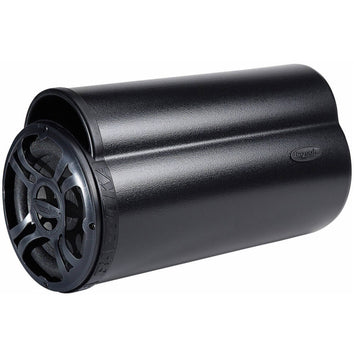
Vendor: Bazooka BTA8100 BT Series 8-Inch 100-Watt Amplified Tube Sub


