


A Quick Start Guide to Golf Cart Sound Bars
Why a Golf Cart Sound Bar Is One of the Most Popular Cart Upgrades Right Now

A golf cart sound bar is a single-bar audio system that mounts directly to your cart's roof struts or roll cage, combining speakers, amplifier, and Bluetooth into one compact unit. It replaces the need for separate speaker boxes, wiring, and amplifiers — making it one of the cleanest and most practical upgrades you can add to a cart.
Here's what you need to know at a glance:
| Question | Quick Answer |
|---|---|
| What is it? | An all-in-one speaker bar that mounts to your golf cart's roof struts |
| How does it connect? | Bluetooth (usually 5.0) from your phone, plus AUX and USB inputs |
| Is it waterproof? | Most quality models carry IP65 or IP66 ratings |
| How much power do you need? | 150–300W RMS for clear sound over wind and road noise |
| Will it drain your battery? | A 200W RMS unit draws roughly 15–18 amps; manageable on most carts |
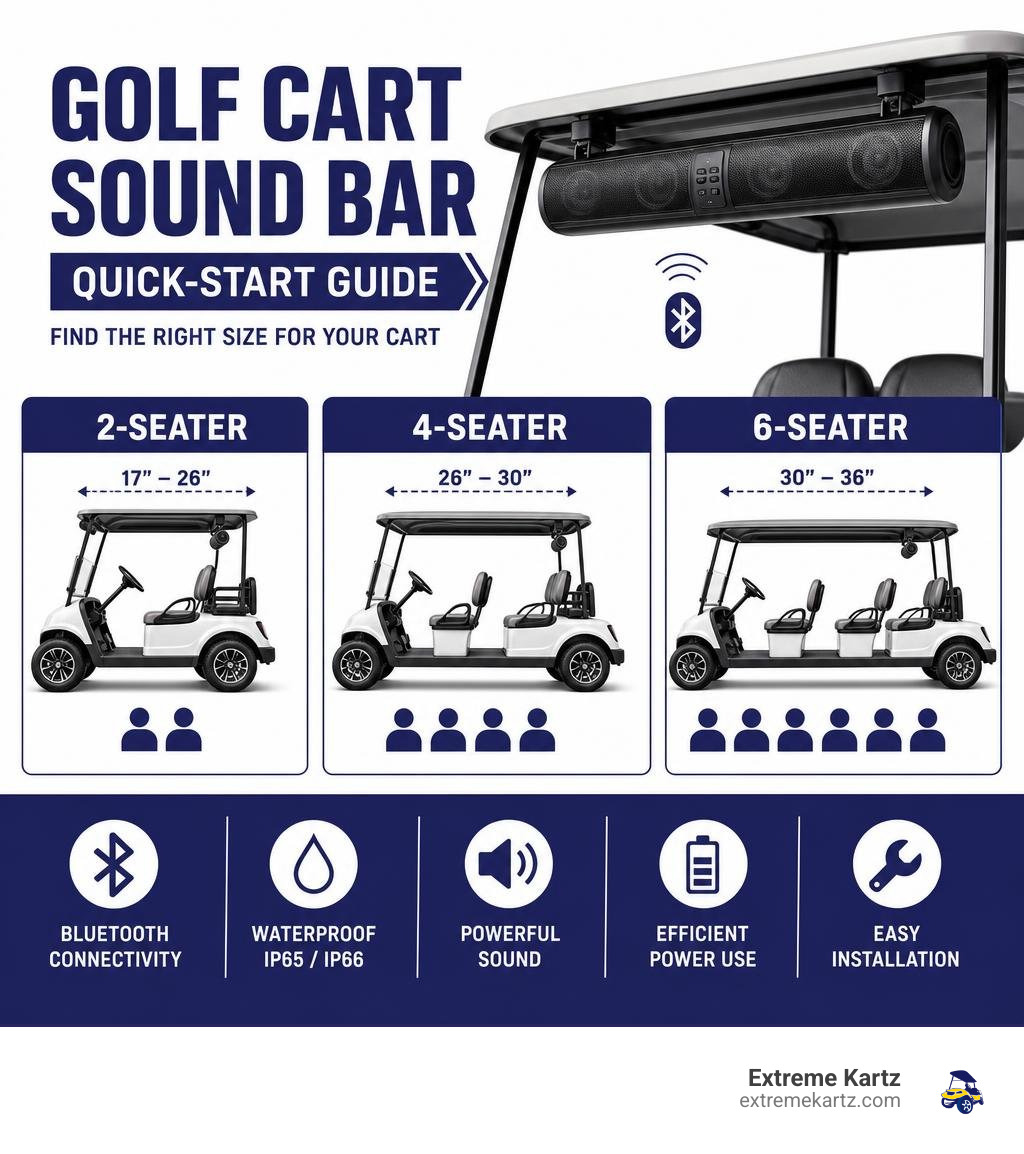
| What size fits my cart? | 17–26" for 2-seaters, 26–30" for 4-seaters, 30–36" for 6-seaters |
| Price range? | $80 (budget) to $1,000+ (premium) |
Golf carts have evolved well beyond the fairway. More owners are using them for neighborhood transportation, campground cruising, and family rides — and audio has become one of the first upgrades they make. The golf cart accessories market surpassed $350 million in 2022 and continues to grow, with soundbars consistently ranking among the most requested add-ons.
This guide walks you through everything: key features, sizing, top brands, power options, installation, and common questions — so you can choose the right system with confidence.
I'm Martin Davis, owner of Extreme Kartz, and over the years I've helped thousands of golf cart owners navigate golf cart sound bar options across all major cart brands — from Club Car and EZGO to Yamaha and ICON. This guide is built on that hands-on experience, and I'll keep it straightforward so you can make the right call without the confusion.
Key Features to Look For in a Golf Cart Sound Bar
When shopping for a golf cart sound bar, it is easy to get distracted by flashy features like multi-color LED lights or massive peak wattage claims. However, the real-world performance of an outdoor audio system comes down to how well it handles the elements and how clearly it plays at high speeds.
Understanding IP Ratings: Weatherproofing and Dust Protection
Because golf carts are open-air vehicles, your audio system is going to face dust, rain, and mud. This is where IP (Ingress Protection) ratings matter. An IP rating consists of two numbers: the first represents solid particle protection (dust), and the second represents liquid protection (water).
- IP44 (Splash-Resistant): This is the bare minimum. It protects against splashes of water from any direction, but it is not sealed against heavy rain or fine dust. If you only ride in perfect weather and store your cart in a climate-controlled garage, this might suffice, but we generally recommend higher protection.
- IP65 (Weatherproof): This rating means the unit is completely dust-tight and can withstand low-pressure water jets from any angle. Brands like Kemimoto build their hardware to meet IP65 standards, making them highly reliable for standard trail riding and light rain.
- IP66 (Dustproof and Water-Resistant): This is the sweet spot for maximum durability. An IP66-rated soundbar, such as the MadJax Decibel or ECOXGEAR SoundExtreme, is completely dustproof and can handle high-pressure water sprays. If you live in a coastal area with salty air, wash your cart with a hose, or frequently get caught in heavy downpours, look for IP66 or higher.
Understanding Power Output: Peak vs. RMS Wattage
One of the most common mistakes buyers make is choosing a soundbar based solely on "Peak Wattage."
- Peak Wattage (often advertised as 500W or 800W) is the maximum power a speaker can handle in short, microsecond bursts. It has very little to do with daily performance.
- RMS Wattage (Root Mean Square) measures the continuous power an amplifier can output without distorting the audio.
For a golf cart traveling at 15 to 25 mph, wind and road noise will easily drown out weak speakers. To get clear, full-range audio that doesn't crackle when you turn it up, you should target a system that delivers at least 150W to 200W RMS. High-efficiency Class D digital amplifiers are standard in premium soundbars because they produce incredible volume while generating very little heat and drawing minimal power from your battery system.
Bluetooth Connectivity and Wired Inputs
Your soundbar should make playing music effortless. Modern units rely on Bluetooth 5.0 or higher, which offers faster pairing, a more stable connection over longer distances, and automatic reconnection when you hop back in your cart.
Look for soundbars that offer physical inputs as well, such as a 3.5mm AUX input and a USB port. A USB port is highly convenient not only for playing music from a flash drive but also for charging your phone while on the go.
Additionally, many premium soundbars offer synchronization modes (often called Party Mode or Broadcast Mode). This allows you to wirelessly link multiple soundbars together. If you participate in neighborhood holiday parades, group trail rides, or campground meetups, this feature allows up to 50 or 100 carts to play the exact same playlist in perfect sync.
Selecting the Right Size and Brand for Your Cart Configuration
A soundbar that is too small will sound thin and quiet on a large passenger cart, while a bar that is too large might block your rearview mirror or look awkwardly bulky.
Before purchasing, we highly recommend reading our Premium Golf Cart Accessories guide to understand how audio upgrades fit into your overall cart build.
| Cart Capacity | Recommended Soundbar Size | Key Placement Considerations |
|---|---|---|
| 2-Seater | 17" to 26" | Mounts cleanly between the front roof struts; doesn't block visibility. |
| 4-Seater | 26" to 30" | Best mounted on the front roof struts angled slightly downward toward the rear. |
| 6-Seater | 30" to 36" | Requires maximum coverage; center-mounting or dual-unit setups work best. |
Choosing the Right Size Golf Cart Sound Bar for Your Cart
- 18-Inch Models: Ideal for standard 2-seater carts. These compact bars typically house 4 speakers (such as two full-range drivers and two tweeters) and fit perfectly between narrow front roof supports without hanging over the edges.
- 26-Inch Models: The standard size for most 4-seater carts. These units usually feature 6 to 8 speakers, including dedicated mid-range drivers and passive radiators for a fuller bass response.
- 33-Inch+ Models: Designed for 6-seater limo carts or off-road utility setups. These large bars contain up to 11 speakers, offering wide sound dispersion so passengers in the very back row can hear the music just as clearly as those in the front.
Pro Tip: Always measure the distance between your roof struts before ordering. You want to ensure you have enough clearance for both the soundbar housing and the mounting brackets.
Comparing Premium Golf Cart Sound Bar Brands
When upgrading your cart's audio, choosing a reputable brand ensures you get reliable customer support, accurate fitment, and a solid warranty.
- ECOXGEAR: Known for rugged, marine-grade durability. Their SoundExtreme series features clear audio and built-in LED lighting. Browse our ECOXGEAR collection to explore weather-resistant audio options for golf carts.
- MadJax: A trusted name in the golf cart industry. The MadJax Decibel 26-inch soundbar delivers 500 watts of peak power, an IP66 rating, and a built-in Class D amplifier with ResonX passive radiators for rich, distortion-free bass.
- Lithium Rhino: Offers premium, high-performance soundbars like the Lithium Rhino GX500 Soundbar with T-Bracket. Known for including versatile mounting hardware and integrated, app-controlled LED light shows.
Powering Options and Battery Considerations
Electric golf carts operate on high-voltage battery systems — typically 36V, 48V, or 72V. However, almost all standard golf cart soundbars and 12V accessories require a 12V power source. Connecting a 12V soundbar directly to a 48V battery bank will instantly destroy the electronics.
To safely power your soundbar, you have two primary options:
- Use a Voltage Reducer (Recommended): A voltage reducer connects to your entire battery bank and steps the voltage down to a safe 12V. This ensures even draw across all your batteries, preventing premature wear on individual cells.
- Use an Auxiliary 12V Battery: Some owners prefer to install a separate, dedicated 12V battery under the seat solely to power accessories like the soundbar, lights, and chargers. This keeps the cart's main drive batteries completely isolated.
For a deeper dive into managing your cart's electrical system, take a look at our Golf Cart Accessories Complete Guide.
Lithium Battery Integration for Audio Systems
If you have upgraded your cart to a modern lithium battery system, you are already in a great position. Lithium batteries from trusted brands like Lithium Rhino, Eco Battery, Bolt Energy, or Bedrock Battery provide a flat discharge curve. Unlike old lead-acid batteries, which suffer from voltage drops as they discharge, lithium batteries maintain a steady, consistent voltage.
This constant voltage is highly beneficial for high-output audio systems, as it prevents your soundbar from clipping or distorting when you turn the volume up, even if your battery is at 20% capacity. Additionally, lithium batteries are incredibly efficient, meaning you can run your soundbar for hours without noticing any meaningful impact on your cart's driving range.
Installation and Mounting Best Practices
Installing a golf cart sound bar is a highly popular Saturday afternoon project that typically takes between 1 and 2 hours.
Follow these steps for a clean, secure installation:
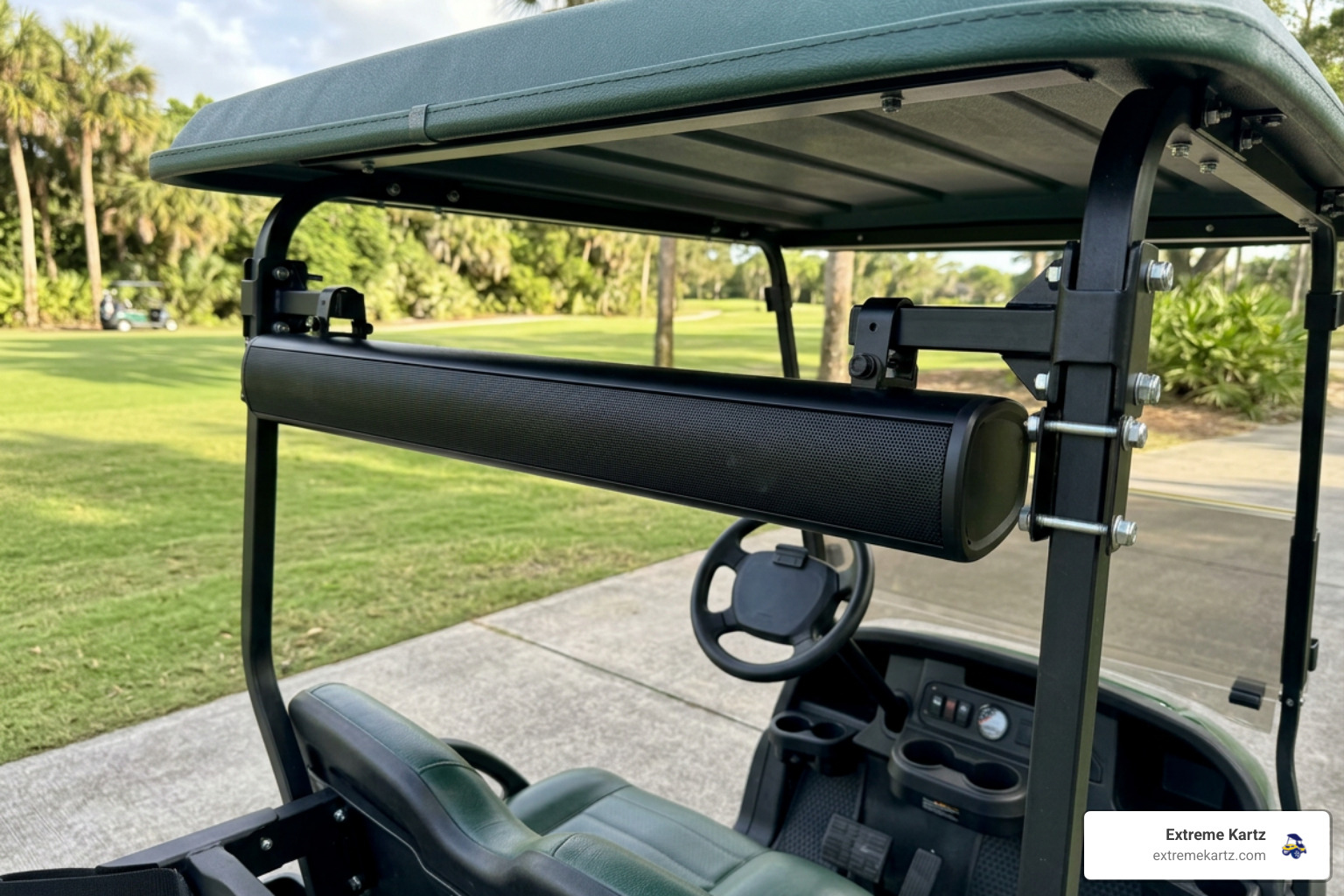
- Select Your Mounting Location: The most common location is overhead, mounted to the front roof struts. This places the speakers at ear level for optimal sound quality.
- Identify Your Strut Type: Standard golf cart struts are either round (common on older carts and custom roll cages) or square (common on Club Car, EZGO, and Yamaha). Ensure your soundbar kit includes the correct clamps. For carts without a rear crossbar, a specialty T-bracket is often required. For more on cart-specific structures, see our Double Take Golf Car Accessories Guide.
- Route the Wiring Harness: Run the power cable down the inside of the roof strut channel. Use wire loom and zip ties to keep the wiring tight, hidden, and protected from pinch points.
- Connect to Power: Route the harness to your 12V voltage reducer or auxiliary battery. Always install an inline fuse (typically 10A to 15A) close to the power source to protect your investment from electrical surges.
- Tighten and Test: Secure all hardware. Due to the constant vibrations of off-road driving, we recommend using blue thread-locking compound on all mounting bolts.
Frequently Asked Questions About Golf Cart Audio
Are soundbars legal and appropriate for use on golf courses?
Yes, most golf courses allow music, but proper etiquette is essential. Keep the volume at a level where it can only be heard within your cart. As a general rule, if players on an adjacent tee box can hear your music, it is too loud. Always check with the pro shop regarding local course rules before teeing off.
Will a soundbar drain my golf cart battery?
A typical 200W RMS soundbar draws roughly 10 to 15 amps at peak volume. On a standard electric cart battery pack, you can expect 8 to 12 hours of continuous playback before it has any noticeable impact on your driving range. If you are parked and listening to music for extended periods, keeping the volume at a moderate level will conserve power.
Do I need a separate amplifier for my soundbar?
No. One of the main advantages of a golf cart sound bar is its all-in-one, active design. The amplifier is built directly into the housing, which eliminates the need to mount, wire, and protect a separate amplifier. If you want to expand your system later, look for a soundbar with a dedicated AUX-out port to easily connect an external subwoofer. For traditional dash-mounted setups, read our guide on Golf Cart Radios.
Conclusion
Upgrading your ride with a premium golf cart sound bar is one of the most rewarding modifications you can make. It brings high-quality, weatherproof entertainment to your daily cruises, neighborhood gatherings, and trail rides without the complexity of traditional component speaker systems.
At Extreme Kartz, we focus on system-based solutions rather than individual parts. We want to ensure that your new audio setup integrates seamlessly with your cart's electrical system, roof struts, and battery configuration.
If you have questions about fitment, voltage reducers, or mounting compatibility for your specific Club Car, EZGO, or Yamaha model, we are here to help. Explore our curated collection of Golf Cart Radio & Speakers or reach out to our team today for expert guidance on building your ultimate outdoor sound system.
Related Products


Vendor: Bazooka BPB24-DS-G2 24" Double Sided Bluetooth G2 Party Bar*

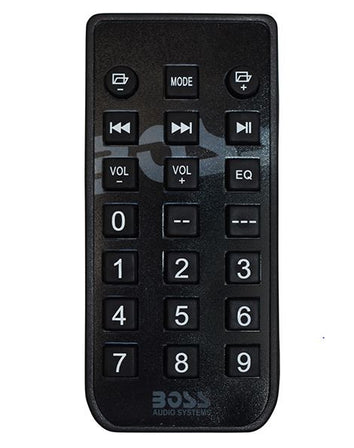
Vendor: Boss Sound Bar, Six Speaker 26" with Bluetooth and Mounting Hardware

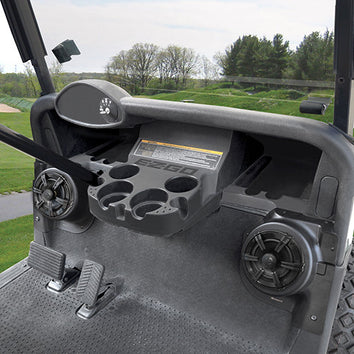
Vendor: Speaker Pod, SET OF 2, Black ABS, E-Z-Go RXV 08+

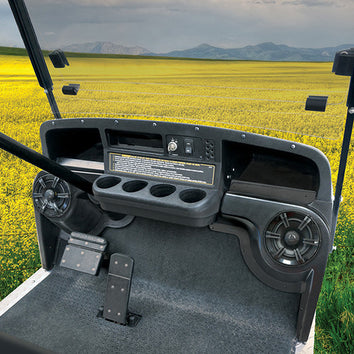
Vendor: Speaker Pod, SET OF 2, Black ABS, E-Z-Go TXT 94+


