


The Ultimate Guide to Golf Cart Controllers
What Is a Golf Cart Controller — and Why Does It Matter?
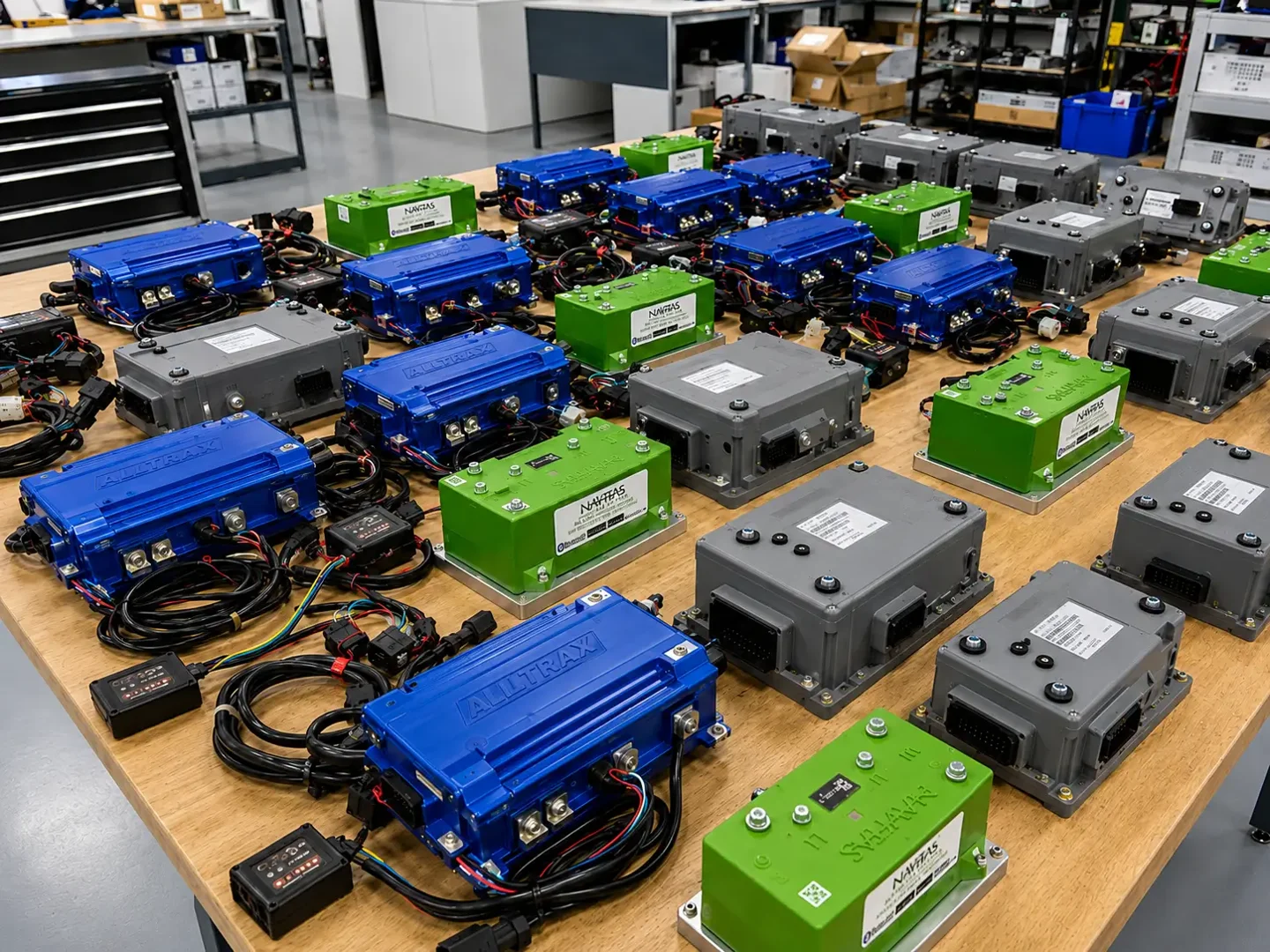
A golf cart controller is the brain of your cart's electrical system. It sits between the batteries and the motor, managing exactly how much power flows through at any given moment.
Quick answer: Here's what a golf cart controller does and why it matters:
| Function | What It Means for You |
|---|---|
| Speed regulation | Controls how fast the cart accelerates and runs |
| Torque delivery | Manages pulling power for hills and heavy loads |
| Current limiting | Protects the motor and batteries from damage |
| Braking control | Handles reverse and regenerative braking |
| Thermal protection | Cuts back power before components overheat |
Think of it this way: your batteries store the energy, your motor uses it — but the controller decides how and when it gets there.
When a factory controller starts to fail, you'll notice it. The cart hesitates, loses power on hills, surges unexpectedly, or stops responding cleanly to the throttle. And when you upgrade to a high-performance controller, the difference in throttle response and torque is immediate.
This guide covers everything — from understanding your drive system and choosing the right amp rating, to comparing top brands like Navitas and Alltrax, and pairing your controller with the right batteries, solenoids, and motor.
I'm Martin Davis, owner of Extreme Kartz, and since 2022 I've worked directly with manufacturers and technicians to help cart owners find the right golf cart controller for their specific setup — whether they're upgrading a Club Car DS for the neighborhood or building a high-torque off-road machine. If you want straight answers without the sales pressure, you're in the right place.
Understanding the Role of a Golf Cart Controller
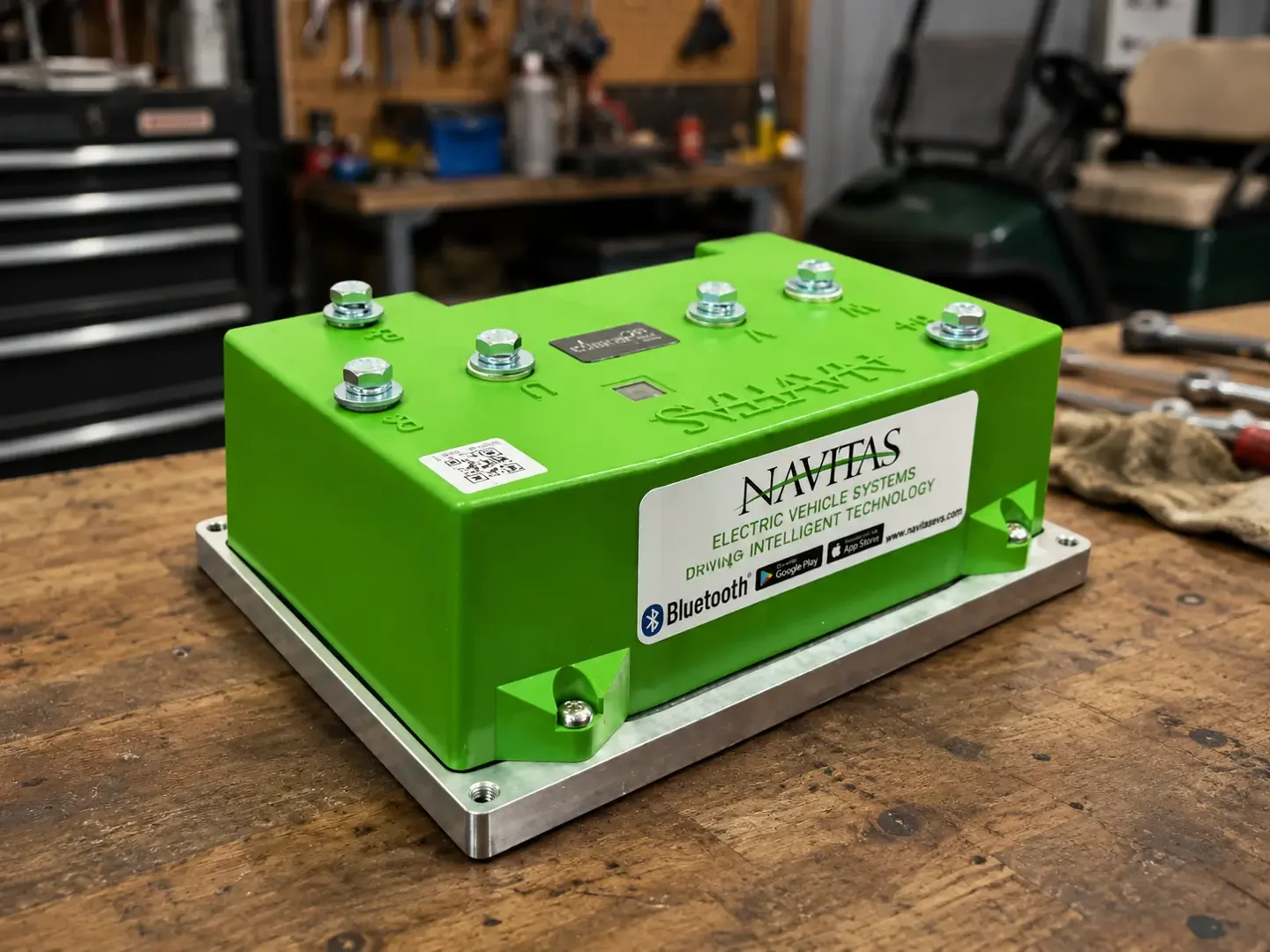
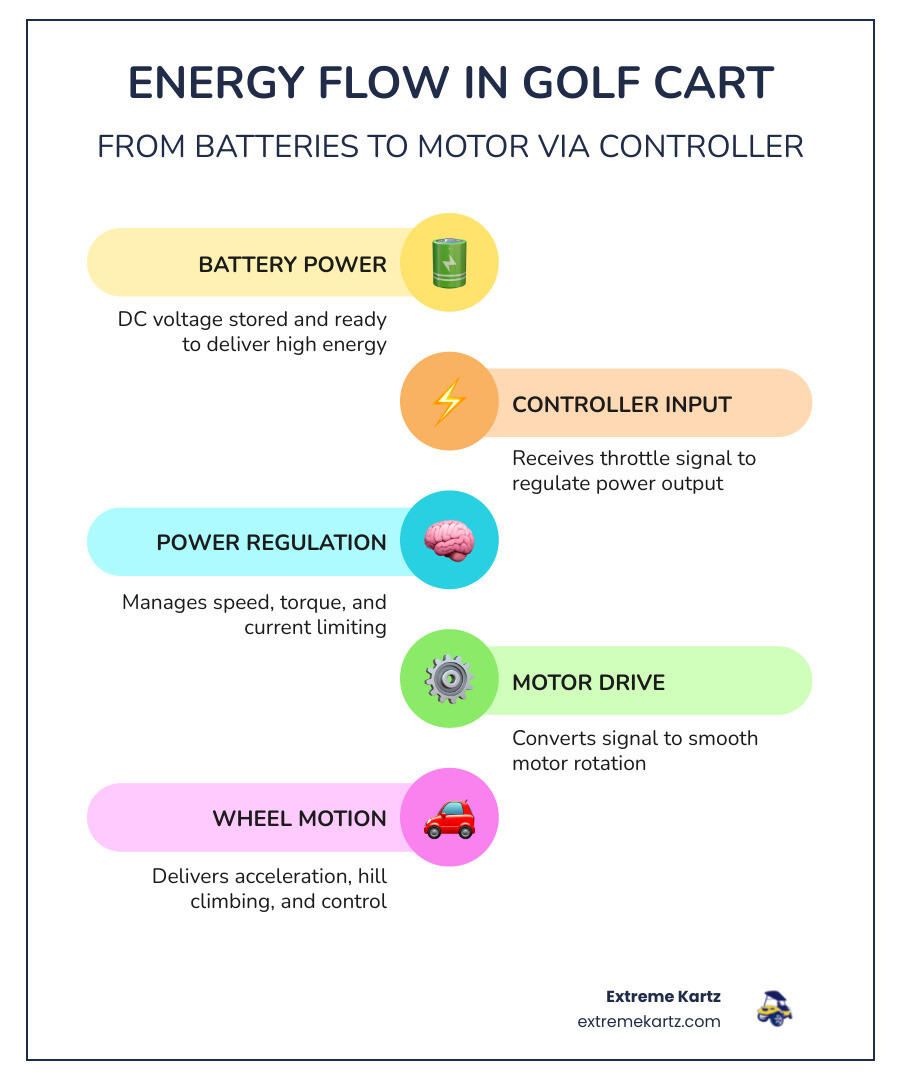
As we’ve established, the golf cart controller is the electrical brain of your vehicle. Its primary job is to take the DC voltage from your battery pack and convert it into a usable signal for the motor based on how far you press the accelerator pedal. Without a controller, your motor would simply receive a 100% "on" or "off" signal, making the cart impossible to drive safely or smoothly.
Modern controllers do much more than just regulate speed. They manage throttle response to ensure you don't jerk your passengers' necks when you start moving. They also provide voltage regulation and current limiting, which are essential safety features. By monitoring the electrical flow, the controller prevents the motor from drawing too much current, which could melt wires or damage the battery internal cells.
For those looking to dive deeper into how these components function, we have put together more info about speed controller basics to help you master the fundamentals.
Why Upgrade Your Factory Controller?
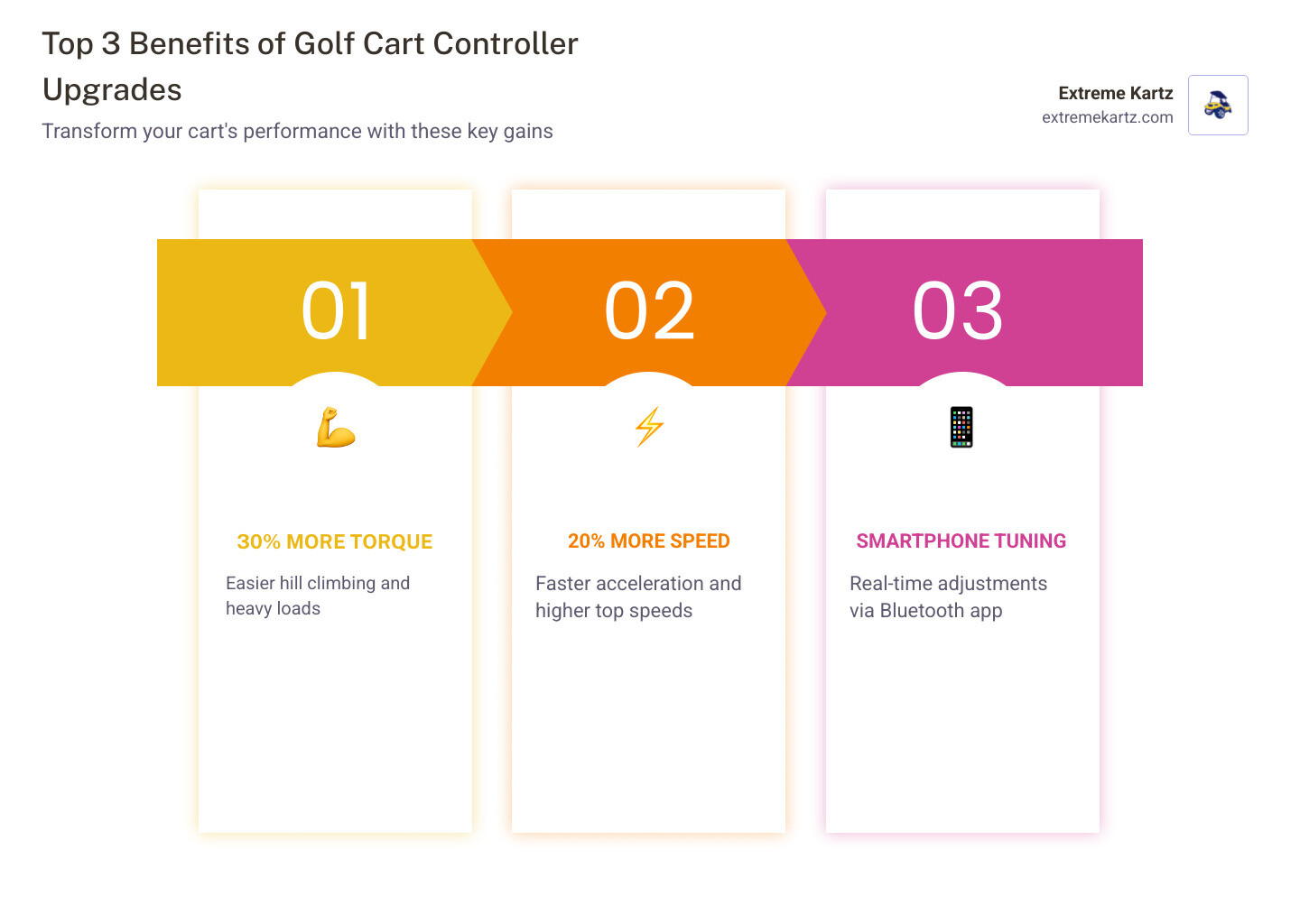
Most factory controllers are designed for flat golf courses and a maximum speed of about 12–14 MPH. If you use your cart for anything else, you’ll likely find the stock unit lacking. Upgrading to a high-performance golf cart controller offers several key benefits:
- Torque Increase: A higher amp rating allows more "grunt" to reach the motor, which is vital for climbing hills or carrying four adults.
- Speed Gains: While the motor ultimately determines top speed, a programmable controller can unlock the RPM limits set by the factory.
- Heavy Loads: If you’ve added a rear seat or a cargo bed, your cart is working harder. An upgraded controller handles this increased demand without overheating.
- Thermal Protection: Aftermarket units often feature superior heat sinks and internal sensors that prevent the "limp mode" or total failure common in stock units during summer months.
Identifying Your Drive System: Series vs. Sepex
Before you buy a new golf cart controller, you must know what kind of drive system you have. This is the most common mistake we see!
- Series Drive: These are the "workhorses." They are great for torque and off-road use. You can usually identify them by a large mechanical lever for Forward/Reverse.
- Sepex (Shunt) Drive: These use "Separately Excited" motors. They are generally faster and more efficient for street use. You’ll know you have a Sepex cart if there is a "Run/Tow" toggle switch under the seat and a rocker switch (button) for Forward/Reverse on the dash.
Getting this right is critical for compatibility. For a visual guide on where to find these components, check out our detailed identification of cart drive types.
AC vs. DC Controllers: Navigating the Conversion
When it's time for an upgrade, you’ll face a big decision: stay with a DC system or convert to AC.
DC (Direct Current) is what most older carts use. Upgrading a DC controller is often a "plug-and-play" affair. It’s cost-effective and provides a significant boost in power using your existing motor. You can browse aftermarket DC controllers to see the wide variety of replacements available for Curtis or Moric factory units.
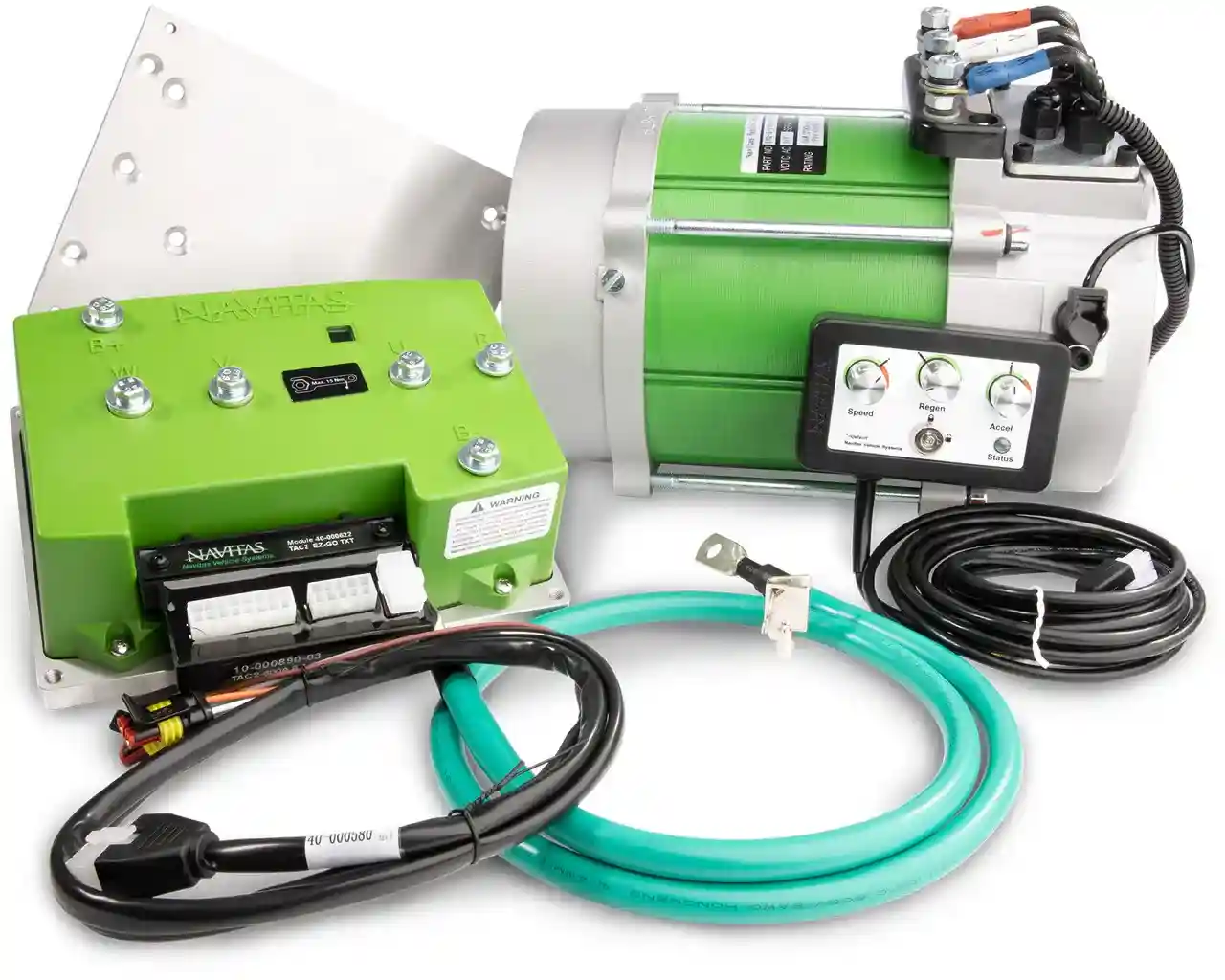
AC (Alternating Current) is the modern standard found in high-end carts like the EZGO RXV. An AC conversion requires both a new golf cart controller and a new brushless motor. While more expensive upfront, the performance gains are staggering.
Benefits of AC Drive Systems
Why are so many owners choosing the AC route?
- Higher RPM: AC motors can spin much faster than DC motors, often pushing carts to 30+ MPH with ease.
- Lower Heat: Brushless technology is incredibly efficient, meaning less energy is wasted as heat.
- Extended Range: Because they are more efficient, you can often get more miles out of a single battery charge.
- Maintenance Reduction: No brushes to wear out means one less thing to fix.
If you are considering this jump, our Navitas AC conversion guide breaks down the installation process, and we’ve even tackled the big question: is an AC conversion worth it? for the average user.
Maintaining DC Performance
Don't count DC out just yet. For many Club Car DS or EZGO TXT owners, a high-torque Series upgrade is exactly what they need for farm work or steep driveways. High-output DC controllers from brands like Alltrax offer incredible "field mapping" capabilities that allow you to tune your existing motor for maximum efficiency.
Choosing the Right Golf Cart Controller for Your Model
Selecting the right controller is a balance of amperage and voltage. As of May 2026, most performance kits fall into three categories:
| Amp Rating | Best Use Case | Recommended Pairings |
|---|---|---|
| 400 Amp | Street cruising, light hills, stock tires | Stock motor, 4AWG cables |
| 500 Amp | Lifted carts, rear seats, moderate hills | Upgraded motor, 2AWG cables |
| 600 Amp+ | Extreme off-road, hunting, high-speed AC | High-performance motor, Lithium batteries |
For a deeper dive into which brand fits your specific vehicle, see our golf cart controller comparison guide.
Advanced Features in a Modern Golf Cart Controller
We’ve come a long way from the days of "set it and forget it" electronics. Today’s controllers, especially from Navitas and Alltrax, offer:
- Bluetooth Integration: Use your smartphone to view live data like battery voltage, motor temperature, and RPM.
- On-The-Fly (OTF) Programming: A physical knob on your dash that lets you adjust top speed or regenerative braking strength while you’re driving.
- User Profiles: Create a "Valet Mode" to limit speed when the grandkids are driving, then switch back to "Sport Mode" for yourself.
- Real-Time Diagnostics: No more guessing why the cart stopped; the app will tell you exactly which sensor or connection is at fault.
Model-Specific Fitment Considerations
Compatibility is our obsession at Extreme Kartz. A controller for a Club Car Precedent IQ will not work on an EZGO TXT48 without a specific adapter harness.
- Club Car: Look for controllers compatible with the IQ, Excel, or V-Glide systems.
- EZGO: The RXV requires a specialized AC controller, while the TXT can be upgraded with various DC or AC kits. We offer specific EZGO speed upgrade solutions to make this process easier.
- Yamaha: Newer Drive and Drive2 models often require specific 19-pin or 24-pin connectors.
Essential Complementary Upgrades for Peak Performance
Installing a 600-amp golf cart controller and keeping your factory 6-gauge wires is like trying to push a gallon of water through a coffee straw. It just doesn't work. To get the most out of your investment, you need to upgrade the "supporting cast."
The Impact of Lithium Battery Integration
By May 2026, lithium has become the gold standard for performance carts. Traditional lead-acid batteries suffer from "voltage sag"—when you hit the pedal, the voltage drops, and so does your power. Lithium batteries maintain a steady voltage throughout the entire discharge cycle.
When you pair a high-output controller with lithium, you’ll notice significantly better hill-climbing and acceleration. Plus, you’ll shed about 300 lbs of weight. For more details, read about the best lithium batteries for performance controllers.
Wiring and Solenoid Requirements
- Heavy-Gauge Cables: We recommend at least 4AWG for 400A controllers and 2AWG for anything higher. This reduces resistance and heat.
- High-Amp Solenoids: Your solenoid is the heavy-duty switch that handles the main power. A stock solenoid will eventually weld itself shut if forced to handle 500+ amps.
- Safety Fuses: Always ensure your system is fused correctly to prevent a catastrophic short circuit.
For a complete checklist, our Club Car performance upgrades guide and our six tips to boost performance are excellent resources.
Troubleshooting and Maintenance
Even the best golf cart controller can run into issues if the surrounding environment isn't right.
- Reset Procedures: Sometimes a simple "reboot" (disconnecting the battery for 10 minutes) can clear a logic error.
- Voltage Drop: If your cart dies under load, use a multimeter to check the voltage at the controller’s B+ and B- terminals. If it drops significantly, your batteries are likely the culprit, not the controller.
- Error Codes: Modern units will flash a light pattern or send a code to your phone. Common codes include "High Pedal Disable" (you pressed the pedal before turning the key) or "Over-Temperature."
If you’re stuck, our golf cart controller troubleshooting guide walk you through the most common fixes step-by-step.
Frequently Asked Questions about Golf Cart Controllers
Will a new controller increase my top speed?
By itself, a DC controller usually provides a modest increase (2–4 MPH) by allowing the motor to reach its full potential. However, the real gain is in acceleration and torque. If you want a massive speed boost (25+ MPH), you typically need an AC conversion or a high-speed rated motor.
How do I know if my current controller is failing?
Watch for "the stutters." If your cart jerks while accelerating, loses all power on hills but works on flats, or smells like burning electronics, the controller is likely failing. If the cart doesn't move at all but you hear the solenoid "click," the controller is a prime suspect.
Can I use a 48V controller on a 36V battery system?
Many aftermarket controllers (like those from Alltrax and Navitas) are "multi-voltage," meaning they can run on 36V or 48V. However, you must program the controller to match your current battery pack voltage. Running a 36V-only controller on 48V will result in immediate internal damage.
Conclusion
Upgrading your golf cart controller is the single most effective way to transform a sluggish cart into a performance machine. Whether you are looking for the "on-the-fly" adjustability of a Navitas kit or the bulletproof reliability of an Alltrax unit, the key is ensuring compatibility with your specific model and drive system.
At Extreme Kartz, we focus on complete performance solutions, not just individual parts. The goal is simple: help you build a golf cart that delivers the speed, torque, and drivability you actually want. If you're ready to stop guessing and start upgrading, you can shop the golf cart controller collection or contact our team for personalized fitment guidance.
Related Products

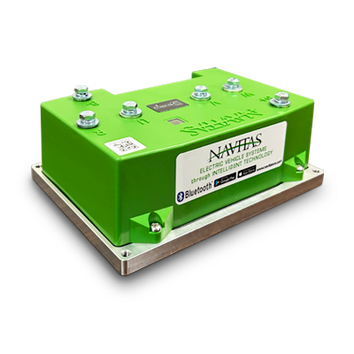
Vendor: EZGO RXV Navitas Controller Kit - 600 amp or 440 amp


Vendor: Navitas 440-Amp 36/48 Volt Series Controller Kit E-Z-GO

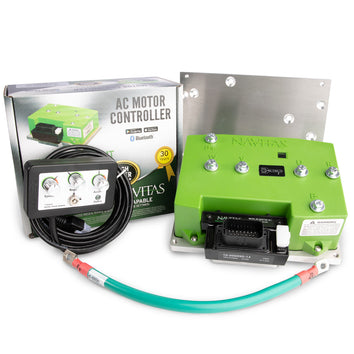
Vendor: Icon / Advanced EV Navitas TAC2 Controller Kit - 600 amp or 440 amp - for NEOS controller replacements

Vendor: Navitas TAC2 600 A E-Z-GO L6/S4 72 V Control W/ Module


