


Golf Cart Speed Controllers. A basic understanding of Controllers
 At Extreme Kartz, we get this question all the time: “What exactly does a golf cart speed controller do?”. If the motor is your golf cart’s muscle, then the speed controller is its heart. It decides how much power to send to the motor by determining how fast you go, how smoothly you accelerate, and how efficiently your batteries are used.
Modern electric golf carts rely on controllers more than ever. Whether you’re cruising the neighborhood, climbing hills, or building a custom EV project, understanding how your speed controller works is essential for safety, performance, and longevity.
What Is a Golf Cart Speed Controller?
A golf cart speed controller is the device that manages how electricity flows from your battery pack to your motor. Think of it as a translator — converting your pedal pressure or throttle input into electrical signals the motor can understand.
Without it, a DC motor would just go full throttle the moment you press the pedal, putting huge stress on your drivetrain and battery system. In newer AC and brushless DC systems, the cart wouldn’t even move. These motors require carefully timed electrical signals that only a controller can generate.

Why the Speed Controller Matters
The controller doesn’t just control speed; it’s the key to a smooth, responsive, and safe driving experience. Here’s what happens when it’s missing or misconfigured:
-
Instant full power: Without a controller, applying throttle dumps full battery voltage into the motor. That means jerky acceleration, burned components, and a shortened motor life.
-
No safety buffer: The controller limits current to protect your batteries and wiring from overheating.
-
No speed control: In AC systems, the motor simply won’t function without the controller converting DC into properly timed AC waveforms.
In short, it’s not just a performance tool. It’s your vehicle’s protection system.
How a Golf Cart Speed Controller Works
When you press the accelerator, the controller receives an input signal (usually voltage from the throttle sensor). It then sends out pulsed power to the motor, modulating how much voltage and current flow based on your input.
This process, called Pulse Width Modulation (PWM), allows the controller to smoothly adjust power delivery rather than simply turning it “on” or “off.”
-
At low speeds, the controller sends short power bursts.
At full speed, it sends nearly continuous current. In AC or brushless systems, the controller must also reverse and time the current signals to spin the motor correctly. These signals must match motor rotation precisely, which is why these systems often include sensors or encoders for feedback.
Basic Functions Every Controller Should Have
A good speed controller isn’t just about moving forward; it’s a sophisticated protection and control system.
1. Motor Current Limiting: Prevents excessive current draw that could burn out windings or overheat the motor during heavy loads or stalls.
2. Battery Current Limiting: Protects batteries from over-discharge and prolongs their lifespan by limiting maximum output current.
3. Thermal Protection: Monitors internal temperature and reduces power or shuts down if overheating occurs.
4. Acceleration Control: Allows smoother take-offs and protects the drivetrain from sudden torque shocks.
5. Throttle Mapping: Adjusts the pedal sensitivity that's ideal for fine control at low speeds and consistent response at cruising speeds.
For AC systems, additional capabilities may include field weakening (for higher top speed) and sensor calibration (for precise motor timing).
Beyond the Basics: Programmability and Customization
Modern controllers are highly programmable. It's allowing owners and technicians to fine-tune performance.
Some can be connected via a handheld programmer or computer software to adjust:
-
Acceleration curves
-
Speed limits
-
Throttle response
-
Regen braking levels
This level of control lets DIYers and builders customize their driving experience, but it also carries responsibility. Incorrect settings can lead to poor performance or unsafe operation.
At Extreme Kartz, we’ve seen everything from over-amped buggies that shoot forward uncontrollably to carts that barely move after an improper tune. The rule of thumb: adjust carefully and always match settings to your motor and battery specs.
Choosing the Right Speed Controller
1. Match Your Motor Type
Different motors require specific controllers:
-
Series Wound DC → Simple, robust controllers.
-
Separately Excited (SepEx) DC → Advanced regenerative braking support.
-
AC Induction / Brushless DC → Require controllers that generate multiple synchronized AC waveforms.
2. Match Your Battery Voltage
Most golf carts run on 36V, 48V, or 72V systems. Your controller must match or exceed the voltage rating of your pack.
3. Choose Based on Load & Terrain
A small, lightweight cart on flat ground may do fine with a 200–300 amp controller, while a lifted cart or utility vehicle carrying heavy loads may need 400–600 amps or higher.
4. Factor in Driving Style
If you often drive on hills, carry passengers, or tow equipment, prioritize controllers with:
-
Higher amp capacity
-
Built-in thermal protection
-
Efficient cooling systems
If you want to know which controller is perfect for your golf cart, learn more here: Golf Cart Controller Comparison — Club Car, EZGO, and Yamaha Upgrades Explained.
Power Ratings: Understanding Amperage and Voltage
When choosing or upgrading a golf cart speed controller, two key electrical parameters define performance: amperage (current capacity) and voltage (system potential). These determine how your cart accelerates, how much load it can handle, and how efficiently it uses energy.
Amperage: The Measure of Torque and Load Capacity
Your controller’s amp rating represents how much electrical current it can safely deliver to the motor. Current is what drives torque. The twisting force that gets your cart moving, especially when climbing hills or carrying passengers.
-
Higher amperage controllers (e.g., 400A–600A) can supply more current, allowing the motor to produce more torque. This translates to stronger takeoffs, better hill-climbing ability, and improved hauling performance. However, higher amps also draw more power from the battery, which can shorten runtime if not paired with a suitably sized pack.
-
Lower amperage controllers (e.g., 200A–300A) limit the current flow, resulting in smoother acceleration and less strain on both the motor and battery. These are ideal for light-duty carts that primarily run on flat terrain or within neighborhoods and golf courses.
Typical golf cart use cases:
-
200–300A: Standard use on smooth, flat terrain — ideal for stock carts or neighborhood cruisers.
-
300–600A: Enhanced performance for multi-passenger carts, lifted setups, or mild off-road use.
-
600A and above: Heavy-duty or custom-built performance carts requiring maximum torque output and responsiveness.
Voltage: The Measure of Speed and Efficiency
While amperage dictates how hard the cart can pull, voltage determines how fast it can go.
A higher voltage system allows the motor to spin faster and operate more efficiently under load — assuming the motor and controller are rated to handle the increased voltage.
-
Upgrading from 36V to 48V can yield noticeable gains in both speed and overall efficiency. You’ll experience better throttle response and higher top-end speed with less heat buildup during sustained driving.
-
However, mismatched components (e.g., a 36V motor running on 48V) can lead to overheating, premature wear, or controller failure. Every upgrade should be part of a properly matched system. The motor, controller, solenoid, and battery pack must all share compatible voltage ratings.
Pro Tip: Before considering a voltage upgrade, assess your motor’s specifications, cable gauge, and cooling setup. A controller designed for 48V operation won’t safely regulate a 36V motor unless the entire system is upgraded together.
Troubleshooting Common Controller Problems
If your cart suddenly stops working or acts erratically, the controller may be signaling distress. Here are common scenarios:
|
Symptom |
Possible Cause |
Solution |
|
Cart won’t move |
Blown fuse or failed solenoid |
Inspect connections and replace damaged components |
|
Jerky acceleration |
Faulty throttle input or poor calibration |
Recalibrate throttle or check sensor voltage |
|
Controller overheating |
Continuous high current draw |
Reduce load or upgrade cooling system |
|
Reduced top speed |
Battery voltage drop or low power setting |
Test batteries and verify controller configuration |
If you're planning to troubleshoot your golf cart’s controller, it helps to know where it's located. Check out this guide to find your controller based on your cart’s brand: Golf Cart Controller Location Detective — EZGO, Yamaha, and Club Car Locations Revealed
Application Examples: Matching Controllers to Carts
|
Cart Type |
Example Use |
Suggested Specs |
|
2-Seater Standard Cart |
Flat courses, light use |
200–300A, 36–48V |
|
Utility Cart |
Heavy loads, rough terrain |
400–600A, 48V |
|
Custom Lifted Cart |
Off-road or racing |
600A+, 48–72V |
|
Industrial / Fleet Cart |
Continuous operation |
Programmable AC controller, thermal monitoring |
Understanding how the controller fits your application ensures reliability and performance. It’s the key to avoiding expensive replacements later.
From the Workshop: Extreme Kartz Insights
Over the years, we’ve helped hundreds of owners diagnose and replace their controllers. One of the most common issues we see isn’t failure, it’s a mismatch.
For example, someone installs a high-amp controller on a weak motor expecting instant speed gains, only to overheat the motor within minutes. Or they run a 48V controller on a 36V battery pack, wondering why the cart feels sluggish.
The takeaway? A perfectly tuned setup is about balance. The voltage, amperage, and motor compatibility work in harmony.
Conclusion: Why the Controller Is the Heart of the Cart
The speed controller isn’t just another electrical part. t’s the central nervous system of your golf cart. It determines performance, protects your batteries, and shapes your driving experience.
At Extreme Kartz, we believe understanding your cart’s controller gives you confidence whether you’re troubleshooting, upgrading, or building something custom from the ground up.
Ready to upgrade or replace your controller?
Browse the full range of our golf cart speed controllers featuring trusted brands, clear voltage ratings, and models suited for Club Car, EZGO, Yamaha, and custom builds.
With the right controller and setup, your cart won’t just move. It’ll drive exactly the way it’s meant to.
FAQs
Lithium:No. Controllers must match motor type, voltage, and wiring harness. A 48V AC controller won’t run a 36V DC motor, and vice versa. Always confirm compatibility before purchasing replacements or upgrades — even within the same brand.
Related Products

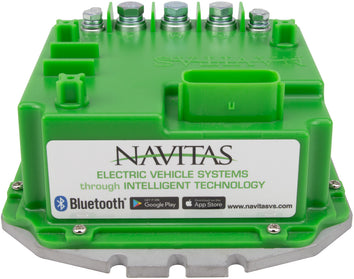
Vendor: EZGO TXT Navitas Controller Kit - 600 amp or 440 amp

Vendor: ALLTRAX 48 VOLT 300 AMP Club Car IQ/Precedent/Excel

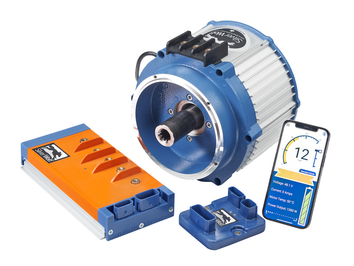
Vendor: TEEKON 9kW AC Conversion Kit for Club Car Precedent, DS & Onward | 840A Controller | FREE Heavy-Duty Solenoid Included


