


10 EZGO Performance Mods That Actually Work
Why Most EZGO Owners Upgrade — and Where to Start
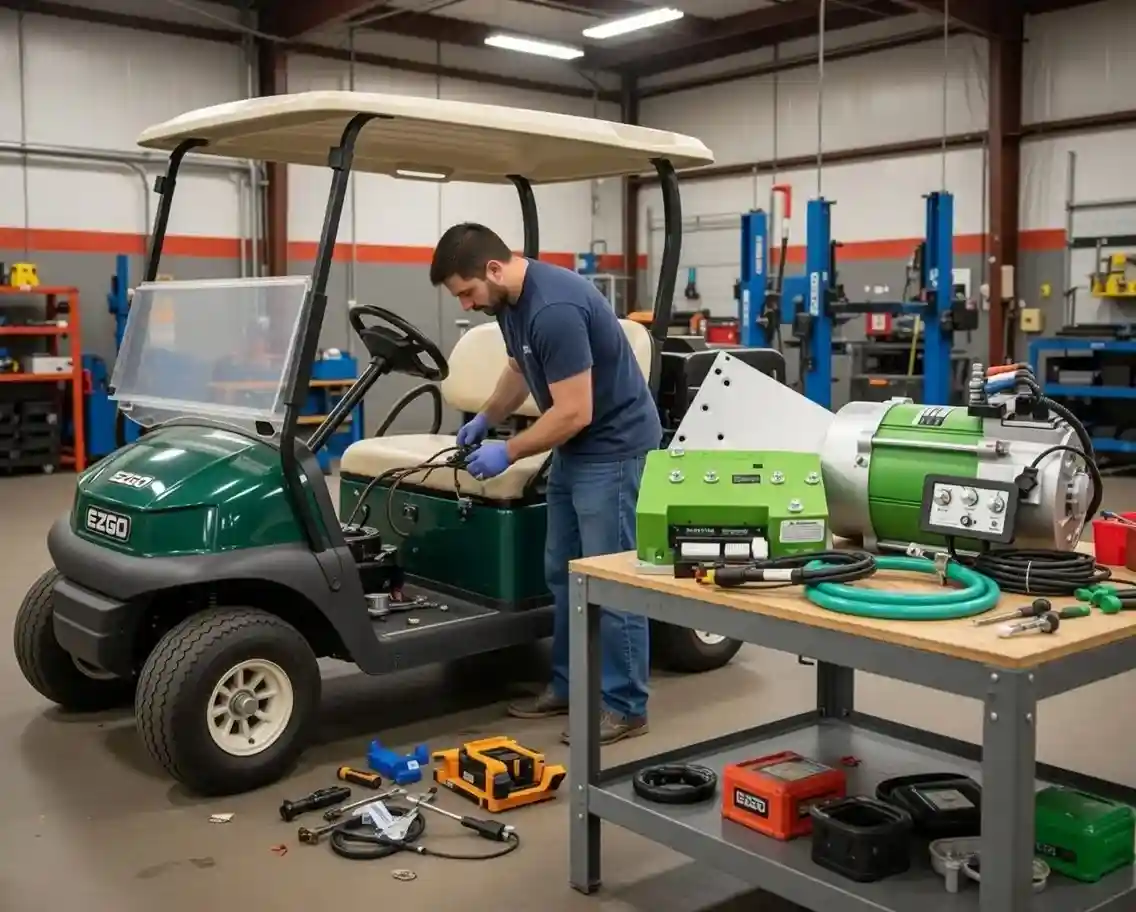
EZGO golf cart performance upgrades can transform a slow, stock cart into something that handles hills, hauls loads, and actually keeps up with how you use it. Whether you ride a TXT, an RXV, or an older Marathon, there's a proven upgrade path for your specific setup.
Here are the 10 EZGO performance mods that actually work:
- High-amp controller upgrade — faster acceleration, more torque (440–600 amp)
- DC motor upgrade — budget-friendly speed or torque gains (4–21+ MPH)
- AC conversion kit — biggest all-around improvement (up to 40+ MPH on 72V)
- Lithium battery upgrade — better voltage stability, longer range, lighter weight
- Heavy-duty solenoid and 2-gauge cables — reliability under high-amp load
- On-the-fly programmer — tune speed, regen braking, and acceleration via app
- Tire and wheel changes — affect final drive speed and hill performance
- Gear set upgrade — better torque for utility, cargo, or steep climbs
- Limited-slip differential — improved traction on hills and off-road terrain
- Model-specific performance tuning — optimized throttle response for older carts
The right upgrade depends on your cart model, drive system, voltage, and how you use it. Skipping that step is the most common reason upgrades underperform — or fail entirely.
I'm Martin Davis, owner of Extreme Kartz, and I've spent years helping cart owners navigate EZGO golf cart performance upgrades across every model year and drive system — from simple motor swaps to full AC conversions. Below, I'll walk you through every mod worth doing, with the specs and compatibility details you need to get it right the first time.
1. Start With the Right Cart Identification Before Any Performance Mod
Before we talk speed, we need to talk identity. EZGO carts can look similar while using very different drive systems. TXT, RXV, Marathon, and Medalist names help, but they do not tell the whole story. For performance parts, the critical details are:
- Model year
- Cart family: TXT, RXV, Marathon, Medalist
- Voltage: 36V, 48V, or converted voltage
- Drive system: Series, PDS, DCS, or Regen
- Throttle setup
- Tire size
- Whether the cart is lifted
- Whether it carries a rear seat or cargo box
- Whether it lives on flat ground or steep hills
How to identify Series vs PDS/DCS/Regen systems correctly
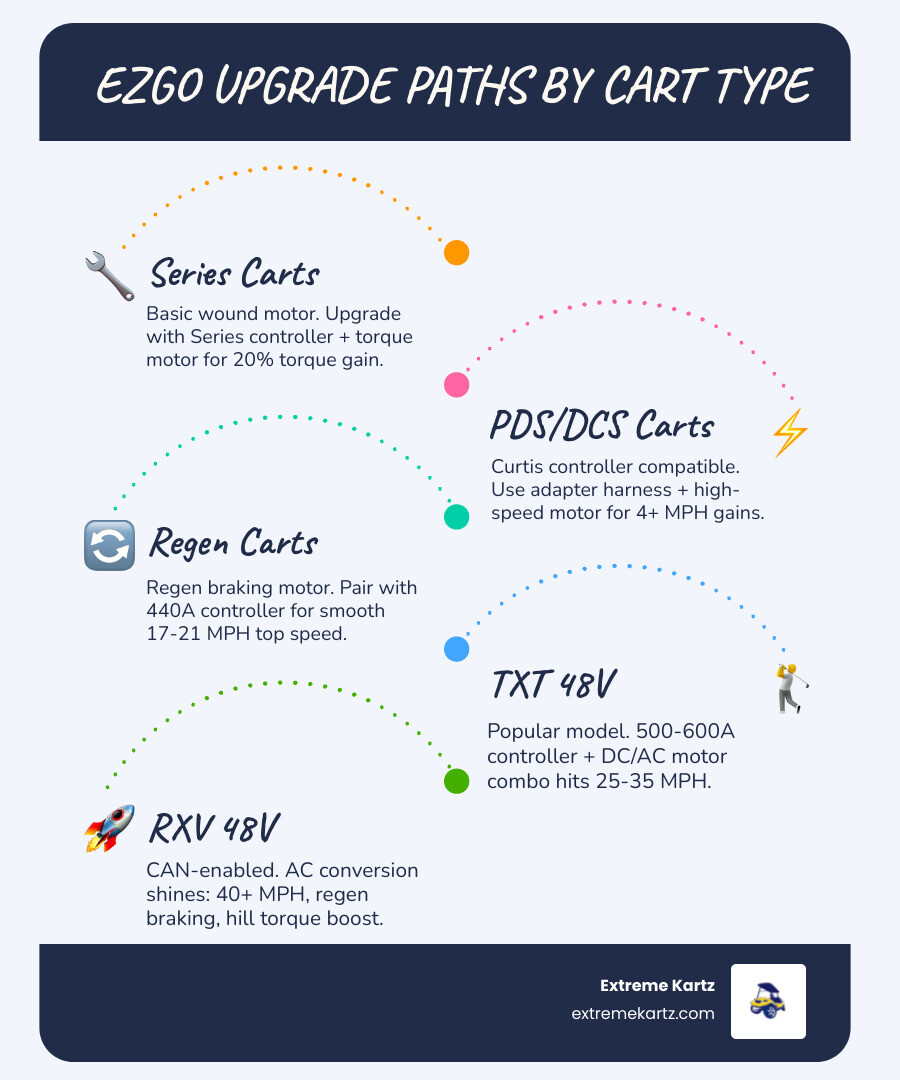
Identifying your drive system is the first step. Series carts are the older, simpler DC setup, while PDS and DCS are regenerative DC systems. Regen carts typically include features and wiring not found on Series systems, and RXV carts require model-specific solutions.
Some practical clues help:
- A run-tow or run-maintenance switch often points toward a Regen-style system, not a true Series cart
- A speed sensor on the motor is another common Regen clue
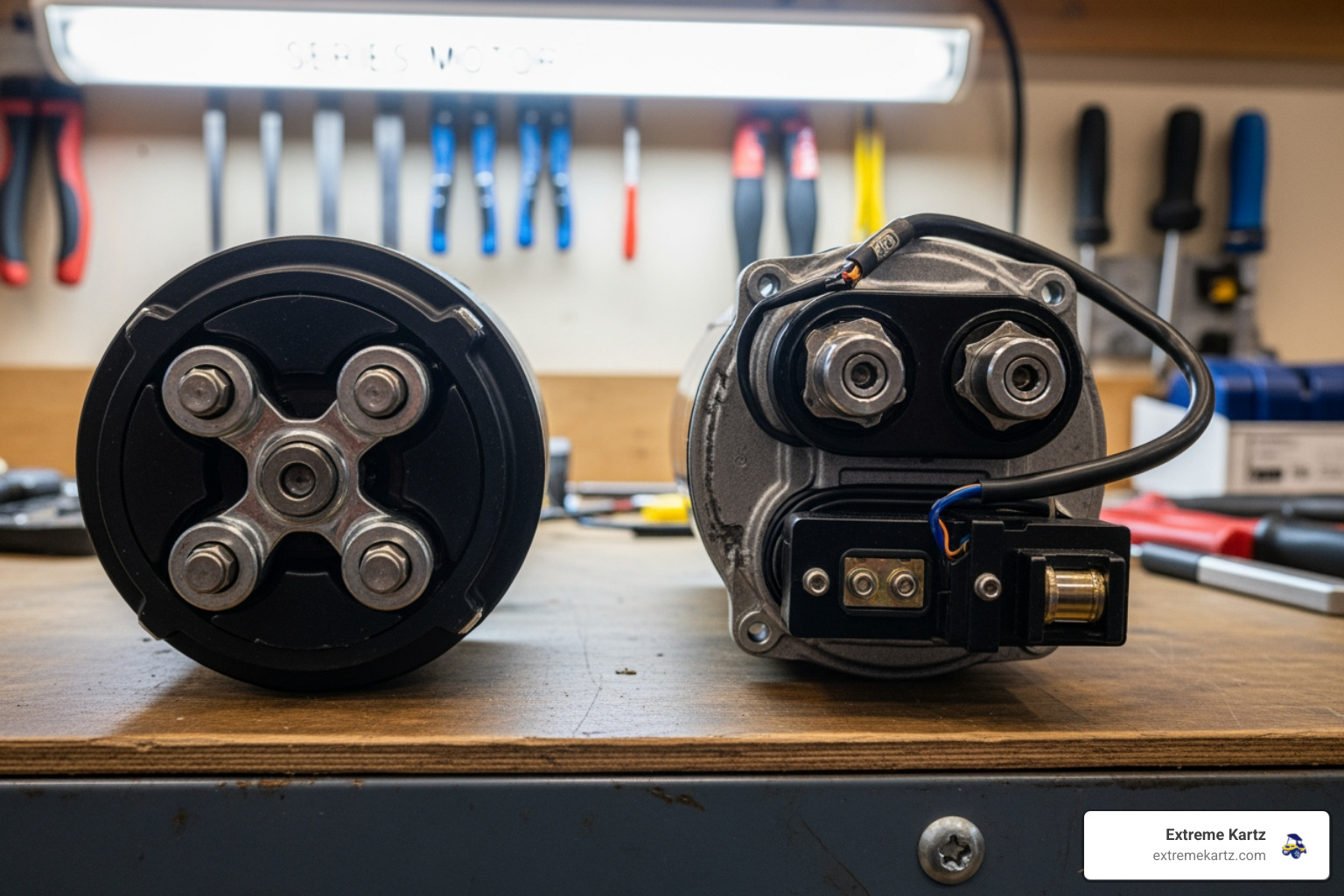
- Series motors usually have four same-size main terminals
- Regen motors often use two larger and two smaller terminal studs
That is why we always recommend identifying the cart by more than one method before ordering parts.
Why ezgo golf cart performance upgrades fail when fitment is guessed
Most failed upgrades are not caused by the part being "bad." They fail because the system was mismatched. Common examples include:
- Wrong controller for PDS vs DCS
- Wrong harness adapter
- Wrong spline count on the motor
- Stock solenoid left in place with a high-amp controller
- Cables too small for the new current load
- Speed claims based on stock tires when the cart runs oversized tires
- A high-speed setup installed on a lifted cart with a rear seat and hill use
In other words, guessing fitment is the golf cart version of assembling furniture without reading the instructions. Sometimes you get lucky. Usually you get spare bolts and regret.
2. The 10 EZGO Performance Mods That Actually Work
1) High-amp controller upgrades for quicker acceleration and more torque
If we had to pick the best first mod for many electric EZGO carts, it would be the controller. A higher-amp controller increases how much current the motor can use, which improves launch, pull, and hill-climbing.
Typical upgrade levels include:
- 440 amp for mild performance gains and flatter terrain
- 500 amp for strong all-around improvement
- 600 amp for aggressive torque demand, steeper terrain, or AC conversions
Real-world examples from current market data show:
- A 48V RXV AC upgrade with a 600-amp controller can deliver up to 21 MPH and roughly 60% more torque
- 500-amp PDS-style setups can reach around 17 MPH with up to 70% torque increase depending on the motor combination
Modern controllers also add tuning flexibility, especially Bluetooth/app-based systems. That lets us adjust:
- Acceleration curve
- Top speed
- Regen braking behavior
- Directional speed limits
- Range-vs-performance balance
For more on choosing the right amp rating, see More info about controller upgrade options.
2) DC motor upgrades for budget-friendly speed or torque gains
A DC motor upgrade still makes sense when the goal is solid gains without going all the way to AC.
There are two main directions:
- High-speed DC motors
- High-torque DC motors
Examples from current EZGO upgrade data include:
- Certain high-speed DC motors add 4+ MPH on 2000-up models while also improving uphill feel
- A high-speed Regen setup can reach about 20 MPH at 48V
- Some speed-focused DC motors can hit around 21 MPH, but may give up about 15% torque
- Torque-focused motors can provide up to 60% more torque but may limit speed to roughly 12 MPH
High-performance DC motors can go much further when matched with the right controller. For example, certain Sepex/PDS-style motors are rated around 16 HP and can run in the 25 to 31 MPH range on 48V systems in the right build.
One important note: many DC motor speed claims are based on factory gearing and often on lead-acid battery setups. If your cart has oversized tires or a heavy rear seat kit, your actual result may be lower.
3) AC conversion kits for the biggest all-around improvement
If you want the single biggest jump in overall drivability, AC conversion is usually the answer.
Why AC works so well:
- Smoother acceleration
- Better efficiency
- Better thermal behavior
- Strong hill-climbing
- Brushless design, so less wear maintenance
- Better diagnostics and tuning options
- Stronger regen braking on compatible systems
Many EZGO TXT and RXV owners step into AC using a 5KW kit with either a 440-amp or 600-amp controller. Performance depends on voltage and setup, but the available 2026 data is impressive:
- 48V AC systems commonly deliver strong torque and low-20s MPH performance
- 72V AC builds can push into the 40+ MPH range
- Some high-output AC setups are rated around 35 to 40 MPH at 48V and 40 to 45+ MPH at 72V
That is why AC is the best answer for owners who want more than just a little extra speed. It modernizes the whole driving feel. For a deeper breakdown, read More info about AC conversion kits.
4) Lithium battery upgrades that support stronger performance
Lithium does not magically override your controller settings, but it absolutely supports better performance.
Main benefits:
- More stable voltage under load
- Less sag on hills and acceleration
- Major weight reduction
- Longer range
- Faster charging
- Better usable capacity
A common upgrade path is a 48V 105Ah lithium pack or bundle. Compared with lead-acid batteries, lithium helps the cart hold power more consistently, especially when the controller is asking for more current.
That means lithium often improves:
- Acceleration feel
- Mid-range pull
- Runtime
- Recovery between heavy throttle events
It is especially valuable when paired with high-amp controllers or AC conversions. We break that down in More info about lithium performance gains.
5) Heavy-duty solenoids and 2-gauge cables for reliability under load
This is the least glamorous mod on the list and one of the most important.
If you install a hotter controller and leave weak supporting hardware in place, you create heat, voltage drop, and reliability problems. Upgraded systems often need:
- Heavy-duty solenoid
- 2-gauge battery and motor cables
- Proper lugs and clean grounds
- Precharge resistor where required
- Correct diode for solenoid protection
These parts do not make the cart look faster. They make it stay working when the amps go up.
6) On-the-fly programmers and app tuning tools
Programmable systems are one of the best quality-of-life upgrades available. They let us fine-tune the cart for how it is actually used.
Useful tuning options include:
- Speed modes for neighborhood use vs trail use
- Softer or harder acceleration mapping
- Regen strength adjustment
- Reverse speed limits
- Diagnostics and fault tracking
- Range-focused settings for longer rides
For owners who want one cart to do several jobs, this flexibility is hard to beat.
7) Tire and wheel changes that affect final speed and hill performance
Tires change effective gearing. Larger tires can raise top speed a bit by covering more ground per revolution, but they also reduce mechanical advantage.
That means:
- Larger tires can increase final speed
- Larger tires can hurt acceleration and hill climbing
- Low tire pressure can make a cart feel sluggish
- Lifted carts often need more torque than stock
If your cart feels weaker after a wheel-and-tire upgrade, the motor may not be the problem. The final drive ratio changed.
8) Gear sets for utility-focused builds
Gear sets are one of the smartest upgrades for carts that work for a living.
Use them when you want:
- Better hill climbing
- Better pulling power
- Better performance with cargo beds or rear seats
- More control at usable speeds
Torque-oriented gear ratios are great for hunting carts, work carts, and steep property use. Speed gears go the other direction, but they need the right power system to make sense.
9) Limited-slip differential upgrades for traction off-road and on hills
A lot of EZGO carts lose traction because only one rear wheel really does the work in a slippery spot. A limited-slip differential helps distribute power more effectively, improving traction on:
- Loose gravel
- Wet grass
- Trails
- Hills
- Utility terrain
This is not just an off-road mod. It is also practical for carts that climb, tow, or carry weight.
10) Performance tuning upgrades for older EZGO carts
Older EZGO carts often benefit from model-specific tuning rather than one oversized "universal" upgrade. That can mean:
- Matching the controller to an older throttle style
- Using the right adapter for DCS or PDS
- Choosing a motor built for factory gears
- Recalibrating for tire size and use case
For older carts, drivability matters as much as peak speed. A clean, matched system usually beats a random pile of "performance" parts.
3. AC vs DC: Which ezgo golf cart performance upgrades give the best results?
Why AC conversion kits outperform most DC upgrades
AC systems win on total package performance.
Compared with DC, AC typically offers:
- Smoother power delivery
- Less maintenance because there are no brushes
- Cooler operation
- Better efficiency
- Stronger sustained hill performance
- Better tuning and diagnostics
- Better regen behavior on supported platforms
A modern AC kit with a 600-amp controller simply gives us more control and more usable power. On high-output builds, the gap gets large fast, especially when stepping to 72V.
For a TXT-specific look, see More info about AC conversion performance.
When a DC controller and motor combo still makes sense
DC still deserves a place in the conversation.
It makes sense when:
- Budget is tighter
- The cart is used for moderate speeds
- You want a simpler install
- You are upgrading an older Series cart
- You need a work-cart torque setup rather than max speed
- You want to keep closer to the factory electrical style
A good DC combo can be a big improvement over stock without the higher cost of AC.
Expected speed and torque gains by setup
Here is the simple version:
| Setup | Typical Result |
|---|---|
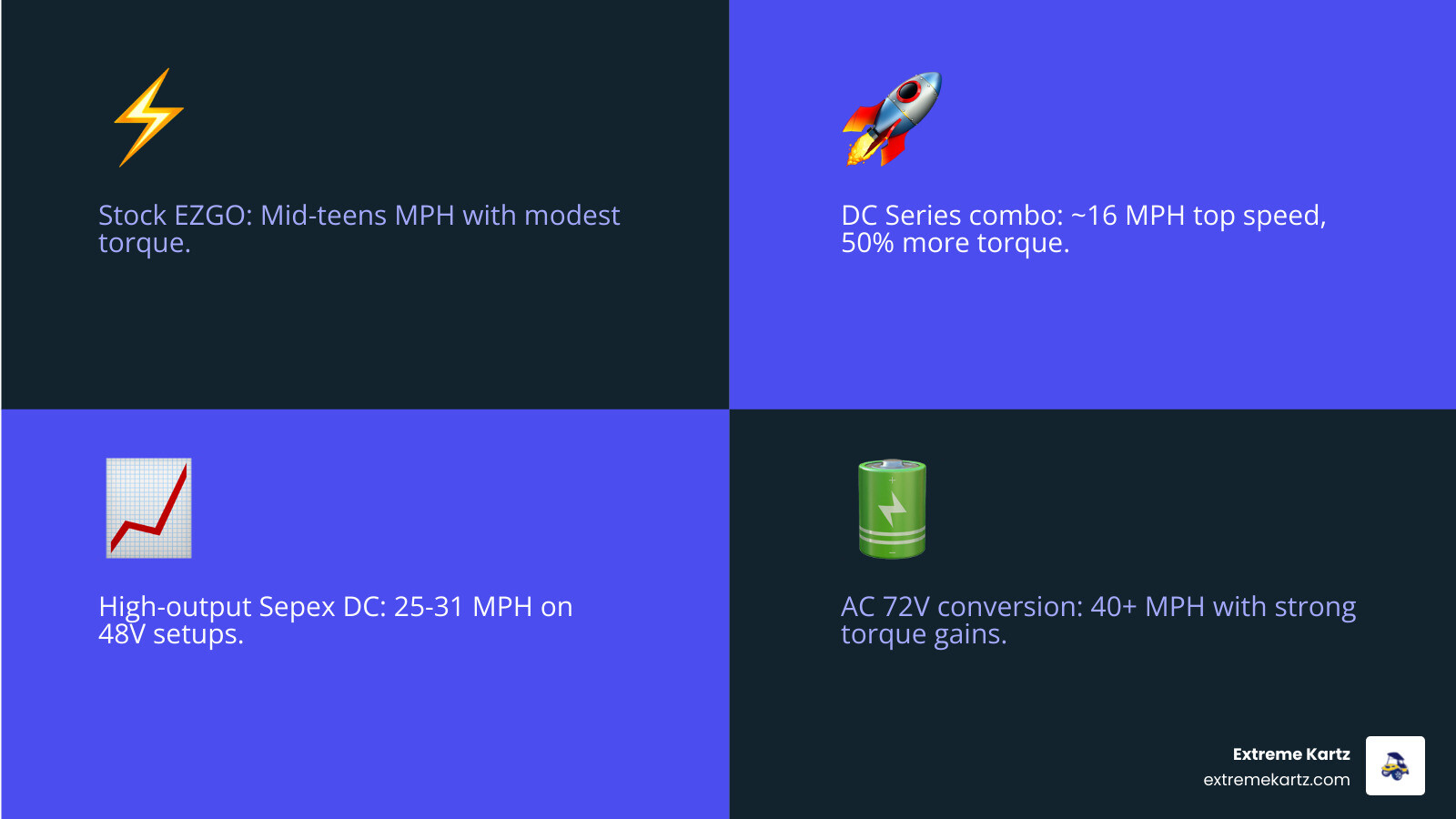
| Stock EZGO | Usually mid-teens MPH, modest torque |
| Series motor/controller combo | Around 16 MPH, about 50% more torque |
| Regen high-speed combo | Around 20 MPH, about 20% more torque |
| PDS all-terrain combo | Up to 17 MPH, up to 70% torque increase |
| High-speed DC motor only | 4+ MPH gain on some PDS setups |
| High-output Sepex DC build | 25-31 MPH in the right 48V setup |
| AC conversion 48V | Strong torque, low-20s MPH common |
| AC conversion 72V | Up to 40+ MPH possible |
4. Best Upgrade Paths by EZGO Drive System and Terrain
Best ezgo golf cart performance upgrades for Series carts
Series carts respond well to complete motor-and-controller packages. These are especially useful for:
- Pulling
- Hunting
- Farming
- Rear seat or cargo builds
- Mild to frequent hill use
A well-matched Series combo can produce about 50% more torque and around 16 MPH, depending on tire size and setup. Key fitment details include:
- Correct 19-tooth spline
- Correct voltage
- Correct wiring and solenoid package
- No assumption that it fits Regen carts
Best upgrade path for PDS, DCS, and Regen carts
PDS and DCS carts need more careful fitment because controllers, adapters, and harnesses vary. Good upgrade paths include:
- High-speed motor-only upgrade for a simple bump
- High-torque motor/controller combo for hills and all-terrain use
- 36V to 48V upgrade path where supported
- Full AC conversion for maximum improvement
These carts often use Curtis-compatible setups, and some require a specific adapter harness. If the cart has a run-tow switch, that is another clue you are in the Regen family and should order accordingly.
Best controller and motor combinations for EZGO TXT and RXV
For TXT 48V carts, popular upgrade paths usually center around 440-amp or 600-amp controller systems, especially for AC conversions.
For RXV 48V carts, AC systems are especially attractive because they combine stronger torque with better tuning. Available 2026 data shows a 600-amp RXV AC setup reaching up to 21 MPH with roughly 60% more torque.
CAN-enabled systems are valuable on newer carts because they improve programming and diagnostics.
For more detail on TXT and RXV fitment, see More info about TXT and RXV upgrade paths.
What to choose for hills vs flat ground
If you drive mostly flat pavement:
- A speed motor
- Moderate controller upgrade
- Slightly taller tire if desired
- Programmer for speed modes
If you drive hills, carry passengers, or run a rear seat kit:
- Higher-amp controller
- Torque motor or AC conversion
- Heavy-duty solenoid and cables
- Lithium for voltage stability
- Torque gears if the cart is a utility build
For steep terrain, torque wins. For gated communities and flatter use, speed bias can be more enjoyable.
5. Costs, Installation, and Buying Smart
What these upgrades typically cost in 2026
Typical 2026 budget ranges look like this:
- Controller only: mid-hundreds to around $1,000+ depending on system
- Motor only: several hundred to over $1,000
- Matched DC motor/controller combo: often around $1,600 to $2,000+
- AC conversion kit: usually the premium option
- Lithium pack: varies by capacity, with premium bundles costing more but delivering range and weight savings
For value per dollar, controller upgrades and matched DC combos are often excellent. For best total performance, AC plus lithium is the premium path.
Installation details buyers need to know before ordering
Before ordering, verify:
- Exact EZGO model and year
- Series vs PDS vs DCS vs Regen vs RXV
- ITS or other throttle type where relevant
- Motor spline count
- Wheelbase and tire size
- Whether the cart is lifted
- Rear seat or cargo box weight
- Charger compatibility with lithium
- Battery tray space for lithium conversion
- Cable routing and cable gauge needs
If you are unsure about the cart family or production year, the EZGO article on finding your serial number can help confirm the base vehicle before you choose performance parts. You can also reference the USGA equipment resources for broader golf cart and course-use context where applicable. This is where system-based buying matters. We cover more planning points in More info about installation planning.
Where to buy reliable parts and what support matters
When buying performance parts, support matters as much as specs. Look for:
- Fitment guidance before purchase
- Model-specific recommendations
- Clear warranty terms
- Fast shipping options
- Support for complete systems, not just single parts
At Extreme Kartz, we focus on helping owners match the right solution to the right cart so they avoid expensive trial and error. All kits ship in 1-2 business days. We recommend reaching out for a fitment consultation to ensure your chosen components are perfectly matched to your specific EZGO model and performance goals.
Frequently Asked Questions about EZGO Golf Cart Performance Upgrades
How much faster will my EZGO get with a controller and motor combo?
It depends on system type, voltage, tire size, and load.
Reasonable real-world examples include:
- 4+ MPH from a motor-only PDS upgrade
- Around 16 MPH with a torque-heavy Series combo
- Around 17 MPH with a PDS all-terrain combo
- Around 20 MPH with a Regen high-speed combo
- 25 to 31 MPH with some high-output 48V Sepex builds
- 21 MPH or more from some AC RXV setups
Passenger weight, hills, tire size, and battery condition all matter.
Will lithium batteries alone make my EZGO faster?
Usually not by a huge top-speed number on their own. The controller still sets the rules.
What lithium does improve is:
- Voltage stability
- Acceleration feel
- Power under load
- Runtime
- Consistency
So yes, lithium can make the cart feel stronger and maintain speed better, especially on hills, but it works best as part of a complete performance system.
What safety and maintenance checks should I do after installing performance parts?
After any performance upgrade, check:
- Brake condition and stopping distance
- Lug nut torque
- Tire pressure
- Cable temperature after hard runs
- Solenoid and connection tightness
- Charger settings, especially after lithium conversion
- Motor temperature on hill climbs
- Controller programming after any major setup change
It is also smart to recheck all major power connections after the first few rides.
Conclusion
The best EZGO golf cart performance upgrades are the ones that match the cart, the terrain, and the job. A TXT on flat pavement may only need a controller and motor. A lifted RXV used on hills may need AC, lithium, cables, and traction upgrades to really shine.
That is why we always recommend a system approach instead of random parts chasing. At Extreme Kartz, we focus on fitment guidance, model-specific solutions, and realistic expectations so owners can upgrade with confidence.
If you want help mapping out the right path, start with More info about recommended upgrade paths.
Related Products

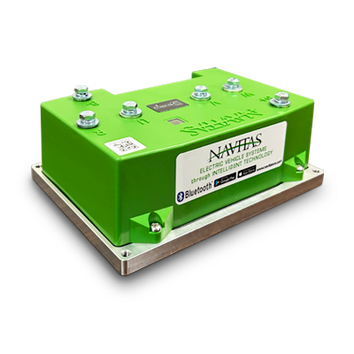
Vendor: EZGO RXV Navitas Controller Kit - 600 amp or 440 amp

Vendor: Navitas TAC2 600 A E-Z-GO L6/S4 72 V Control W/ Module

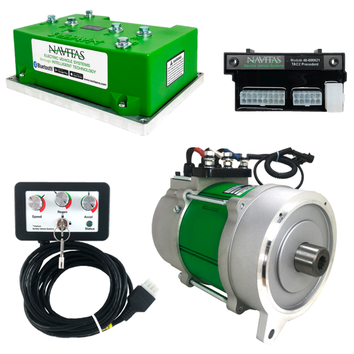
Vendor: EZGO TXT 48V Navitas AC Conversion Kit - CAN enabled

Vendor: Alltrax 48 Volt 300 Amp EZ-GO TXT48 Controller


