


How Far Do Lithium Golf Cart Batteries Go? (Real-World Range Explained)
“How far will it go?”
That’s the number one question people ask after deciding to upgrade to lithium.
And it makes sense. Range is what determines whether your golf cart comfortably handles a full day around the neighborhood, a long campground loop, a resort shuttle route, or a multi-day event without anxiety about getting stranded.
Lithium golf cart batteries do offer significantly more usable range than traditional lead-acid batteries. But here’s the part most marketing pages won’t tell you: the actual miles you get per charge can vary a lot.
Just like fuel economy in a car, lithium battery range depends on how and where you drive, how much weight you carry, and how your cart is set up. Flat pavement versus hills. One rider versus four passengers. Stock tires versus a lifted cart on aggressive tread.
The goal of this guide is simple:
to help you understand the real-world factors that impact lithium golf cart range, set realistic expectations, and choose the right battery size for how you actually use your cart, not how it’s tested in perfect conditions.
Published Range vs Real-World Range
Battery manufacturers often publish range estimates using controlled test conditions, not everyday use. These tests are typically done on flat terrain, with minimal weight, steady cruising speeds, and no additional electrical accessories running. Under those conditions, the battery is drawing power in the most efficient way possible.
The reality is that most golf carts never operate in that environment.
Just like fuel economy ratings on cars, the lithium battery range is highly dependent on how the cart is used. Two carts with the same battery can deliver very different range results because the energy demand changes constantly in real-world scenarios.
Here’s what actually changes range in practice:
-
Flat neighborhood vs hilly campground
Flat, paved routes allow the motor to run efficiently at steady current draw. In hilly environments, the motor must pull significantly more power during climbs, which reduces total miles per charge — especially when elevation changes are repeated throughout the day. -
One rider vs four passengers
A lightly loaded cart uses far less energy than one carrying multiple adults, a rear seat, or gear. Additional weight increases rolling resistance and motor demand, lowering overall range. -
Stock cart vs lifted cart with 23” tires
Stock-height carts with factory tires are naturally more efficient. Lift kits and larger tires alter the effective gear ratio, requiring more torque to maintain the same speed and pushing range toward the lower end of the battery’s capability.
Lithium batteries handle these variables better than lead-acid because they maintain voltage under load and deliver power more efficiently. However, they do not eliminate the laws of physics. Higher load, steeper terrain, and increased resistance will always reduce range regardless of battery type.
Understanding this upfront prevents unrealistic expectations. When users know why range varies, they can choose the correct battery size, voltage, and setup for how they actually use their cart rather than how a test lab uses one.
Battery Size (Ah) Is the #1 Driver of Range

If you want more miles per charge, battery capacity matters more than any single spec. Capacity is measured in Amp Hours (Ah), and it represents how much energy the battery can store and deliver over time.
In simple terms, Amp Hours determine how long the battery can supply power before it’s depleted. A higher Ah rating means more stored energy, which directly translates to more driving range. If two batteries are used in the same cart under the same conditions, the one with higher Ah will go farther every time.
Estimated Real-World Range by Battery Capacity
The ranges below reflect typical everyday use, not controlled lab testing. These numbers assume mixed terrain, normal passenger loads, and realistic driving habits.
-
60Ah: ~15–25 miles
Best suited for short neighborhood use, light loads, and occasional driving. -
105Ah: ~20–50 miles
A common sweet spot for most owners. Handles daily use, moderate terrain, and accessories without frequent recharging. -
160Ah: ~35–80 miles
Designed for heavy use—long routes, frequent passengers, off-road driving, or situations where charging every day isn’t practical. -
105Ah at 72V: ~40–70 miles
Higher voltage improves efficiency under load, allowing the same capacity to deliver noticeably more usable range in demanding setups.
Actual results will always vary, but these ranges reflect what most users experience in real-world conditions, not idealized test environments.
How Voltage Fits Into the Equation
Voltage (36V, 48V, or 72V) affects how power is delivered, not how much energy the battery holds. Higher voltage systems can move the same cart with less current draw, which improves efficiency, especially under load or at higher speeds.
A simple way to think about it:
-
Amp Hours = how much fuel is in the tank
-
Voltage = how efficiently the drivetrain uses that fuel
Voltage improves performance and efficiency, but it does not replace capacity. A high-voltage system with low Ah will still have a limited range. Capacity is what ultimately determines how far you can drive.
Quick Buyer Comparisons
-
105Ah (48V): Best all-around option for most everyday carts. Strong balance of range, weight, and cost.
-
160Ah: Ideal for heavy use, long routes, lifted carts, frequent passengers, or multi-day riding without reliable charging access.
-
36V 105Ah: The best range upgrade for owners who want to stay on a 36V system but need significantly more usable mileage.
Terrain & Driving Conditions

Terrain has a massive impact on range. Range drops significantly when:
-
Driving on sand, gravel, or trails
-
Climbing hills continuously
-
Starting and stopping frequently
-
Operating in cold temperatures
Everyday example:
-
A neighborhood cart on flat pavement may see 40 miles
-
The same cart at a hilly campground may drop to the low 20s
Lithium batteries handle these conditions better than lead-acid, but they still consume more energy under load.
Cart Weight & Passenger Load

Weight directly affects how much energy your cart uses.
Every added pound requires more power to move, especially from a stop or uphill.
Common weight additions include:
-
Rear seat kits
-
Coolers
-
Utility beds
-
Speakers and audio systems
-
Cargo and gear
A lifted cart with accessories can easily weigh 100–250 lbs more than a stock setup.
This doesn’t mean you shouldn’t add accessories. It just means your battery choice should match how the cart is actually used.
Tire Size, Lift Kits & Rolling Resistance

Lift kits and larger tires change how efficiently your cart moves.
Here’s why:
-
Larger diameter tires reduce effective torque
-
Aggressive tread patterns increase rolling resistance
-
Lift kits add aerodynamic drag at higher speeds
Realistic expectations:
-
A stock-height 48V cart often reaches the upper end of a battery’s range window
-
A lifted cart with 23” tires typically lands near the lower end
For lifted carts, a controller upgrade can help manage larger tires more efficiently and restore drivability.
Speed Controllers & Throttle Mapping

Upgraded controllers (Navitas, Alltrax, etc.) change how power is delivered, not necessarily how much range you get.
What affects range most:
-
Higher top-speed settings
-
Aggressive throttle curves
-
Constant full-throttle acceleration
Important clarification:
Controller upgrades don’t dramatically reduce range by themselves. Driving behavior does.
AC motor conversions often improve efficiency, but they also encourage more spirited driving, which can reduce overall range if used aggressively.
👉 Looking for performance upgrades? Check it here:
https://extremekartz.com/pages/golf-cart-performance-upgrades
Accessory Draw (Lights, Audio & 12V Loads)

Accessories slowly pull energy from your battery system.
Common contributors:
-
Light bars
-
Audio systems
-
Underglow kits
-
USB chargers
-
12V accessories
Best practice:
-
Use a fuse block tied into your 12V converter
-
If your accessories exceed the converter’s rated amperage, consider a dedicated 12V battery
This protects your lithium pack and maintains consistent range.
Voltage (36V vs 48V vs 72V): Does It Affect Range?
Voltage affects how power is delivered, not raw range.
However, higher voltage systems can sometimes travel farther with the same Ah rating because they operate more efficiently under load.
General positioning:
-
36V: Older carts, modest range unless upgraded
-
48V: Sweet spot for most modern carts
-
72V: Performance builds with compatible drivetrains
A 72V 105Ah system may out-range a 48V 105Ah system in demanding conditions — but only if the cart is designed for it.
Tips to Maximize Your Lithium Range
Simple habits can add meaningful miles:
-
Maintain proper tire pressure
-
Avoid full-throttle launches on hills
-
Use ECO modes when available
-
Limit accessory use when not needed
-
Keep lithium batteries above 20% state of charge
-
Store and charge in moderate temperatures
Lithium batteries perform best when treated consistently, not pushed to extremes.
Expected Range Examples (Real Builds)
Range numbers make the most sense when you see them applied to real cart setups, not just battery specs. Below are common build scenarios with realistic expectations based on terrain, load, and driving style.
Scenario 1: Stock 48V Cart, Two Passengers, Neighborhood Driving
Battery: 48V 105Ah
Expected Range: ~35–50 miles
This is the ideal use case for a 105Ah lithium battery. A stock-height cart on factory tires, carrying one or two passengers, and driven on flat residential streets places minimal strain on the drivetrain. Stop-and-go is limited, speeds are moderate, and rolling resistance is low.
Under these conditions, most carts operate near peak efficiency, allowing the battery to deliver close to its upper range potential. This setup is typical for homeowners using their cart for errands, evening rides, or community travel.
Scenario 2: Lifted Cart on 23” Tires, Four Passengers, Hilly Campground
Battery: 48V 105Ah
Expected Range: ~20–30 miles
Lifted carts consume more energy due to added weight, larger tires, and increased rolling resistance. When you combine that with four passengers and frequent hill climbs, the battery is under consistent load — especially during starts and uphill acceleration.
In campground environments where terrain varies and stops are frequent, range drops to the lower end of the battery’s window. While lithium still outperforms lead-acid in these conditions, users should expect realistic mid-range mileage, not marketing numbers.
This scenario is a strong case for either adjusting range expectations or considering a higher-capacity battery if long days are common.
Scenario 3: Resort or Community Shuttle Use
Battery: 48V 160Ah BIG
Expected Range: ~50–80 miles
Shuttle carts typically operate for extended periods with multiple passengers, frequent stops, and continuous daily use. Even if terrain is relatively flat, the repeated acceleration cycles and passenger load add up over time.
The 160Ah battery is designed for this type of demand. Its larger energy reserve allows operators to complete long routes or full workdays without mid-day charging. In well-managed conditions, carts often reach the upper end of the range. Under heavier loads or longer shifts, the lower end is more realistic — but still significantly higher than smaller batteries.
This setup prioritizes reliability and uptime over compact size.
Scenario 4: Performance 72V Build with Upgraded Controller
Battery: 72V 105Ah
Expected Range: ~40–70 miles
A 72V system delivers power more efficiently, especially under load, which can extend range compared to lower-voltage systems using the same Ah capacity. However, performance builds often include upgraded controllers, higher speed settings, and more aggressive throttle mapping.
When driven conservatively, these carts can achieve impressive range numbers due to improved electrical efficiency. When driven aggressively, range naturally drops. The wide range window reflects how much driving style influences real-world results in performance setups.
This configuration is best for users who want both range and power, with the understanding that driving behavior directly impacts miles per charge.
When to Choose Each Battery (Range-Based Recommendation Guide)
The right battery isn’t about choosing the biggest option — it’s about choosing the right capacity for how your cart is actually used. Passenger load, terrain, driving habits, and charging access all play a role in determining which battery makes the most sense.
|
Battery Option |
Best For |
Typical Use Case |
Range Expectations |
|
60Ah (48V) |
Short-range riders |
Light, occasional use such as quick neighborhood trips, small communities, or carts that are rarely driven for long stretches |
Designed for shorter outings; ideal when daily mileage is low and charging access is convenient |
|
105Ah (48V) |
Most everyday carts |
The most common setup for residential, campground, and mixed-use carts with one to two passengers |
Balanced range and size; covers most real-world driving needs without overbuying |
|
160Ah (48V BIG) |
Long routes & heavy use |
Resort shuttles, community transport, carts with frequent passengers or limited charging access |
Extended all-day or multi-day range; prioritizes uptime and reliability over compact size |
|
105Ah (36V) |
Older carts staying 36V |
Legacy 36V carts where owners want a range upgrade without converting voltage systems |
Maximizes range within a 36V platform while improving consistency over lead-acid |
|
105Ah (72V) |
Performance builds only |
High-performance carts with upgraded controllers and drivetrains designed for 72V systems |
Efficient power delivery with strong range potential, influenced heavily by driving style |
If your usage falls between two categories, range expectations (not marketing claims) should guide the decision.
Talk to a Lithium Expert
Still unsure which lithium battery will give you the range you need?
Our lithium experts can help match battery size, real-world range expectations, and upgrade recommendations to your exact cart setup in minutes.
Whether you’re building a performance cart or just want reliable all-day range, we’ll make sure you choose the right solution the first time.
📞 Call the lithium experts today and get clarity before you buy.
Related Products

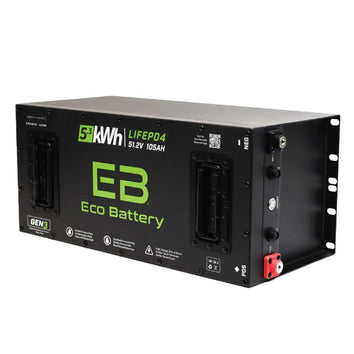
Vendor: 48V 105Ah GEN3 Eco Skinny Battery Individual


Vendor: Bolt Energy 48V 105Ah MINI Golf Cart Lithium Battery Bundle - Professional or Standard Kit


Vendor: Lithium Rhino 48V 105AH Bundle

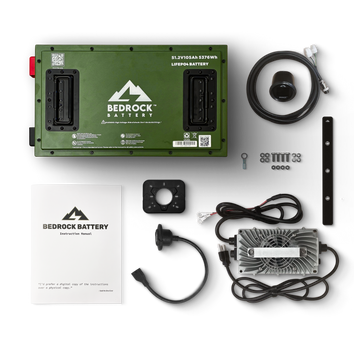
Vendor: Bedrock Battery Slim 48V 105Ah Lithium Conversion Kit


