


Detailed Guide to Golf Cart Tire Pressure
Why Golf Cart Tire Pressure Affects Everything From Range to Ride Quality
Golf cart tire pressure is one of the most important — and most overlooked — maintenance tasks for any cart owner. Most standard golf cart tires perform best between 18 and 22 PSI, though the right number depends on your tire type, terrain, and load.
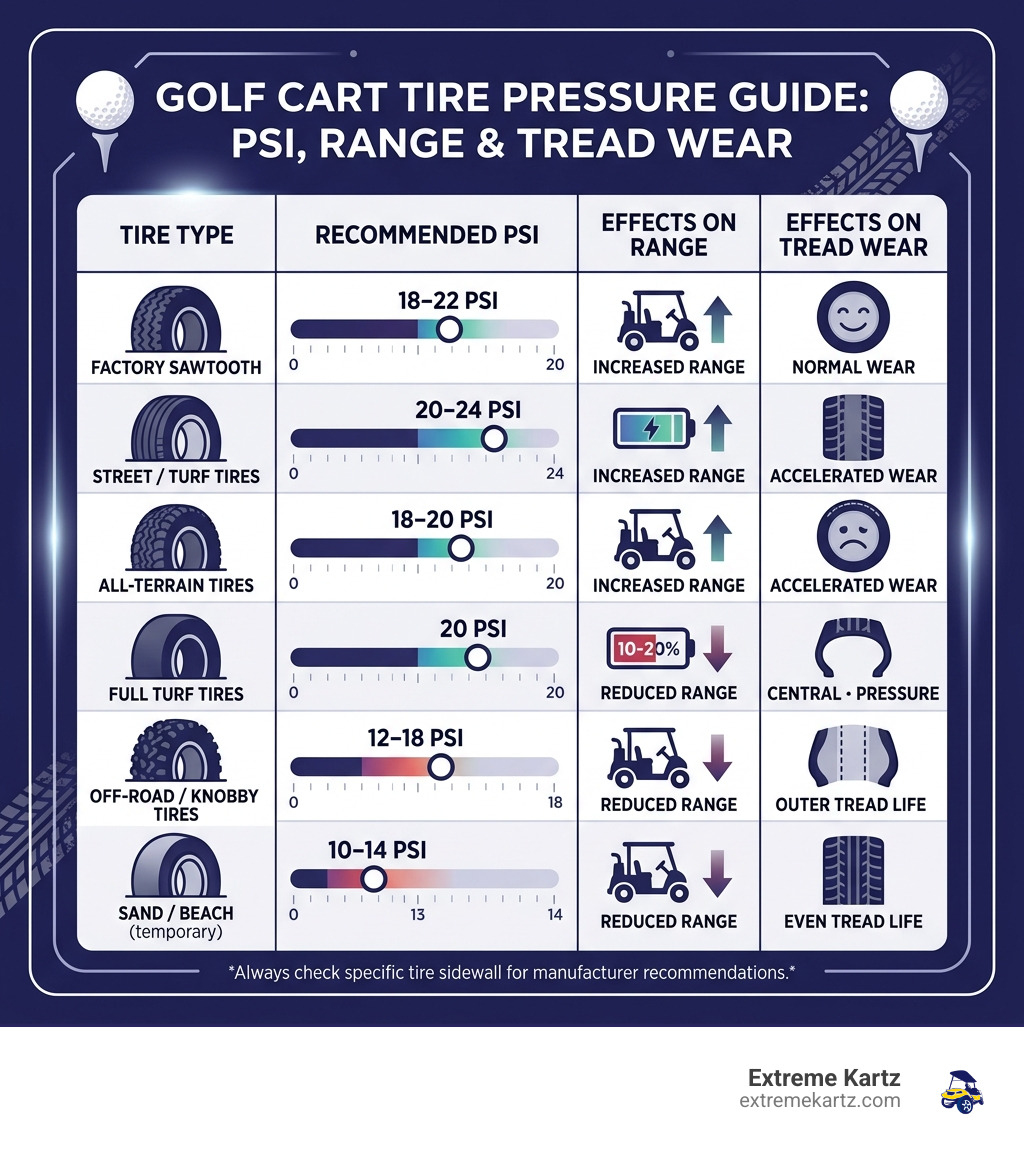
Quick answer — recommended PSI by tire type:
| Tire Type | Recommended PSI |
|---|---|
| Factory Sawtooth (18x8.50-8) | 18–22 PSI |
| Street / Turf Tires | 20–24 PSI |
| All-Terrain Tires | 18–20 PSI |
| Full Turf Tires | 20 PSI |
| Off-Road / Knobby Tires | 12–18 PSI |
| Sand / Beach (temporary) | 10–14 PSI |
Always check the sidewall of your specific tire first. The number printed there is your most reliable starting point — not the internet, and not what your neighbor runs.
The problem is that a tire can look fine and still be 5 PSI off spec. That small difference quietly causes real damage — accelerated tread wear, a harsher ride, and on electric carts, up to a 10–20% reduction in range due to increased rolling resistance. It's one of those things that costs nothing to maintain correctly, but adds up fast when ignored.
I'm Martin Davis, owner of Extreme Kartz, and understanding golf cart tire pressure has been central to the technical guidance we've built around real-world cart performance — from stock fleet setups to lifted builds with aftermarket tires and lithium conversions. In the sections below, we'll cover everything you need to set, maintain, and adjust your tire pressure with confidence.
Understanding Recommended Golf cart tire pressure
When we talk about Golf cart tire pressure, we are measuring the air inside your tires in Pounds per Square Inch (PSI). While the general range for most carts is 15 to 25 PSI, hitting the "sweet spot" is what separates a cart that handles like a dream from one that feels sluggish or dangerously bouncy.
Proper inflation is essentially a "hidden performance upgrade." By maintaining the correct levels, we reduce rolling resistance. This means your motor doesn't have to work as hard to move the cart, which is critical for preserving battery life in electric models and fuel efficiency in gas models. If you’ve invested in Tire Pressure For Golf Cart Tires knowledge, you know that even a 3 PSI deviation represents a 15% swing in pressure, which is enough to change how the cart tracks on the road.
| Tire Size / Type | Typical PSI Range | Best For |
|---|---|---|
| 18x8.50-8 (Standard) | 18–22 PSI | General Course Use |
| 10-Inch Low Profile | 20–24 PSI | Street & Pavement |
| 12-Inch All-Terrain | 18–22 PSI | Mixed Trails/Grass |
| 23x10.5-12 (Off-Road) | 12–18 PSI | Mud & Loose Dirt |
For a deeper dive into how these tires integrate with your vehicle, see our Golf Cart Tire Pressure Guide | GCTS.
Finding the Correct Golf cart tire pressure for Your Model
While tire manufacturers provide ranges, golf cart brands often have specific recommendations based on the weight of the chassis and the suspension setup.
- Club Car: Most Club Car models, known for their lightweight aluminum frames, recommend 18–20 PSI for standard fleet tires. If you are running 22x10-10 all-terrain tires on a lifted Precedent, they suggest starting at 20 PSI.
- EZGO: For the TXT and RXV models, the standard is often 18–22 PSI. Because EZGO carts often carry heavy-duty rear leaf springs, maintaining consistent pressure is vital to prevent the cart from pulling to one side.
- Yamaha: The Yamaha Drive (G29) and Drive2 models typically operate best in the 15–22 PSI range. Yamaha’s unique rear suspension can feel overly stiff if tires are overinflated.
If you are unsure about your specific setup, you can always refer to our Golf Cart Tires collection page for general fitment advice.
Maximum PSI vs. Everyday Operating Pressure
One of the most common mistakes we see at Extreme Kartz is owners inflating their tires to the "Max PSI" listed on the sidewall. Do not do this for daily driving.
The Max PSI (often 35–40 PSI) is the pressure required to support the tire's maximum load capacity or the pressure used to seat the bead during installation. Running your cart at 35 PSI daily will result in a harsh, bone-jarring ride and will cause the center of the tread to wear out prematurely. For everyday comfort and safety, we recommend staying at roughly 80-90% of the recommended operating pressure, which usually lands between 18 and 22 PSI. Think of the sidewall max as a "danger zone" for daily use, as noted in this Golf Cart Tire Pressure: Your Quick Guide.
Factors Influencing Ideal PSI: Load, Terrain, and Temperature

No two golf carts are used exactly the same way. A cart used solely for solo rounds on a manicured course needs different pressure than a 6-passenger "limo" cart hauling a family and beach gear.
- Passenger Capacity: If you have a rear flip seat and regularly carry four adults, your rear tires are under significantly more stress. In these cases, we recommend increasing the rear tire pressure by 2–4 PSI (while staying within the safe range) to prevent the sidewalls from squatting too much.
- Accessories: Heavy additions like brush guards, clay baskets, and lead-acid battery banks add "sprung weight." To maintain stability, check your Golf Cart Rims Tires Complete Guide to ensure your tire and wheel combo can handle the extra PSI needed for support.
- Ride Quality: If the ride feels too stiff, dropping the pressure by 1-2 PSI can act as a secondary suspension, absorbing small bumps. This is a common tip found in the Golf Cart Tire Pressure: Optimal Levels and Maintenance Tips – Golf Pro Guides.
Adjusting Golf cart tire pressure for Special Terrains
The beauty of a modern golf cart is its versatility. However, that versatility requires you to be proactive with your air pump.
- Sand and Beach Driving: If you’re taking your cart onto loose sand, you want a larger "footprint." Dropping your Golf cart tire pressure to 10–14 PSI allows the tire to flatten out, helping you float over the sand rather than digging a hole. Just remember to reinflate them before hitting the pavement!
- Off-Road and Mud: For better grip on roots and rocks, a slightly lower pressure (15–18 PSI) allows the tread blocks to wrap around obstacles.
- Street and Pavement: For maximum speed and efficiency on asphalt, higher pressure (22–25 PSI) reduces friction. This is also a good time to check your alignment; see our guide on How To Properly Align Your Golf Cart Wheels For A Smooth Ride.
Temperature Fluctuations and Seasonal Maintenance
Physics (specifically Charles's Law) dictates that air expands when hot and contracts when cold. For every 10°F change in temperature, your tire pressure will change by approximately 1 PSI.
In the United States, where seasonal swings can be 50 degrees or more, this is a major factor. If you set your tires to 20 PSI on a 75°F afternoon, they might drop to 16 PSI on a 35°F morning. This underinflation makes your cart feel sluggish and drains your batteries faster. Always check your pressure "cold"—meaning before you drive and before the sun has been beating on the tires for hours. This ensures accuracy, as discussed in the Golf Cart Tire Pressure: Guide to a Smooth Ride.
The Impact of Inflation on Performance and Longevity
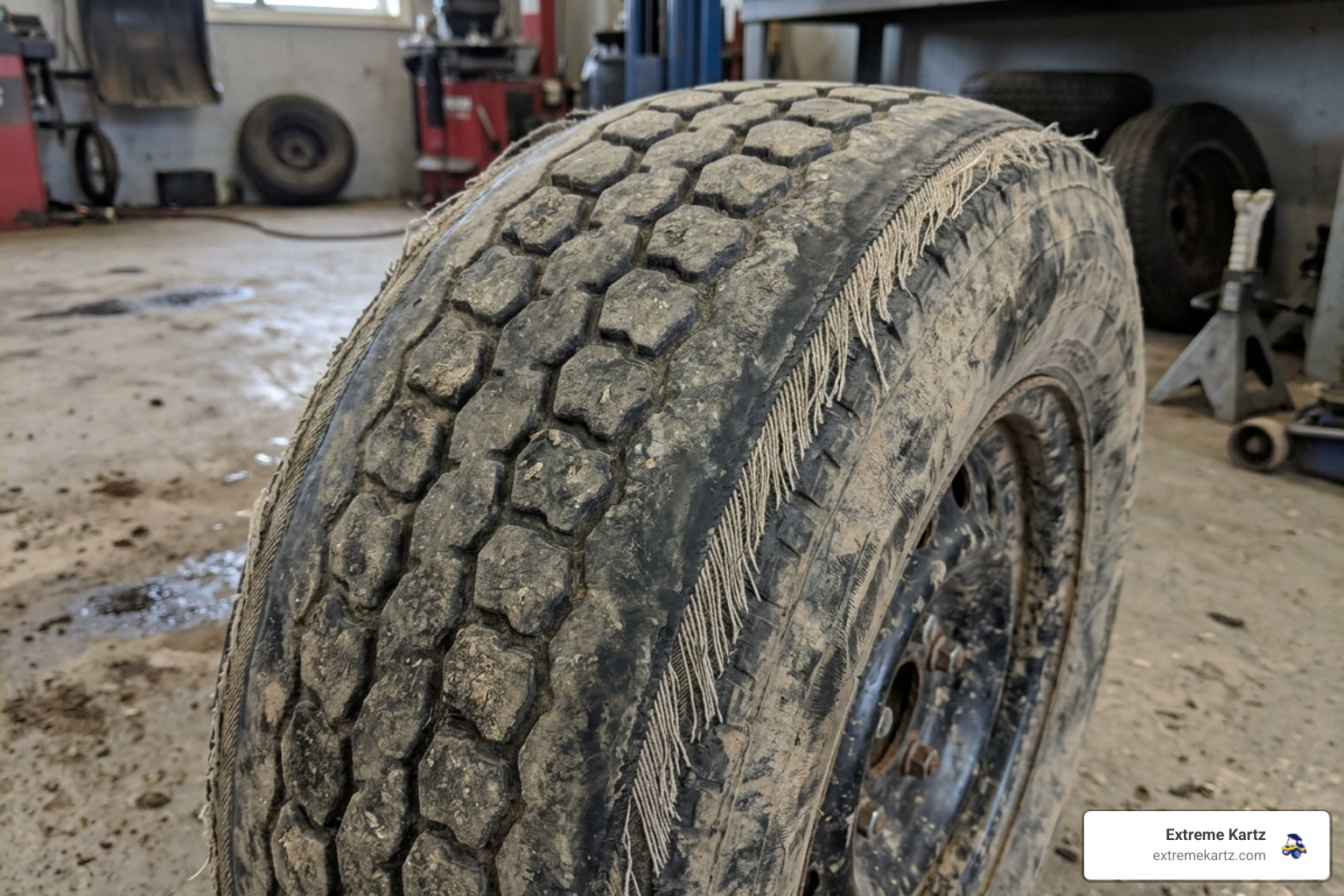
Ignoring your Golf cart tire pressure is an expensive habit. Properly maintained tires can last 4 to 7 years (or 8,000 to 15,000 miles). However, tires that are consistently run at the wrong pressure may need replacement in as little as 2 years.
- Battery Drain: Underinflated tires increase the contact patch, creating more friction. For electric carts, this forces the motor to draw more current, which can reduce your total range by 10–20%. If you’ve upgraded to a high-performance motor or controller, you're essentially wasting that extra power by running "soft" tires.
-
Tread Wear:
- Underinflation: Causes the edges (shoulders) of the tire to wear down while the center remains deep.
- Overinflation: Causes the center of the tire to "crown" and wear out, leaving the edges untouched. To keep wear even, follow our Golf Cart Tire Rotation Guide.
Consequences of Overinflation and Underinflation
Beyond just tire wear, incorrect pressure affects the safety and structural integrity of the cart.
Underinflation Risks:
- Rim Damage: A low tire can allow the rim to hit the ground when going over a curb or pothole.
- Sidewall Failure: Excessive flexing creates heat, which can lead to a blowout.
- Sluggish Steering: The cart will feel heavy and slow to respond to steering inputs.
Overinflation Risks:
- Reduced Traction: A smaller contact patch means less grip, increasing your braking distance.
- Suspension Stress: Excessively hard tires don't absorb shock, transferring that energy directly into your A-arms, bushings, and leaf springs.
- Blowout Risk: On a hot day, an overinflated tire can exceed its structural limit. If you need to swap out damaged tires, check out How To Change Your Golf Cart Wheels Tires A Step By Step Guide.
Impact on Lithium Battery Conversions and High-Speed Controllers
At Extreme Kartz, we specialize in performance systems. When we install a Lithium Battery Conversion or a high-amp AC conversion kit, we are looking for maximum efficiency. All kits ship in 1-2 business days.
Lithium batteries provide a consistent voltage curve, but that performance is easily negated by the drag of low-pressure tires. If you are looking to hit 25+ MPH, every bit of rolling resistance matters. We recommend running at the higher end of the recommended range (22–24 PSI) for pavement-based performance builds to ensure you get the full torque and speed benefits of your upgrades.
Maintenance Routine: How to Check and Adjust PSI
Maintaining your Golf cart tire pressure should be a monthly habit. It takes less than five minutes but can save you hundreds of dollars in the long run.
- Park on Level Ground: Ensure the cart is stable and the tires are "cold" (haven't been driven for at least 3 hours).
- Remove the Valve Cap: Clean any dirt away from the stem first so it doesn't get pushed into the valve.
- Check the Pressure: Use a reliable gauge. We prefer digital gauges for their accuracy, as a 2 PSI difference is hard to see with the naked eye.
- Adjust as Needed: Use a portable air compressor or a floor pump. Add air in small bursts and re-check frequently. Golf cart tires have a small air volume, so they fill up much faster than car tires!
- Replace the Cap: This keeps moisture and debris out of the Schrader valve.
For a quick reference on sizes, see our Golf Cart Tire Pressure Chart by Size (2026) and our Golf Cart Tires Rims Complete Guide.
Essential Tools for Pressure Management
You don't need a professional shop to handle this, but a few key tools make it much easier:
- Digital Tire Gauge: More accurate than the old "pencil" style gauges.
- Portable 12V or Battery-Powered Inflator: Great for keeping in the cart's dash or garage for quick top-offs.
- Valve Core Tool: If you have a slow leak, sometimes the valve core just needs to be tightened or replaced.
- Soapy Water in a Spray Bottle: The easiest way to find a leak. Spray it on the tire; if it bubbles, you've found your puncture.
For more tool recommendations, visit our Golf Cart Tire Pressure Guide | GCTS.
Common Mistakes to Avoid
- The "Eye Test": You cannot tell the difference between 15 PSI and 20 PSI by looking at a golf cart tire. Always use a gauge.
- Ignoring the Spare: If your cart carries a spare, check it! There’s nothing worse than having a flat and realizing your spare is also empty.
- Mismatched Pressures: If your left front tire is at 15 PSI and your right is at 22 PSI, the cart will pull to one side and put uneven stress on your steering rack.
- Checking After a Long Drive: Heat increases PSI. If you check them while hot, you’ll get a falsely high reading and might accidentally let out too much air.
Frequently Asked Questions about Golf Cart Tire Pressure
Is 22 PSI too high for standard 18x8.50-8 tires?
No, 22 PSI is generally considered the upper limit for comfort on standard tires, but it is perfectly safe. It is often the preferred setting for carts used primarily on pavement to maximize battery range and speed.
Should front and rear tires have different PSI settings?
In most cases, keeping them equal is best for handling. However, if you have a rear seat kit (all kits ship in 1-2 business days) and frequently carry passengers, running the rear tires 2–4 PSI higher than the front can help support the extra weight and prevent "squirmy" handling.
How often should I check my pressure in 2026?
We recommend a quick check once a month. If you live in an area with major temperature swings or use your cart for daily commuting, checking every two weeks is a safer bet.
Conclusion
Correct Golf cart tire pressure is the foundation of a safe, efficient, and comfortable ride. Whether you're navigating the back nine or cruising through your neighborhood, those few pounds of air make all the difference in how your cart performs. By matching your PSI to your specific tire type, load, and terrain, you protect your investment and ensure your batteries last as long as possible.
At Extreme Kartz, we look at golf cart performance as a complete system. Tire pressure affects ride comfort, traction, efficiency, and tire life, so even a small PSI change can make a noticeable difference. The goal is not to run the highest pressure possible. It is to run the right pressure for your tire size, load, and driving surface.
If you're upgrading your setup, explore our golf cart wheels and tires collection to find options built for the way you drive. And if you need help with fitment or choosing a practical pressure range for your cart, our team is here to help you make a smart choice the first time.
Related Products

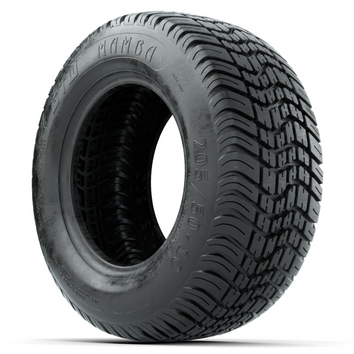
Vendor: 205/50-10 GTW® Mamba Street Tire (No Lift Required)

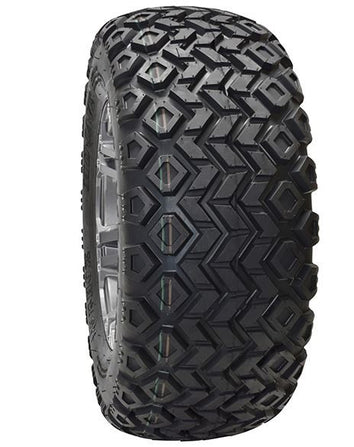
Vendor: RHOX Mojave, 22x10.5-12, 4 Ply


Vendor: 20x10-10 GTW® Barrage Mud Tire (Lift Required)

Vendor: RHOX Road Hawk, 23x10R12 Radial DOT, 4 Ply


