


An Essential Guide to Golf Cart Brake Shoes vs Brake Pads
Golf Cart Brake Shoes vs Brake Pads: The Quick Difference

Golf cart brake shoes vs brake pads comes down to the type of braking system on your cart. Brake shoes press outward against the inside of a brake drum, while brake pads squeeze inward against a brake rotor with a caliper.
| Part | Brake shoes | Brake pads |
|---|---|---|
| Brake system | Drum brakes | Disc brakes |
| How it stops | Shoes press against the inside of a drum | Pads clamp onto a spinning rotor |
| Common cart use | Most standard Club Car, E-Z-GO, and Yamaha carts | Some heavy-duty utility carts and disc-brake conversions |
| Typical location | Often rear axle | At each disc-brake rotor |
| Replacement rule | Replace both sides of the axle as a set | Replace pads as an axle set and inspect rotors |
Most personal golf carts use rear drum brakes with shoes. For example, many Club Car DS and Precedent models, E-Z-GO TXT models, and Yamaha G-series carts use brake shoes. Heavier utility models may use disc brakes and pads because they are designed for greater payloads and more demanding work.
The names are often mixed up in product listings, which makes ordering confusing. The simple check is to look behind the wheel: a round metal drum means you need shoes; an exposed flat rotor and caliper means you need pads. The correct part must match the cart's exact make, model, year, and brake assembly.
I am Martin Davis, owner of Extreme Kartz, where I work with manufacturers, technicians, and cart owners to make fitment and upgrade decisions easier to understand. In this guide to golf cart brake shoes vs brake pads, I will help you identify what your cart uses and what matters before you replace or upgrade its brakes.

Understanding Golf Cart Brake Shoes vs Brake Pads: Mechanics and Differences

To choose the right replacement friction components or plan a performance overhaul, it helps to understand how these two systems differ mechanically. While both brake shoes and brake pads convert kinetic energy into friction to slow your vehicle down, they operate under completely different mechanical principles.

How Drum Brake Shoes Function in Golf Carts
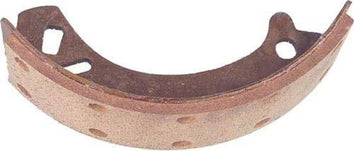
Mechanical drum brake assemblies remain the most common stopping system on standard production golf carts. Inside a typical rear drum system, you will find two curved metallic friction components called brake shoes sitting mounted against a stationary backing plate.
When you push down on your golf cart's brake pedal, mechanical steel cables pull an actuating lever inside the brake cluster (or, in specialized systems, push a hydraulic wheel cylinder). This forces the curved shoes outward into direct contact with the inner spinning surface of the cast-iron brake drum attached to the wheel hub.
A key mechanical feature of drum brake assemblies is the interaction between the primary shoe and secondary shoe:
- Primary (Leading) Shoe: Facing toward the front of the cart, this shoe features a shorter piece of friction material. It makes initial contact with the rotating drum surface when the pedal is pressed.
- Secondary (Trailing) Shoe: Positioned toward the rear of the cart, this shoe features a longer friction lining.
As forward wheel rotation drags the primary shoe, friction causes the shoe to shift slightly and wedge itself deeper into the drum. This "self-energizing" or wedging effect multiplies the mechanical stopping force applied by your foot, transferring energy directly to force the secondary shoe into firm contact against the drum wall.
Because of this asymmetric friction setup, maintaining proper relative shoe orientation (short lining in front, long lining in back) during maintenance is critical for smooth operation and automatic adjuster mechanisms.
How Disc Brake Pads Function in Heavy-Duty Carts
Disc brake systems use flat friction components called brake pads, which clamp onto a smooth steel disc or rotor attached to the wheel hub. Instead of expanding outward like drum shoes, brake pads are mounted inside a hydraulic caliper straddling the spinning rotor.
When the brake pedal is depressed, pressurized hydraulic fluid forces pistons inside the caliper forward. These pistons squeeze two opposing brake pads firmly against both sides of the rotating brake rotor.
Hydraulic disc brakes provide superior stopping power, excellent heat dissipation, and minimal thermal fade under heavy electrical or mechanical loads. Because disc brake rotors sit openly behind the wheel, heat dissipates quickly into surrounding air rather than trapping heat inside a closed drum shell. This makes disc brake pads ideal for heavy-duty personal transportation vehicles, heavy commercial utility carts, and lifted carts operating on steep inclines or high-speed setups.
Model Fitment: Standard vs Utility Golf Carts
Knowing whether your cart uses golf cart brake shoes vs brake pads comes down to factory build specifications, payload ratings, and axle design.
| Golf Cart Make & Model | Production Years | Standard Braking System | Friction Component Used |
|---|---|---|---|
| Club Car DS | 1982–2014 | Rear Mechanical Drum | Brake Shoes (Set of 4) |
| Club Car Precedent | 2004–Present | Rear Mechanical Drum | Brake Shoes (2 Short / 2 Long) |
| E-Z-GO TXT (Gas & Electric) | 1996–2009+ | Rear Mechanical Drum | Brake Shoes (Set of 4) |
| E-Z-GO RXV | 2008–Present | Rear drum (mechanical or hydraulic, varies by configuration) | Brake Shoes — confirm the cart's brake system before ordering |
| Yamaha G-Series (G14–G22) | 1993–2006 | Rear Mechanical Drum | Brake Shoes & Spring Kits |
| Select heavy-duty utility / commercial carts | Varies | Some use hydraulic disc | Hydraulic Brake Pads — verify the specific cart's assembly |
Standard Models Using Golf Cart Brake Shoes vs Brake Pads
The vast majority of standard 2-passenger and 4-passenger fleet carts from major brands come from the factory equipped with rear mechanical drum brakes requiring shoes.
For instance, classic E-Z-GO TXT models (1996–2009 electric and 1997–2009 gas) utilize standard rear drum setups requiring a 4-piece set of brake shoes per axle. Similarly, the Club Car DS (1982–2014) and the Club Car Precedent (2004–present) use cable-actuated rear mechanical drum brakes, with short-lining primary shoes and long-lining secondary shoes. Yamaha G-series carts (such as the G14, G16, G19, and G22) rely on specialized rear drum shoe assemblies controlled by cable linkages.
On the Club Car DS in particular, the rear drums are the only service brakes on the cart — there is no separate front brake — so worn shoes or a stretched cable directly reduce all of your stopping power. That makes correct shoe condition and cable adjustment especially important on these carts.
It is worth noting that friction material formulations have updated over time. For example, modern replacement friction materials for E-Z-GO models (such as updated OEM revision part numbers) are designed to provide quieter operation and longer service life, but should always be replaced as complete 4-piece axle sets rather than mixed with older friction part numbers on the same axle.
Utility and Heavy-Duty Models Using Disc Pads
While standard course carts use drums, some heavy-duty utility and commercial carts built for heavy cargo use hydraulic disc brakes with dedicated pads instead of drums. Because factory brake setups vary within these lines, confirm the specific cart's brake assembly before ordering.
In addition, many owners who install high-speed AC motor upgrades, heavy-duty rear flip seats, or oversized lifted golf cart tires choose to retrofit their standard carts with aftermarket hydraulic or mechanical disc brake conversion kits.

Wear Symptoms, Maintenance Schedules, and Troubleshooting
Brake components wear down gradually as friction material sheds during normal stopping. Recognizing early signs of wear prevents costly damage to wheel hubs and brake drums.
Key Symptoms of Worn Golf Cart Brake Shoes vs Brake Pads
Whether your cart relies on drum shoes or disc pads, watch for these common warning signs that maintenance is due:
- Squealing or Grinding Sounds: High-pitched squealing often indicates glazed friction surfaces or worn lining edges. A harsh metal-on-metal grinding sound means the friction material has worn completely away, allowing metal shoe backing plates or pad backings to scrape directly against drums or steel rotors.
- Spongy or Soft Brake Pedal: If pressing the pedal requires far more travel than usual before the cart slows down, your drum brake shoes may be severely worn down, or mechanical cables may have stretched. On hydraulic disc pad systems, a spongy pedal usually indicates air in fluid lines or low brake fluid reservoirs.
- Cart Pulling to One Side: If one side of your axle stops harder than the other, uneven friction wear or a seized backing plate pivot arm is forcing one wheel to do all the work.
- Low-Speed Stopping Wobble: A slight shudder or pulsing feel at low speeds often stems from uneven wear on a bottom shoe edge or an ovalized, out-of-round brake drum shell.
- Reduced Parking Brake Holding Power: If your parking brake latch slips or fails to hold firm on steep grades, worn drum linings or unadjusted shoe spacing is preventing proper tension lock.
Fixing Uneven Wear and Drum Movement Issues
A common question among cart owners servicing drum systems is why only one brake shoe seems to move when pulling the brake linkage by hand.
During static manual testing, it is entirely normal for only the primary (front) shoe to pivot initially. Drum brakes depend on cart forward motion to drag the primary shoe against the spinning drum, which then wedges the secondary (rear) shoe into full contact.
However, if shoes show extreme uneven wear or binding, follow these troubleshooting steps:
- Clean and Lubricate Backing Plate Contact Points: Rust and brake dust accumulate on metal backing plates over time. Clean contact pads with brake cleaner and apply a thin layer of high-temperature silicone-based grease or anti-seize onto metal backing plate slide points so shoes move freely. Keep lubricant strictly away from friction linings!
- Inspect Return Springs and Hardware: Stretched or corroded return springs lose tension, preventing shoes from retracting fully. Replacing hold-down pins, retainers, and return springs alongside new shoes ensures equal retraction.
- Dress Backing Plate Pads: If metal shoe edges have dug deep grooves into backing plate pads over years of service, smooth out high spots carefully with a hand file before mounting new hardware.
- Adjust Star-Wheel Adjusters: Manually turn the star-wheel adjuster until the new shoes drag lightly against the inside of the drum during manual rotation, then back off slightly for ideal pedal play.
Conversion Options and Replacement Selection
When servicing your stopping system, you can either refresh your existing drum configuration with high-quality replacement parts or upgrade your entire axle to a high-performance disc system.
Upgrading Drum Brake Shoes to Disc Brake Systems
For owners operating heavily customized carts—such as lifted vehicles equipped with high-speed controllers, custom golf cart rims, or multi-passenger rear seat kits—upgrading from rear drum shoes to front or rear hydraulic disc brake pads can provide a noticeable jump in braking performance.
Converting to disc brakes provides several distinct benefits:
- Shorter stopping distances under heavy passenger loads.
- Reduced brake fade during downhill descents in hilly communities.
- Self-cleaning open design sheds mud, water, and sand faster than sealed drums.
- Simpler visual pad inspections without removing entire drums.
Converting requires installing custom mounting brackets, disc rotors, hydraulic calipers, lines, and a master cylinder assembly. Extreme Kartz ships brake shoes, hardware kits, and conversion kits on a published 1–3 business-day handling window, with typical transit of 3–7 business days after handling.
OEM Fitment vs Aftermarket Hardware Kits
When sticking with factory drum setups, selecting precise replacement hardware is vital for safety and smooth pedal return.
While aftermarket brake shoe sets offer exceptional performance value—often cutting costs significantly compared to dealership parts—you must verify fitment geometry carefully. High-quality aftermarket kits include the correct short-lining primary shoes and long-lining secondary shoes to preserve automatic adjuster functionality. Lower-quality universal kits that ship four identical shoe lengths can disable self-adjusting features on Club Car, E-Z-GO, and Yamaha models.
Always replace friction components in complete axle sets (4 shoes or 4 pads across the axle). Replacing only a single worn shoe causes dangerous braking imbalances, pulling, and premature drum scoring.
Frequently Asked Questions About Golf Cart Brakes
Do both brake shoes move when applying golf cart brakes?
Yes, but they move in sequence rather than simultaneously. When you depress the pedal, the primary (front) brake shoe contacts the spinning drum first. As the forward motion of the cart creates friction against the primary shoe lining, it wedgingly transfers force to push the secondary (rear) shoe into full contact against the drum wall. When stationary, manual cable linkage movement may cause only the primary shoe to pivot.
Can you directly replace brake shoes with brake pads without a conversion kit?
No. You cannot simply install brake pads inside a drum brake hub assembly or mount brake shoes onto a disc rotor setup. Drum brake shoes require a sealed cylindrical drum and mechanical backing plate assembly, whereas disc brake pads require caliper mounting brackets, hydraulic fluid lines, and a smooth disc rotor. Converting from drum shoes to disc pads requires purchasing a complete cart-specific disc brake conversion kit.
How often should golf cart brake shoes or pads be inspected and replaced?
We recommend inspecting your golf cart brake shoes or pads at least once per year during routine seasonal maintenance. Inspect lining thickness, clean out accumulated dust, check return spring tension, and lubricate backing plate contact points. Under normal residential and golf course driving conditions on paved roads, high-quality golf cart brake shoes typically last between 3 to 5 years. Carts carrying heavy cargo, operating in hilly terrain, or running commercial fleet hours may require more frequent replacement.
Conclusion
Understanding the differences between golf cart brake shoes vs brake pads is essential for maintaining smooth stopping power, driver safety, and vehicle reliability. Standard fleet golf carts from Club Car, E-Z-GO, and Yamaha rely on rear mechanical drum shoes with self-adjusting short and long lining configurations, whereas heavy-duty utility vehicles and custom high-speed setups utilize hydraulic disc pads.
Whether you need replacement drum shoes, spring hardware kits, or performance upgrade solutions, matching exact model fitment and production years prevents headache and installation delays.
At Extreme Kartz, we specialize in helping cart owners identify the correct setup for their specific vehicle. We offer free ground shipping on orders over $100 within the continental United States, with a published handling time of 1–3 business days and typical shipping transit times around 3–7 business days after handling (freight lead times confirmed at checkout). All product dimensions and pricing reflect specs at time of publishing—be sure to verify exact fitment details on product catalog pages prior to installation.
If you have questions about choosing the right stopping setup or confirming fitment for your cart, contact our expert team today or explore our full catalog of top-rated Golf Cart Accessories, parts, and upgrades at Extreme Kartz.
Related Products


Vendor: Brake Shoe (4) EZGO/Yamaha

Vendor: Brake Shoe Set 4-Lg Ecujt

Vendor: Hill Brake Pad Club Car

Vendor: Jake’s Replacement Disc Brake Rotor (Universal Fit)


