


A Practical Guide to Golf Cart Winter Covers
What Is a Golf Cart Winter Cover — and Do You Need One?
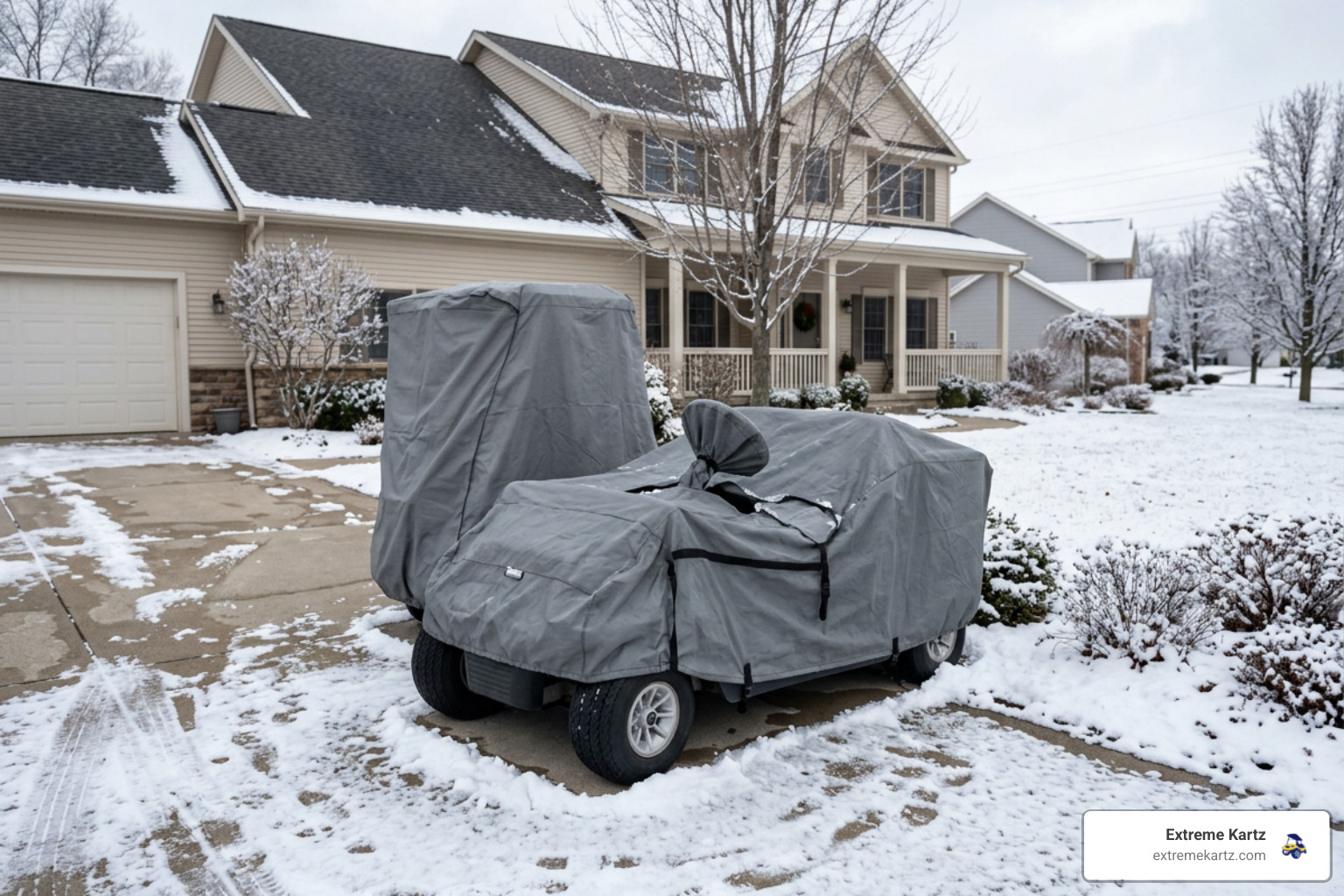
A golf cart winter cover is a purpose-built protective shell designed to shield your cart from cold weather, moisture, snow, UV rays, and debris during the off-season or extended storage periods.
Quick answer: Do you need one?
- Yes, if your cart sits outdoors or in an unheated space during winter
- Yes, if you want to prevent rust, battery damage, faded paint, or cracked seats
- Maybe not, if your cart is stored in a heated, enclosed garage with no exposure to the elements
Here's the short version of what you need to know:
| Question | Quick Answer |
|---|---|
| What does it protect against? | Moisture, snow, UV rays, wind, frost, dust, debris |
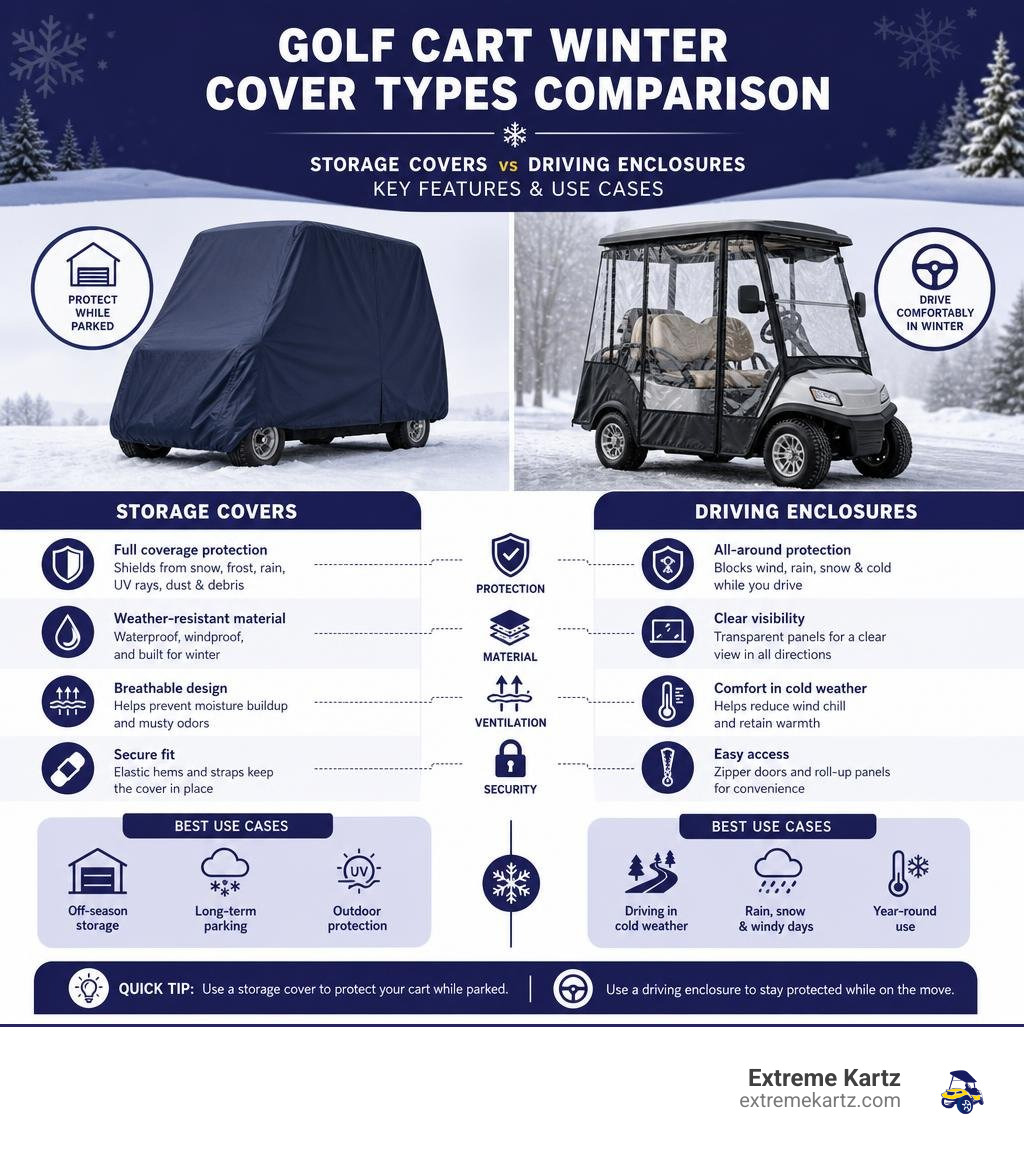
| Is it the same as a driving enclosure? | No — a cover is for storage; an enclosure lets you drive in bad weather |
| What material should I look for? | 400D–600D Oxford or polyester with PU waterproof coating |
| Does it fit all carts? | No — fit depends on roof length, passenger capacity, and cart brand |
| How cold is too cold without one? | Lead-acid batteries can freeze below 20°F; lithium batteries risk damage below 32°F during charging |
Most cart owners don't think about winter protection until something goes wrong — a corroded battery terminal, a musty smell by spring, or paint that's faded faster than it should. A quality cover prevents all of that before it starts.
I'm Martin Davis, owner of Extreme Kartz, and I've helped hundreds of cart owners find the right golf cart winter cover for their specific model, climate, and storage situation. Whether you're storing a two-passenger Club Car in a garage or leaving a six-passenger EZGO on an open driveway all winter, the right cover makes a real difference — and I'll walk you through exactly how to choose it.
Golf cart winter cover further reading:
Why Investing in a Quality Golf Cart Winter Cover is Essential
When winter hits and temperatures plummet, your golf cart faces an uphill battle against the elements. Leaving a cart exposed during the freezing months is a recipe for costly repairs come spring.
Preventing Costly Moisture Damage and Rust
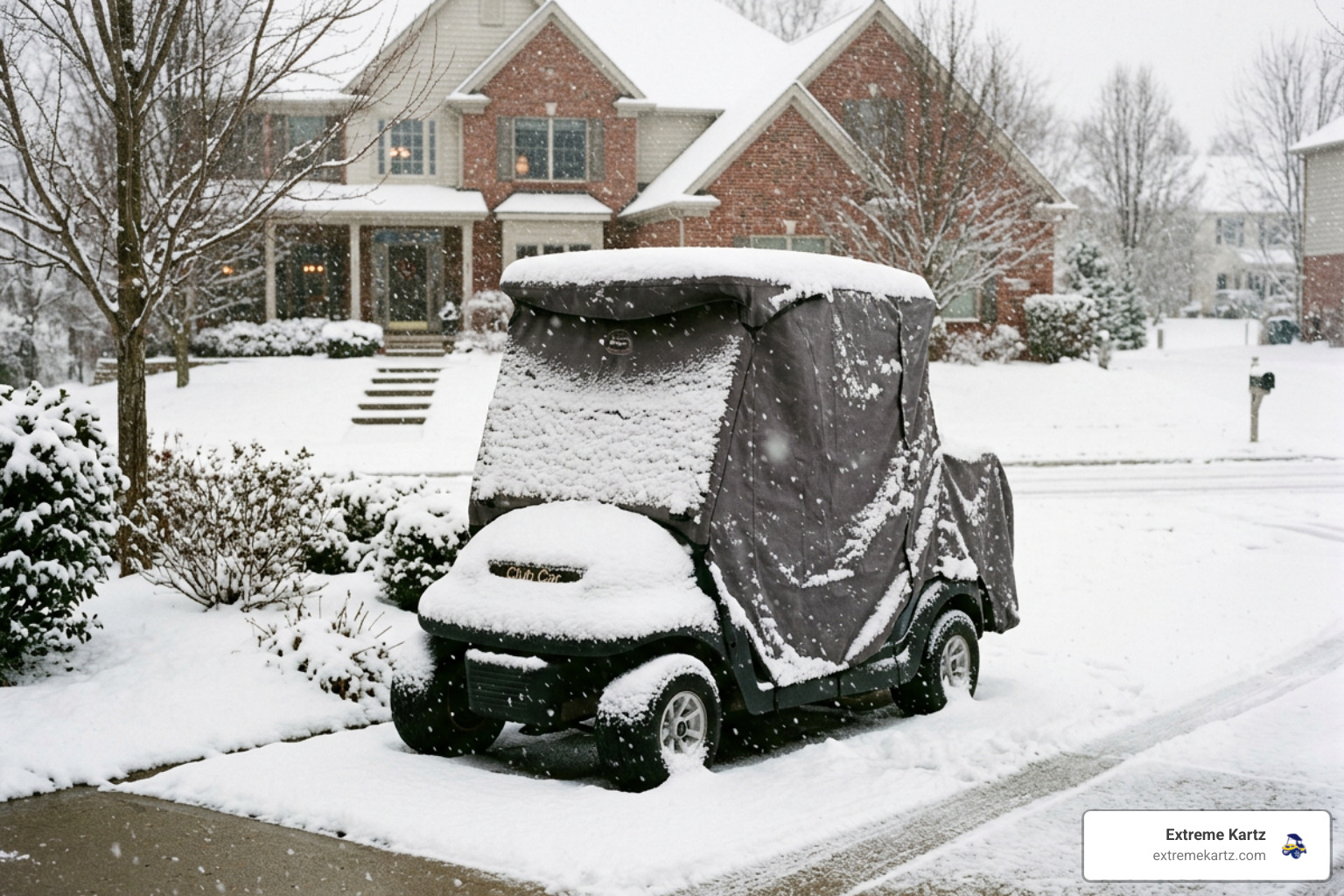
Winter brings rain, sleet, snow, and ice, all of which love to settle in the tightest crevices of your golf cart. Without a heavy-duty golf cart winter cover, moisture pools on flat surfaces and seeps into your cart's electrical system, dashboard controls, and mechanical linkages. Over time, this trapped moisture leads to severe oxidation and rust on metal parts.
Furthermore, standing water can freeze and expand. If water gets trapped inside small cracks in your plastic body panels or rubber trim, the expansion can cause deep structural cracking that is expensive to fix.
Safeguarding Your Batteries from Freezing Temperatures
Batteries are the heart of your golf cart, and they are incredibly sensitive to extreme cold. How you protect them depends heavily on the type of battery system you run:
- Lead-Acid Batteries: These traditional batteries are filled with a liquid electrolyte solution (water and sulfuric acid). If a lead-acid battery is left partially discharged, the water content increases, raising its freezing point. At temperatures below 20°F (-6°C), a discharged lead-acid battery can freeze solid, cracking the outer casing and ruining the battery instantly.
- Lithium Batteries: Modern lithium conversions are highly efficient, but they require careful winter management. While they won't typically freeze like water-based batteries, charging a lithium battery when internal temperatures drop below 32°F (0°C) can cause irreversible damage called "lithium plating." If you have upgraded your cart to a premium system like Eco Battery, Bolt Energy, Lithium Rhino, or Bedrock Battery, keeping your cart insulated under a high-quality cover helps maintain a more stable ambient temperature, protecting your high-performance investment.
Preventing Condensation and Mold Build-Up
It is a common misconception that storing a cart inside a cold, unheated shed or garage means you don't need a cover. Temperature fluctuations inside unheated outbuildings create condensation on the cart's vinyl seats and metal frame. This constant cycle of dampness leads to mold, mildew, and a persistent musty cabin smell that is incredibly difficult to scrub out of vinyl seat cushions. A breathable winter cover allows trapped moisture to escape while keeping ambient dampness off your cart's upholstery.
Key Features of a High-Quality Winter Cover
Not all covers are created equal. If you buy a cheap, thin tarp from a big-box store, you will likely find it ripped, waterlogged, or blown across your yard after the first winter storm. To get true, multi-season protection, you need to look for specific materials and construction details.
Premium Materials and Coatings
- 600D Oxford Fabric: The "D" stands for Denier, which measures the thickness and density of the fabric fibers. A 600D Oxford fabric is highly durable, offering excellent tear resistance and abrasion tolerance against sharp wind gusts and heavy snow loads.
- PU (Polyurethane) Waterproof Coating: A high-quality cover features a PU coating on the inside of the fabric, creating an impenetrable water barrier. Look for options with sealed seam tape along the roof stitching to prevent water from dripping through the needle holes.
- UV Resistance: Even in winter, UV rays can degrade fabric and fade your cart's custom paint. UV-blocking coatings ensure your cover won't become brittle and crack after months of sun exposure.
Essential Design Features
- Air Vents: To combat the mold and mildew mentioned earlier, premium storage covers include built-in, hooded air vents. These vents allow cross-ventilation, letting moisture escape while keeping rain and snow out.
- Elastic Hems and Wind Straps: High-quality covers feature a 360-degree elastic bottom skirt that grips the underside of the cart. Combined with adjustable underbody wind straps and buckles, this prevents wind from lifting the cover and turning it into a giant sail.
- Zippered Access Panels: Look for covers with heavy-duty, commercial-grade zippers. A rear or side zipper allows you to access the battery compartment for charging or check on your cart's storage status without having to remove the entire cover.
If you are looking for top-tier storage protection, look for heavy-duty covers designed specifically for your cart's dimensions. High-quality storage options will offer exceptional heavy-duty performance, ensuring your cart remains dry and protected throughout the winter months.
Comparing Winter Storage Covers vs. Driving Enclosures
| Feature | Winter Storage Cover | Driving Enclosure |
|---|---|---|
| Primary Purpose | Long-term static protection during storage | Weather protection while actively operating the cart |
| Material Weight | Heavy-duty (typically 400D to 600D Oxford/Polyester) | Medium-duty canvas or marine-grade vinyl |
| Windows | None (fully opaque for maximum UV protection) | Large, clear PVC windows for 360-degree driving visibility |
| Installation | Slipped over the top and secured at the bottom | Mounted to the roof track or snapped/strapped to the frame |
| Wind Resistance | Very high (tightly strapped for high-wind storage) | Moderate (designed for driving speeds, not heavy storms) |
| Access | Limited (usually one or two utility zippers) | Full (roll-up zippered doors for easy entry/exit) |
How to Choose the Right Size and Fit for Your Cart
One size definitely does not fit all when it comes to a golf cart winter cover. A cover that is too small won't pull down far enough to protect your seats and suspension, while a cover that is too large will sag, collect water pools, and flap violently in the wind, causing surface scratches on your body panels.
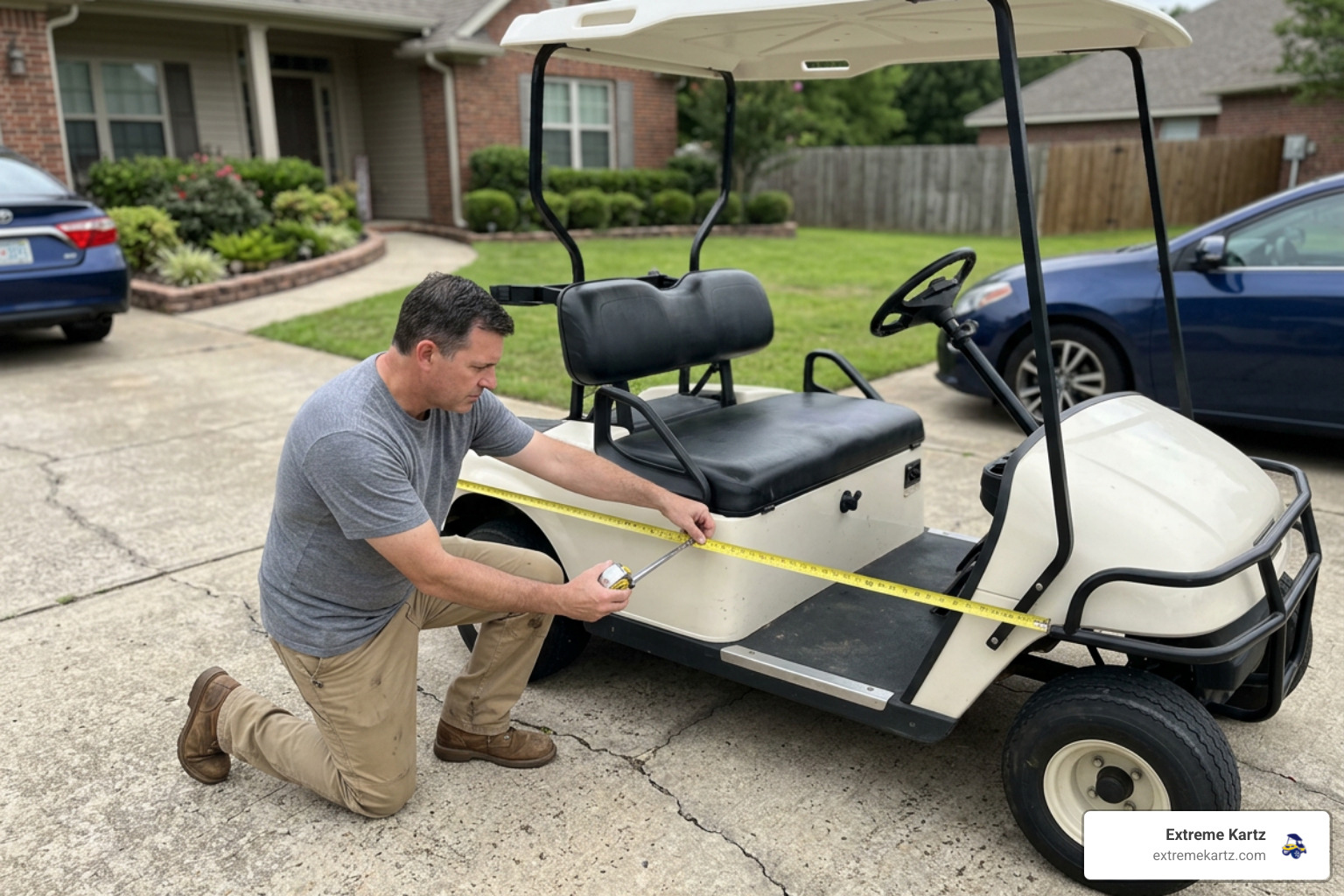
Step 1: Measure Your Cart Accurately
Before ordering any cover, grab a tape measure and record these three critical dimensions:
- Roof Length: Measure the maximum length of your plastic roof from front to back. Standard 2-passenger roofs are typically 54 to 60 inches, while 4-passenger extended roofs are usually around 80 inches. Extended 6-passenger roofs can be 88 inches or longer.
- Overall Length: Measure from the very front bumper to the furthest rear point (which might be a rear seat kit, a cargo box, or a bag well).
- Overall Height: Measure from the ground to the highest point of the roof.
Step 2: Account for Upgrades and Modifications
If you have customized your ride, generic sizing charts can be misleading. Consider these common modifications:
- Lift Kits and Larger Tires: A lifted cart sits much higher off the ground. While the roof dimensions remain the same, you may need a cover with a longer drop to ensure the lower frame and battery tray are fully protected.
- Rear Seat Kits (2+2 Configurations): Adding a rear seat kit extends the footprint of your cart. Ensure your cover is rated for a "2+2" or "4-Passenger" setup to accommodate the extra rear footrest.
- Windshields and Mirrors: If you have side mirrors installed, make sure the cover has enough slack around the front pillars to clear them without tearing. To protect your exterior surfaces from friction scratches during windy storage, ensure the cover is strapped down tightly to prevent shifting.
Step 3: Match the Cover to Your Brand
Different manufacturers design their carts with unique body geometries. For example, EZGO carts often have wider rear bodies, Club Cars feature more squared-off roof lines, and Yamaha models have distinct curved profiles.
To ensure exact fitment and avoid frustrating returns, always shop for covers designed specifically for your brand:
- Find custom-fit options for your Club Car at Club Car parts and accessories.
- Keep your EZGO protected with tailored designs from EZGO parts and accessories.
- Ensure a snug fit on your Yamaha by visiting Yamaha parts and accessories.
Frequently Asked Questions About Winter Protection
Can I use a golf cart winter cover year-round?
Yes, but with some caveats. While a heavy-duty storage cover is excellent for shielding your cart from summer sun and spring rain, it is not designed for daily use. Removing and replacing a heavy, non-drivable cover every time you want to take a quick ride can quickly become a chore.
If you plan to use your cart frequently during the colder months, a drivable enclosure is a much better option. A high-quality drivable enclosure allows you to stay warm and dry while driving, featuring roll-up doors that give you the flexibility to adapt to changing weather conditions. If you need a heavy-duty option that bridges the gap between storage and quick interior access, look for a cover that features multiple zipper doors so you can access your seats, charger port, or dash without taking the whole cover off.
How do I properly clean and store my golf cart winter cover?
Proper maintenance ensures your cover lasts for years without rotting or tearing:
- Clean it on the cart: It is much easier to wash the cover while it is stretched over your golf cart. Use a soft brush, mild soap (like dish soap), and warm water to scrub away dirt, bird droppings, and tree sap. Avoid harsh chemicals, bleach, or machine washing, as these will strip the PU waterproof coating.
- Rinse and air dry: Hose the cover down thoroughly to remove all soap residue. Allow it to air dry completely in the sun before folding it. Storing a damp cover is a guaranteed way to grow mold and ruin the fabric.
- Store in a storage bag: Once dry, fold the cover neatly and store it in a cool, dry place inside its dedicated storage bag to protect it from rodents and dust during the off-season.
What are the top mistakes to avoid when using a winter cover?
- Wrapping a Dirty Cart: Putting a cover over a cart covered in mud, salt, or grit acts like sandpaper. When the wind blows and moves the cover, those trapped particles will grind into your paint and clear coat. Always wash and dry your cart before covering it.
- Neglecting Battery Maintenance: A cover does not replace proper battery care. If you are using lead-acid batteries, ensure they are fully charged and topped off with distilled water before storage. For lithium setups, ensure your master switch is off, and never charge them in sub-freezing temperatures.
- Leaving Straps Loose: If you don't secure the underbody straps, wind will get underneath the cover, causing it to flap, slide off, or tear.
Conclusion
Protecting your golf cart during the harsh winter months doesn't have to be a guessing game. By investing in a high-quality, heavy-duty golf cart winter cover with robust water resistance, proper ventilation, and a secure fit, you can rest easy knowing your vehicle is safe from rust, mold, and battery damage.
At Extreme Kartz, we don't believe in generic, one-size-fits-all solutions. We focus on providing system-based upgrades and high-performance parts that match your exact cart model and setup. Our premium cover kits ship in 1-2 business days, so you can secure your vehicle without delay. If you are unsure which cover size or style is right for your lifted cart, custom rear seat, or specific roof configuration, contact us for a personalized fitment consultation.
Ready to gear up for the off-season? Explore premium golf cart accessories and find the perfect protective gear to keep your ride in showroom condition all year long.
Related Products


Vendor: Storage Cover, Carts w/ 57-61" Tops Heavy Duty, Universal

Vendor: Storage Cover, Golf Cart with 80" Top and Rear Seat , Black


Vendor: Storage Cover For 88" tops

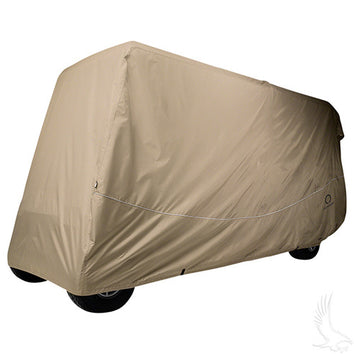
Vendor: Storage Cover, 6 Passenger up to 119" Top, Universal


