


The Best Custom Fabric and Upholstery Options for Your Golf Cart
Why Your Golf Cart Seats Deserve a Custom Upgrade
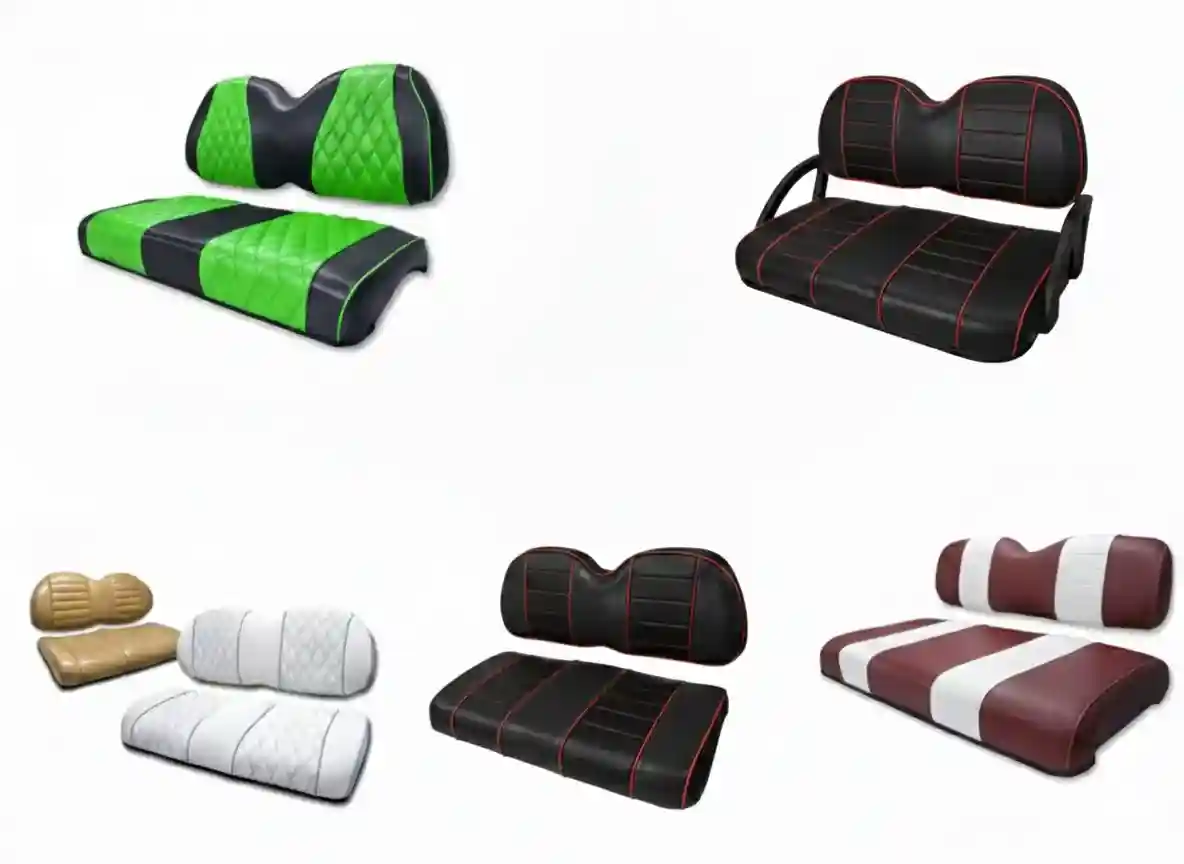
Golf cart custom seat covers are one of the most effective ways to refresh your cart's look, protect your original upholstery, and add a personal touch — all without replacing the entire seat assembly.
Here's a quick overview of what you need to know:
| Topic | Key Takeaway |
|---|---|
| What they are | Covers that fit over existing seat foam and boards to update style and add protection |
| Best materials | Marine-grade vinyl, PU leather, 3D air mesh, microfiber |
| Compatible carts | Club Car Precedent/DS, EZGO TXT/RXV, Yamaha Drive/Drive2, ICON, Evolution |
| Price range | \~$30 for printed designs up to $400+ for premium handmade sets |
| Installation | staple-on; |
| Personalization | patterns, piping colors, diamond stitching, and more |
Cracked vinyl, sun fading, and stains are among the most common complaints from golf cart owners — and they make a cart feel much older than it is. The good news is that a well-fitted custom cover can solve all three problems at once, often for a fraction of what a full seat replacement would cost.
Whether you're driving through a neighborhood, across a resort property, or around your backyard, your seating says a lot about how you maintain and personalize your cart. Custom covers let you control that impression.
I'm Martin Davis, owner of Extreme Kartz, and since 2022 I've helped thousands of golf cart owners across the country find the right golf cart custom seat covers for their specific make, model, and style goals. In the sections below, I'll walk you through everything — from materials and design options to fitment, installation, and maintenance.
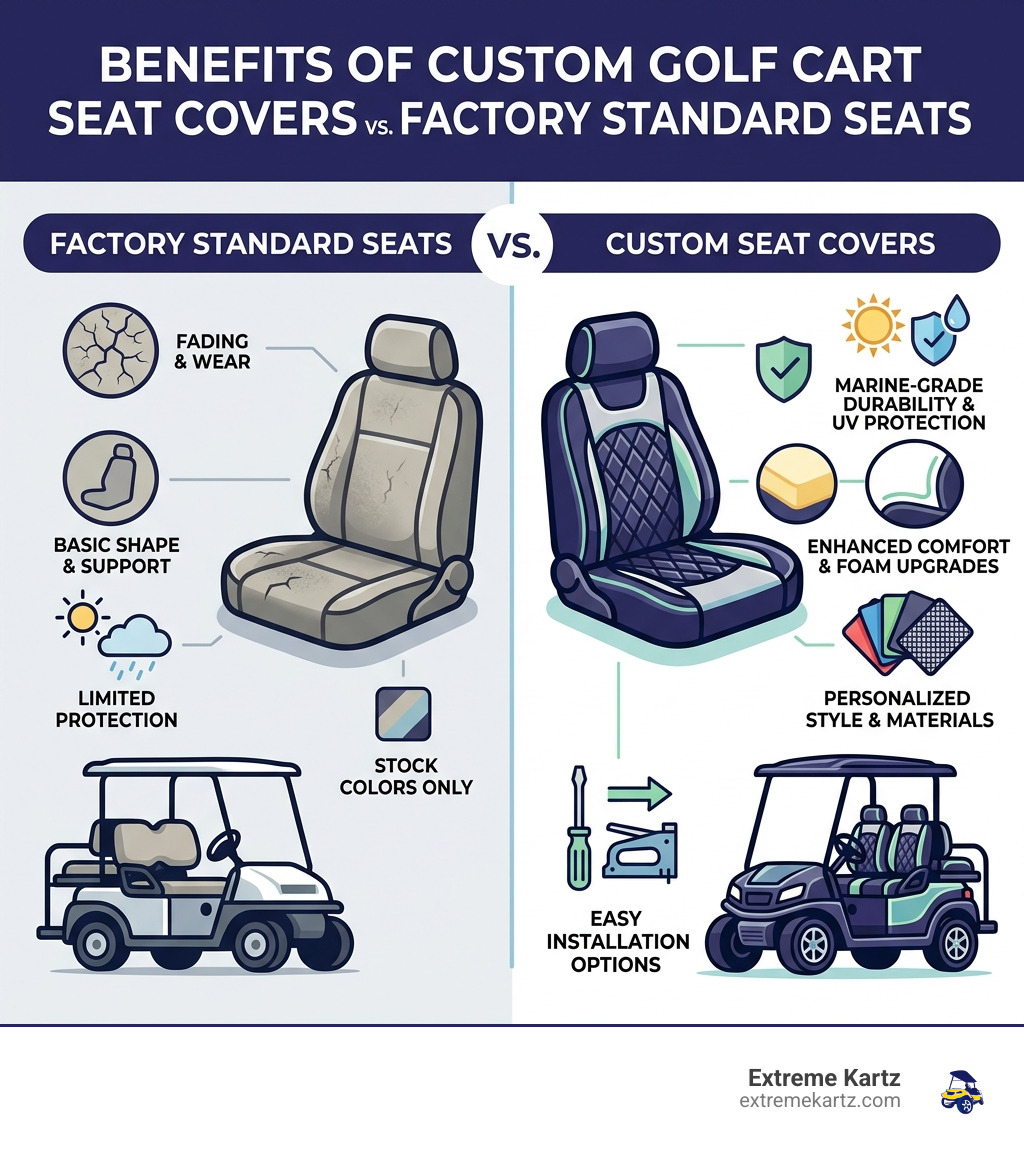
Why Upgrade to Golf Cart Custom Seat Covers?
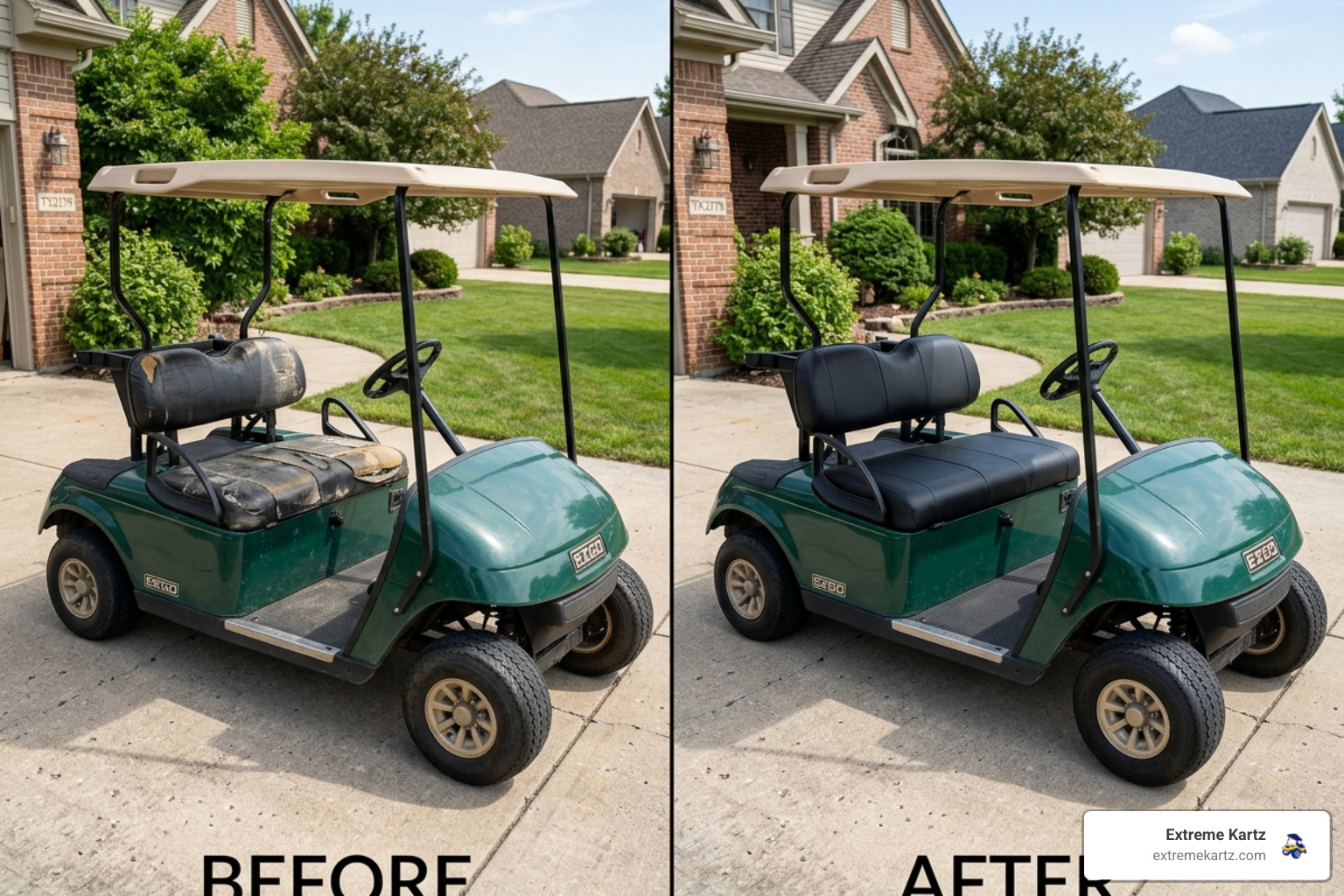
When it comes to your cart’s interior, the factory seats are designed for one thing: utility. They are usually plain, single-colored vinyl that gets incredibly hot in the April sun and eventually cracks under UV exposure. Upgrading to golf cart custom seat covers isn't just about looks; it’s about durability and comfort.
Standard covers are mass-produced and often use lower-grade materials. In contrast, custom options often utilize marine-grade vinyl, which is specifically engineered to resist mildew and the harsh effects of outdoor environments. These materials are often paired with advanced temperature regulation features, like 3D air mesh or breathable synthetic leathers, so you don't burn your legs after the cart has been sitting in the driveway.
According to our Custom Golf Cart Seat Covers Ultimate Guide, these upgrades also significantly impact your cart's resale value. A cart with a custom, well-maintained interior suggests the owner has taken care of the vehicle's mechanics as well. Furthermore, premium custom covers often include 1/2" foam inserts sewn directly into the "skin," providing a level of cushioning and definition that factory seats simply cannot match.
Top Material and Design Options for Customization
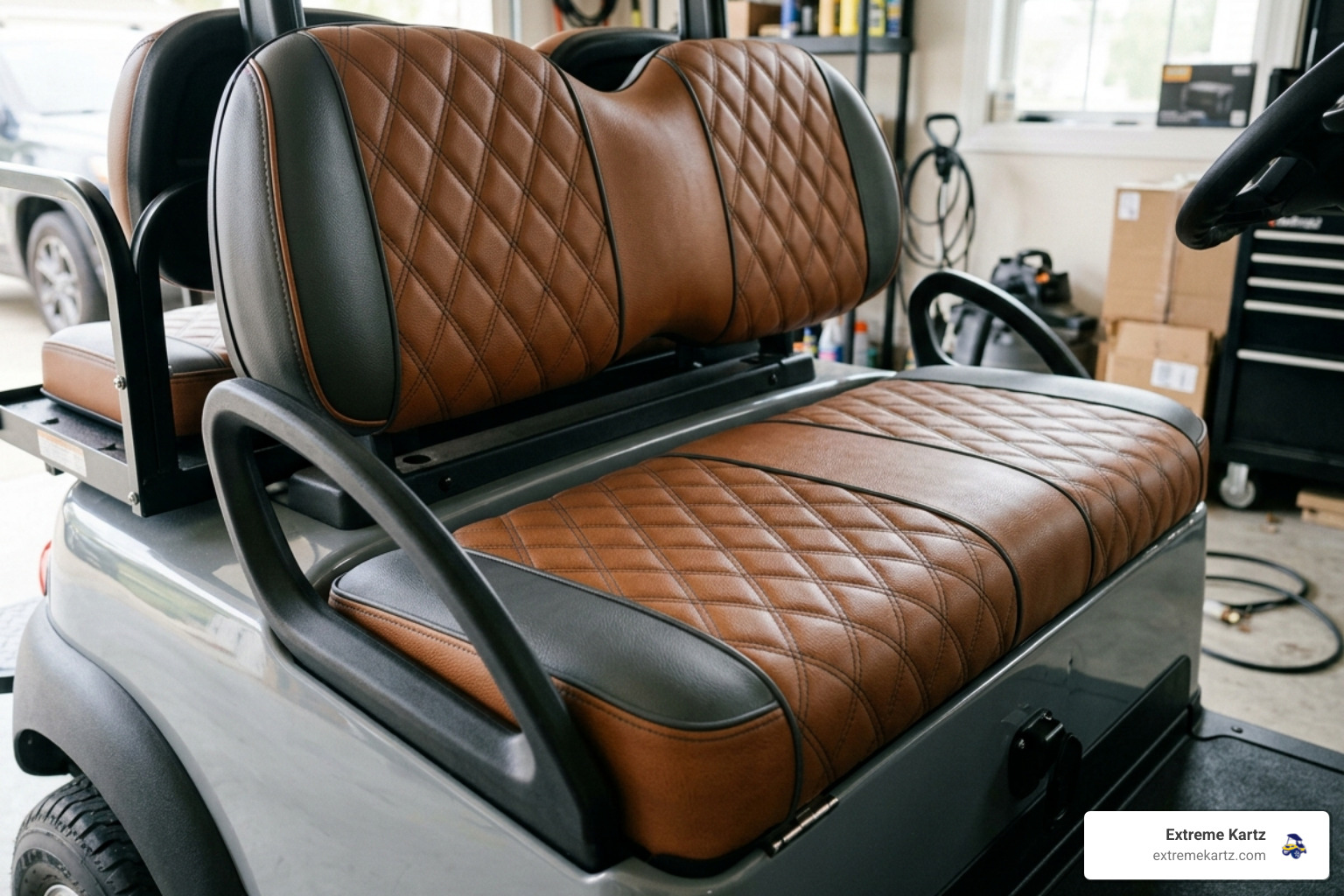
The beauty of the modern market is the sheer variety of materials available. At Extreme Kartz, we emphasize that the material you choose should match your usage goals. If you frequently use your cart near the coast or in rainy climates, marine-grade vinyl is non-negotiable.
Here are the heavy hitters in the upholstery world:
- Marine-Grade Vinyl: The industry standard for a reason. It is waterproof, UV-resistant, and can be cleaned with a simple wipe. Marine-grade vinyl is specifically engineered to withstand the rigors of outdoor exposure.
- 3D Air Mesh: A fantastic choice for hot climates, increasing airflow by up to 40% compared to standard vinyl.
- Microfiber and PU Leather: These materials offer a "luxury car" feel. They are softer to the touch and provide a more sophisticated aesthetic.
- Carbon Fiber Textures: Often used as an accent or base, this provides a modern, sporty look that is also incredibly durable.
You can explore many of these options in our New Custom Golf Cart Seat Section.
Material Comparison Table
| Material | Best For | Durability | Maintenance |
|---|---|---|---|
| Marine Vinyl | All-weather use | Excellent | Low (Wipe clean) |
| 3D Air Mesh | Hot, humid climates | Good | Medium (Washable) |
| Microfiber Leather | Luxury/Comfort | High | Low |
| Polyester Blanket | Casual/Quick protection | Moderate | Machine Washable |
Popular Themes for Golf Cart Custom Seat Covers
Personalization is where the fun begins. We see a wide range of themes trending in 2026:
- Sport-Inspired Aesthetics: Think "Rally Sport" with bold stripes, piping, and carbon fiber accents.
- Camouflage Patterns: From classic woodland to modern Pink Camo, these are favorites for outdoor enthusiasts.
- Floral and Tropical: Designs like "Breezy Birdie" or floral club patterns bring a resort vibe to your neighborhood stroll.
- Personalized Embroidery: Many premium brands allow for custom logos or names to be stitched directly into the headrest or backrest.
Ensuring the Perfect Fit for Your Cart Model
One of the biggest mistakes we see is owners purchasing "universal" covers that end up looking like a baggy t-shirt. For a truly professional look, you need model-specific golf cart custom seat covers.
Major models like the Club Car Precedent, EZGO TXT/RXV, and Yamaha Drive2 all have different seat contours. For example, if you are working on an older model, you might need a Club Car Ds Seat Cover Replacement that accounts for the split-backrest design found on earlier carts.
Similarly, Golf Cart Seat Covers Ezgo Rxv are tailored to the specific curves of the RXV seat frame. When measuring for a custom order, you should always note:
- Seat Width and Depth: Measure the widest and deepest points of the bottom cushion.
- Backrest Dimensions: Measure height and width, and don't forget the thickness of the cushion.
- Model Year: Manufacturers often change seat designs slightly between production years.
If you are unsure, our team is always ready to provide fitment recommendations to ensure you don't end up with a product that won't install correctly.
Compatibility with Rear Seat Kits and Accessories
If you have a four-passenger cart, you'll want your rear seats to match the front. This is where things get tricky because rear seat kits are often made by third-party manufacturers like Madjax, RHOX, or DoubleTake.
When ordering, it’s helpful to consult a Golf Cart Rear Seat Kit Guide to identify your specific kit. If you have a Doubletake Max 6 Helix Seat Kit Guide or a Double Take Max 5 Rear Seat Kit Guide installed, you should provide those specific dimensions so your golf cart custom seat covers can be fabricated to match the front perfectly.
Installation and Maintenance of Custom Seating
There are two primary types of installation for golf cart custom seat covers: Elastic/Slip-on and Staple-on.
Elastic covers are great for quick changes and easy cleaning. However, for a "factory-fresh" look, we almost always recommend staple-on "skins." These require you to remove the seat from the cart, stretch the new material over the existing foam and board, and secure it with a heavy-duty stapler.
For a deeper dive into the process, check out our Custom Golf Seat Covers Ultimate Guide.
One professional tip we always share: use a heat gun (carefully!) or leave the covers in the sun for 20 minutes before installation. This makes the vinyl more pliable, allowing you to pull it tight and remove any wrinkles for a smooth, professional finish. If you're wondering which seats are the most durable to begin with, our article on Golf Cart Rear Seats Who Makes The Best provides excellent context on the underlying structures.
Step-by-Step Guide to Installing Golf Cart Custom Seat Covers
- Preparation: Remove the seat cushions from the cart and clean the existing vinyl. If the foam is damp, let it dry completely to prevent mildew.
- Alignment: Lay the new cover over the seat and align the seams with the corners of the cushion.
- Tension Adjustment: Start by placing one staple in the center of each of the four sides. Pull the material taut before each staple.
- The Corners: This is the hardest part. Fold the material neatly (like wrapping a gift) and use multiple staples to secure the pleats.
- Heat Treatment: Use a heat gun to gently warm any remaining wrinkles, then pull the material and staple again if necessary.
- Reinstall: Bolt the seats back onto the cart and enjoy the new look!
Frequently Asked Questions about Custom Upholstery
What is the typical price range for custom golf cart seat covers?
The price varies wildly based on quality. Budget-friendly "blanket" style covers or printed polyester designs can start around $30. However, for high-quality, model-specific golf cart custom seat covers made from marine-grade vinyl with diamond stitching, you can expect to pay between $135 and $400+. Factors affecting cost include the complexity of the design, the use of performance threads like SolarFix PTFE, and whether you are covering just the front seats or a full four-passenger set.
How do I measure my seats to ensure a proper fit?
To get the right fit, use a flexible measuring tape. Measure the length and width of the seat bottom and backrest at their largest points. Crucially, measure the thickness of the cushion as well. If you have an aftermarket rear seat kit, identifying the brand (e.g., Genesis, Madjax) is often more important than the measurements themselves, as these are built to standard specifications.
Conclusion
At Extreme Kartz, we believe that your golf cart should be a reflection of your personality and your performance needs. Upgrading to golf cart custom seat covers is one of the most cost-effective ways to transform your vehicle from a standard utility cart into a custom masterpiece.
We specialize in system-based solutions, ensuring that your new seats aren't just pretty, but are compatible with your specific cart model and lifestyle. Whether you're looking for the cooling benefits of 3D mesh or the rugged durability of marine vinyl, we have the expertise to guide your purchase.
Ready to upgrade your golf cart interior? Explore our Custom Seat Cover Collection and find a style and fit that works for your cart.
Related Products

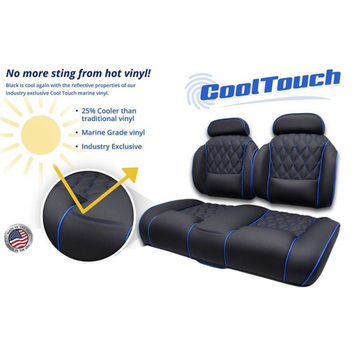
Vendor: Lazy Life Two-Tone 8" Stripe Golf Cart Seat Cover

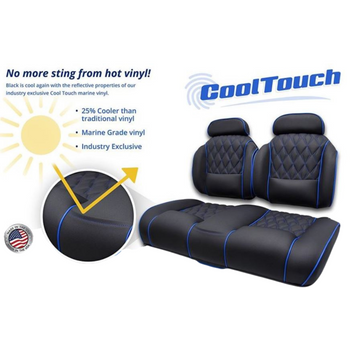
Vendor: Lazy Life Three Tone Hourglass Seat Cover

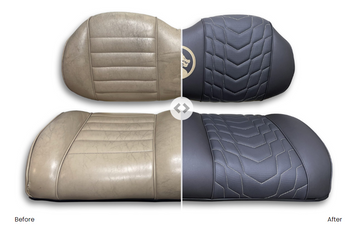
Vendor: Lazy Life Club Car Precedent Premium Cover Set - Front Seat


Vendor: Lazy Life Two-Tone Center Stripe Golf Cart Seat Cover


