


The Complete Guide to Club Car Golf Cart Body Kits
Why Club Car Golf Cart Body Kits Are Worth Your Attention

Club Car golf cart body kits are one of the most impactful upgrades you can make to your cart — transforming an aging or plain-looking vehicle into something that genuinely turns heads.
Here's a quick overview of what you need to know:
| Topic | Quick Answer |
|---|---|
| Main models covered | Club Car DS, Precedent (2004+), Tempo (2018+), Onward |
| Popular kit styles | OEM-style replacement, custom classic car replicas, off-road themed |
| Top materials | High-impact ABS/acrylic blend, UV-resistant, pre-molded color |
| DIY-friendly? | Yes — most kits use pre-drilled holes and existing hardware |
| Price range | ~$660 for standard kits up to $3,500+ for full classic replica builds |
| Where to start | Match kit to your exact model and year before ordering |
Whether your cart's body is faded, cracked, or just due for a refresh, the right kit can completely change how it looks and how long it holds up. Options range from clean OEM-style replacement bodies (including modern metallic-style finishes) to more aggressive custom looks with upgraded cowls, sporty front ends, and color-matched panels. The gap between a stock cart and a fully kitted one is significant, and the upgrade process is more approachable than most people expect.
This guide covers everything: model compatibility, materials, installation, accessories, maintenance, and pricing — so you can make a confident, well-informed decision.
I'm Martin Davis, owner of Extreme Kartz, and I've worked closely with manufacturers and technicians to help customers across the country find accurate fitment solutions for club car golf cart body kits across every major Club Car platform. In the sections below, we'll break down exactly what's available for your specific model and how to get the best result.
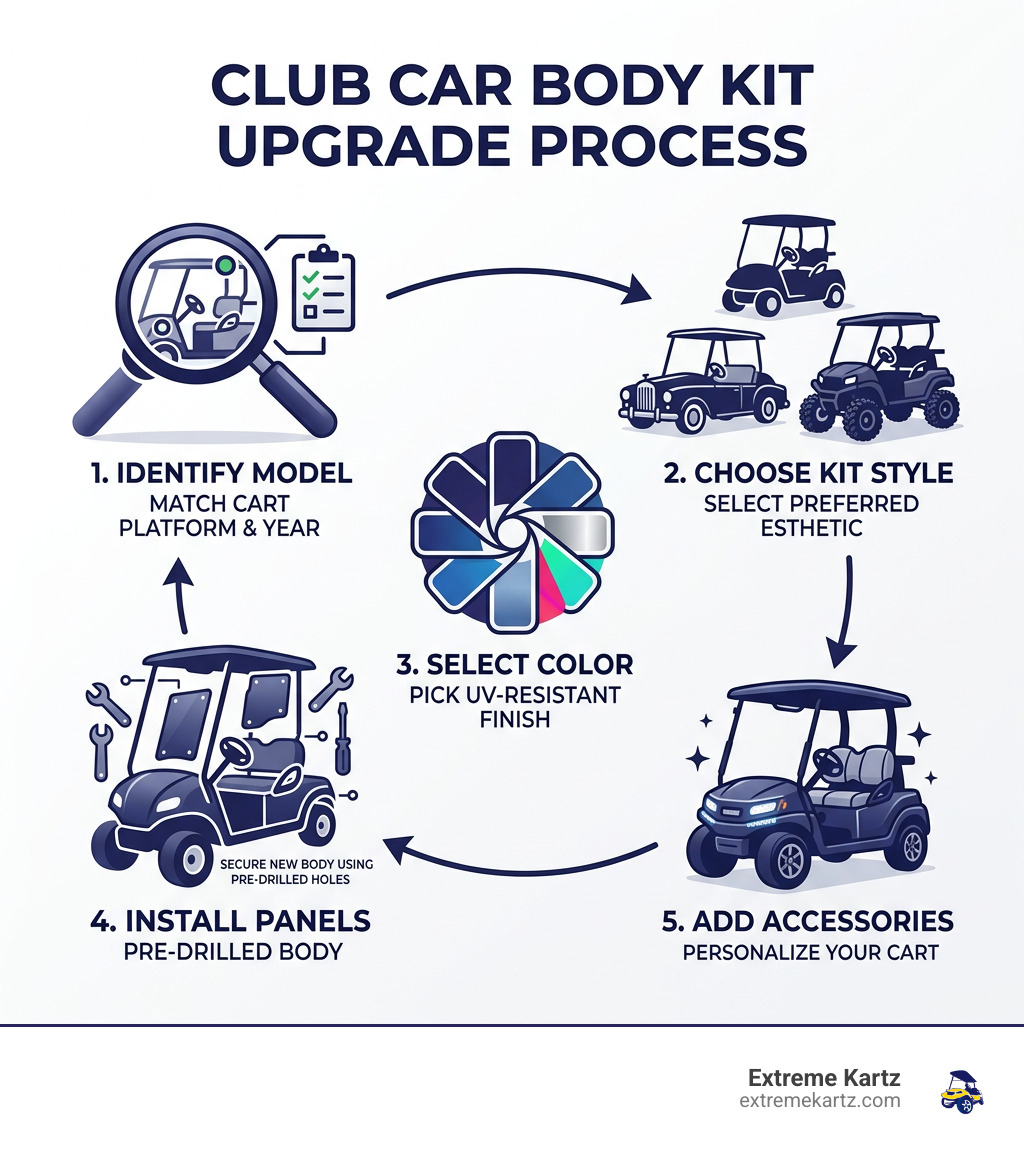
Club car golf cart body kits basics:
Understanding Club Car Golf Cart Body Kits by Model
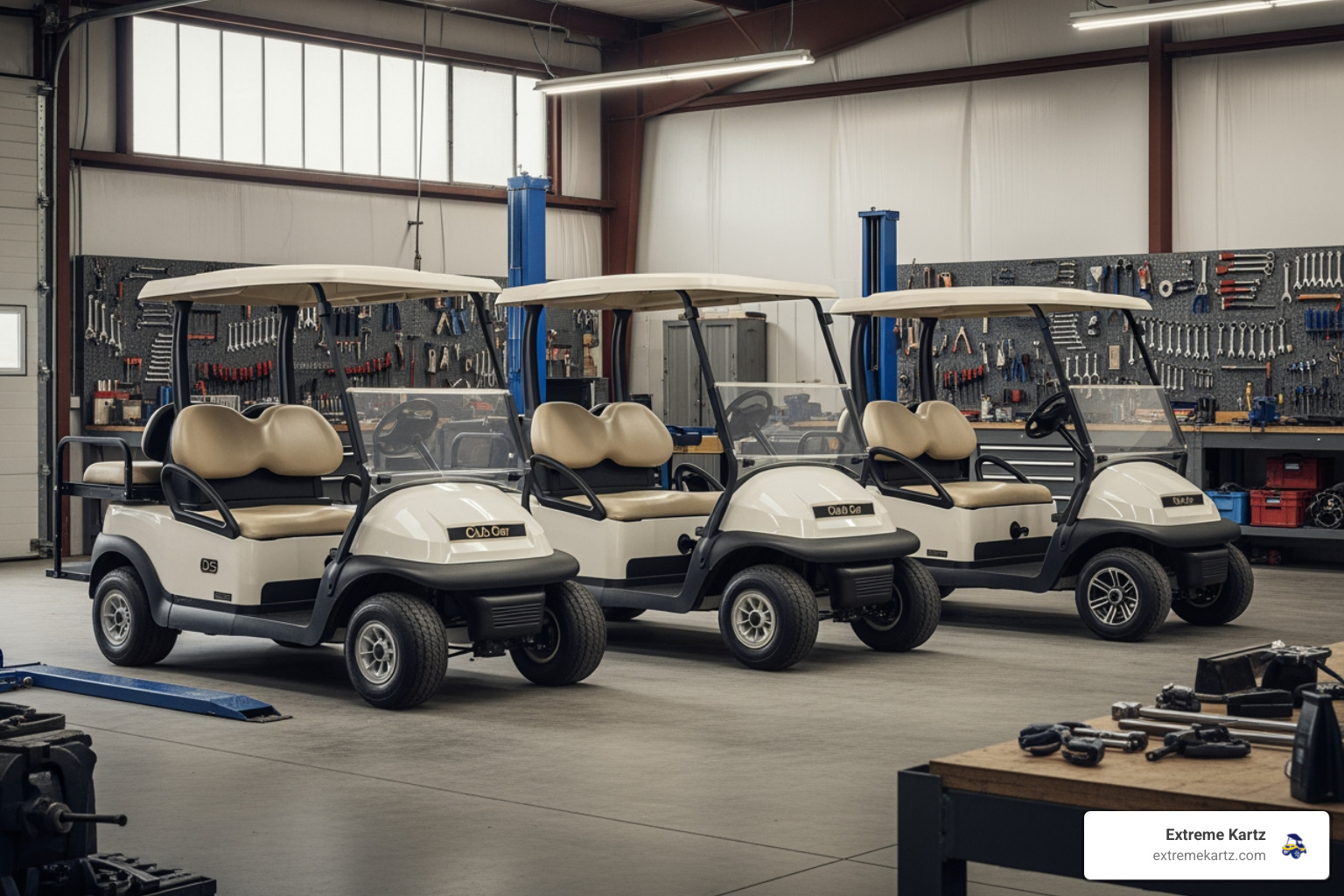
When we talk about club car golf cart body kits, the first step is always identifying your chassis. Club Car has evolved significantly over the decades, and while a "universal" kit sounds great, it doesn’t exist. Each model has unique mounting points, strut configurations, and dash interfaces.
At Extreme Kartz, we emphasize fitment accuracy because nothing stalls a weekend project faster than a front cowl that won't line up with your frame. Whether you are working on a vintage DS or a modern Tempo, understanding these chassis differences is the foundation of a successful build. You can explore our deep dive into these variations in our Club Car Golf Cart Body Kits article.
Customizing the Club Car Precedent and Tempo
The Precedent (2004+) and the Tempo (2018+) share a lot of DNA, but they aren't identical. The Precedent revolutionized the industry with its AlumiCore frame, and most aftermarket kits, like the popular Phantom, were designed specifically for this platform. For a full breakdown of this specific kit, see our Club Car Precedent Phantom Complete Guide.
The Tempo is the successor to the Precedent. While many rear body components are interchangeable, the front cowl often requires specific brow and fascia updates. If you're looking to refresh these models, you generally have two paths:
| Feature | OEM-Style Replacement | Custom Aftermarket (e.g., Phantom/Alpha) |
|---|---|---|
| Aesthetic | Clean, factory-fresh look | Aggressive, automotive-inspired |
| Installation | Direct swap using factory hardware | May require new light kits/harnesses |
| Customization | Limited to standard/metallic colors | High (grille options, hood scoops) |
| Best For | Restorations and "like-new" flips | Neighborhood standouts and custom builds |
Classic and Performance Styles for Club Car DS
The Club Car DS is the "old faithful" of the golf cart world. Produced for nearly 30 years, it has the largest selection of "replica" kits. Because the DS uses a more traditional square-front design, it provides an excellent canvas for fiberglass transformations.
One of our favorite recommendations for the DS is the Doubletake Spartan Body Kit. It offers a rugged, modern look that breathes new life into the aging DS frame. When upgrading a DS body, we also suggest looking at your seating; pairing a new body with a Doubletake Max 5 Rear Seat Kit Guide ensures the rear of your cart looks as premium as the front.
Materials, Durability, and the Color-Match System
The longevity of your club car golf cart body kits depends entirely on the material. In the early days, most kits were thin fiberglass that would spider-crack at the first bump. Today, we utilize advanced polymers that handle the rigors of the golf course and the neighborhood.
Most high-quality kits are constructed from a blend of high-impact ABS plastic and Acrylic. This combination provides the best of both worlds: the ABS offers structural flexibility and impact resistance (so the body doesn't shatter if you clip a garage door), while the Acrylic provides a deep, automotive-grade gloss and UV protection. For more on the technical side of these materials, check out the Double Take Golf Cart Parts Ultimate Guide.
Benefits of Pre-Molded Color in Club Car Golf Cart Body Kits
One of the biggest innovations in the industry is "molded-in color." Unlike a painted body, where a scratch reveals white or black plastic underneath, pre-molded bodies have the pigment mixed directly into the plastic.
- Scratch Concealment: If you get a deep scratch, the color is the same all the way through, making it much less noticeable.
- Flake Resistance: There is no paint to peel or flake off over time.
- UV Resistance: These kits are engineered to withstand years of direct sunlight without fading into a duller shade.
- Variety: Brands like DoubleTake offer 11 to 19+ color options, ranging from "Teal" and "Ruby" to "Graphite" and "Midnight Blue."
Painting and Refinishing OEM Surlyn Bodies
Can you paint a Club Car body? The answer used to be "not easily," but technology has changed. Original Club Car bodies (Precedent/Tempo) are often made of Surlyn, a flexible plastic. To paint these successfully, you cannot just use a rattle can from the hardware store. You need:
- Adhesion Promoters: To help the paint stick to the "oily" plastic surface.
- Flex Additives: So the paint doesn't crack when the body panels naturally flex.
- Proper Prep: Sanding and degreasing are non-negotiable. While factory-painted bodies often start with a black base material, many DIYers find that purchasing a pre-molded kit is more cost-effective and durable than a professional custom paint job.
Installation Guide and Accessory Integration
We often get asked, "Can I do this myself?" The answer is almost always yes. Most club car golf cart body kits are designed with the DIY user in mind.
Standard kits, particularly from DoubleTake, arrive with pre-drilled mounting holes and are engineered to reuse your factory hardware. You won't need a full machine shop; a basic socket set, a cordless drill, and an open-ended wrench set are usually all it takes. For a broader look at the process, our Best Golf Cart Body Kits Guide is a great resource.
Typical Installation Steps:
- Teardown: Remove the old canopy, seat cushions, and the front/rear body panels.
- Cleaning: This is the best time to wash the chassis and check your batteries or wiring.
- Alignment: Set the new rear body in place first, followed by the front cowl.
- Hardware: Hand-tighten all bolts before doing a final torque to ensure everything is aligned.
- Film Removal: Most kits ship with a protective plastic film. Pro tip: Do not remove this until the very end to prevent accidental scratches during the install!
Essential Accessories for Club Car Golf Cart Body Kits
A body kit is the foundation, but the accessories complete the "system." We recommend a holistic approach to your build. If you're installing a vibrant new body, your old, faded dash or beige seats will suddenly look out of place.
- Dash Kits: Coordinate your interior with the exterior color for a high-end automotive feel.
- Custom Cushions: Brands like DoubleTake offer seat cushions that perfectly match their body colors. Learn more in our Doubletake Max 6 Helix Seat Kit Guide.
- Color-Matched Tops: Replace that standard tan or black roof with a sleek, color-matched canopy.
- Light Kits: Many aftermarket cowls (like the Alpha or Phantom) require specific light kits. Ensure your kit includes the necessary wiring harness.
For a complete list of ways to finish your build, see our Double Take Golf Car Accessories Guide.
Maintenance and Longevity Tips for New Body Kits
Once your new club car golf cart body kits are installed, you'll want to keep that showroom shine. Because these are often acrylic-coated, they should be treated more like a car and less like a piece of lawn equipment.
- Use the Right Soap: Only use automotive-grade car wash products labeled "Safe for Clear Coat." Avoid dish soaps, which can strip the UV protectants from the finish.
- Microfiber Only: Never use abrasive sponges or old rags. A clean microfiber mitt will prevent swirl marks.
- UV Protection: Periodically apply a high-quality automotive wax or a ceramic spray coating. This adds a sacrificial layer against sun damage and bird droppings.
- Hardware Check: After the first few rides, go back and check your mounting bolts. Vibration can occasionally loosen hardware on a fresh install.
Frequently Asked Questions about Club Car Body Kits
What is the typical cost of a full Club Car body kit?
Pricing depends on how dramatic the transformation is (OEM-style refresh vs. full custom look) and what’s included in the kit.
- Standard replacement-style kits: Commonly land around $660 to $1,400. These are usually durable molded plastics (often ABS) and typically include the front cowl and rear body.
- Shipping: Body kits are large and usually ship LTL freight on a pallet. Commercial delivery can be cheaper than residential. Also, free shipping is available on orders over $100 (when eligible).
Are aftermarket body kits compatible with both gas and electric models?
Yes! The exterior body panels for Club Car models are generally the same regardless of the powertrain. However, there are a few things to watch for:
- Access Panels: Ensure the rear body has the correct access for your FNR (Forward/Neutral/Reverse) switch or charging port.
- Component Clearance: High-performance gas engines or large lithium battery setups might require slight trimming of internal plastic tabs, though this is rare with name-brand kits.
How do I ensure the best fitment for my specific Club Car year?
Never guess based on looks alone. Find your serial number (usually located under the glove box or near the accelerator pedal).
- Precedent (2004-Up): These are fairly consistent, but 2004-2008 models may have different light harness requirements than newer versions.
- Tempo/Onward: If you are trying to "convert" a Precedent to a Tempo look, you will need more than just the cowl. You'll likely need a new brow, fascia, and front strut covers.
- The "Brow" Factor: The plastic piece that sits between the cowl and the windshield (the brow) changed designs over the years. Always verify if your kit includes a new brow or if you need to reuse your old one.
Conclusion
Upgrading your cart with club car golf cart body kits is the most effective way to add value and personality to your vehicle. At Extreme Kartz, we don't just sell parts; we provide system-based solutions. We want to make sure that when your kit arrives, every bolt lines up and every color matches perfectly.
By focusing on fitment accuracy and high-quality materials like UV-resistant ABS/Acrylic blends, we help you avoid the "buyer's remorse" of poor-fitting, cheap imitations. Whether you're doing a DIY weekend project or a professional-grade restoration, we are here to guide your decision-making process from start to finish.
Ready to start your transformation? Browse the full lineup of Club Car body kits and get More info about Club Car parts to make sure your next upgrade fits the first time.
Related Products

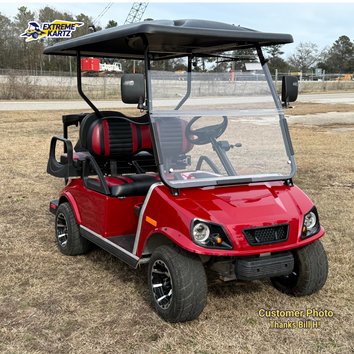
Vendor: Club Car DS DoubleTake Spartan Body Kit - 1984+


Vendor: DoubleTake Club Car Precedent / Onward / Tempo Body Kit - Choose your Color

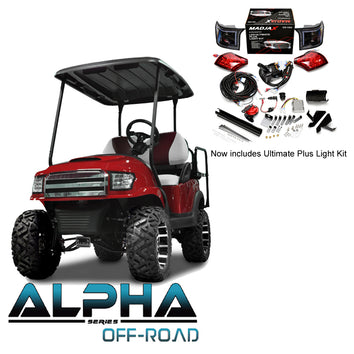
Vendor: Madjax Alpha Body Kit for Precedent w/ Off-Road Grill & Ultimate Plus LED Light Kit


