


Winter Golf Cart Essentials: What Actually Works (According to the Extreme Kartz Experts)
Cold weather doesn’t mean your golf cart has to sit in storage — but it does mean you’ll want the right gear to keep rides comfortable, safe, and smooth.
At Extreme Kartz, we’ve tested just about every “winter upgrade” you can imagine. Some are worth every penny — others, not so much. This guide breaks down the winter accessories that actually make a difference. No gimmicks. No overhyped gadgets. Just proven upgrades that perform when temperatures drop.
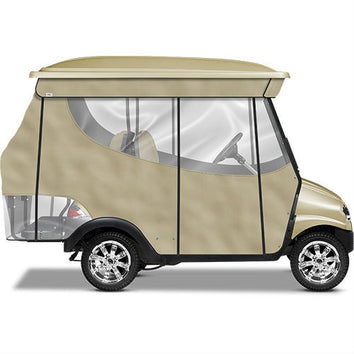
1. Enclosures – The First Line of Defense

If you only add one upgrade this winter, make it an enclosure. It’s the single most effective way to extend your golf cart season. It is protecting you from biting wind, cold rain, and early-morning frost that can turn an otherwise fun ride into something you dread.
An enclosure transforms your open golf cart into a semi-insulated cabin, keeping the interior temperature significantly higher than the outside air. It also prevents your seats and electronics from being exposed to moisture, which can corrode switches, wiring, and seat heaters over time.
Learn more with our golf cart enclosures guide.
What to Look For
1. Material – The Backbone of Durability
Not all fabrics handle cold the same way. Choose marine-grade vinyl or Sunbrella® fabric. Both are built to withstand low temperatures, UV rays, and repeated folding without cracking or fading. Cheaper PVC-based covers tend to get brittle and foggy in winter, leaving you with broken zippers or cloudy windows just when you need them most.
2. Fitment – Custom Is Everything
A proper enclosure should fit like a tailored jacket. Model-specific designs contour to your golf cart’s frame, providing tight seals around the windshield, roofline, and doors. In contrast, “universal” options may look appealing for their price, but they flap at high speeds, leak during rain, and wear out faster due to constant tension on the seams.
3. Style – Match the Enclosure to Your Climate
For mild winters or occasional cold mornings, an over-the-top enclosure is quick to install and easy to remove when spring returns. But if you’re in a region where temperatures stay low for weeks, go for a track-style enclosure. These mount on rails, creating a more airtight barrier that traps heat better, especially when paired with a windshield and heated seats.
Extreme Kartz Pick:
Our go-to is the DoorWorks Enclosure, engineered with premium vinyl and heavy-duty zippers that glide smoothly even in freezing conditions. It seals tightly around the frame, eliminating drafts and keeping your cabin warm and dry without rattling. If you plan to use your cart year-round, this one’s a game-changer.
Expert Tip:
“Install your enclosure before temperatures drop. Vinyl gets stiff fast and is harder to stretch into place — a little prep before the cold hits will save you time and frustration later.”
👉 Explore golf cart enclosures and covers →
2. Windshields – Visibility and Warmth Go Hand in Hand

A good golf cart windshield isn’t just about keeping bugs out of your face — it’s about comfort, safety, and efficiency in cold weather. When paired with an enclosure, it traps warmth inside the cabin and prevents the “wind tunnel” effect that quickly drains heat from your seats and hands.
Most stock windshields do the bare minimum. They block the breeze, but they don’t seal tightly, rattle in motion, or fog up the first time the temperature drops. That’s why upgrading to a higher-quality design is one of the smartest winter moves you can make.
What to Look For
1. Material – Clarity Meets Durability
Go for polycarbonate over acrylic every time. Polycarbonate is impact-resistant, flexible, and can handle sudden temperature swings without cracking. Acrylic windshields are cheaper but can shatter or fog up after exposure to cold air and moisture. If you drive through frosty mornings or light rain, the difference in clarity is night and day.
2. Folding Design – Control Your Airflow
A folding windshield gives you options. When the sun comes out or you’re trailering your cart, you can fold it down to allow ventilation and prevent interior condensation. Look for hinges or clips that stay secure without vibrating; that’s a common issue with cheaper models that can distract you while driving.
3. Sealing and Fitment – Keep the Cold Out
A great windshield should form a tight seal with your roof and dash. That seal not only blocks drafts but also reduces cabin noise and keeps heat from escaping when used with an enclosure. Always verify compatibility with your specific golf cart model; even a small gap around the edges can make the cabin feel several degrees colder.
Extreme Kartz Pick:
We prefer using a Red Dot or DoubleTake model depending on your cart’s make/year. Match your cart (e.g., EZ‑GO, Club Car, Yamaha) with the correct windshield brand’s model fit list and you’ll get a quiet, draft‑free, warm cabin that doesn’t rattle or fog.
Expert Insight:
“A good windshield completes your enclosure setup — it’s the difference between a cold, noisy ride and a comfortable, insulated cabin you actually want to drive in.”
👉 Browse our windshields collection →
3. Heated Seats – Small Upgrade, Big Comfort Difference

Once temperatures dip below 50°F, heated seats turn an ordinary golf cart into a year-round vehicle. They don’t just warm you up — they make every ride feel effortless, even when the air is biting cold. For golfers, neighborhood cruisers, or anyone using a cart for chores, this single upgrade drastically improves comfort and usability.
What to Look For
1. Type – Plug-In vs. Integrated Systems
-
Plug-in seat covers are the quickest solution. They slip over your existing cushions and connect to a 12V port or USB adapter. Ideal if you want warmth without rewiring.
-
Integrated seat heaters install under the upholstery and connect directly to your cart’s power system (often the 48V battery pack with a voltage reducer). They take more time to install but deliver faster, more even heat — and look factory-made.
2. Heating Performance and Control
Look for adjustable temperature settings and carbon-fiber heating pads for efficient, consistent warmth. Carbon-fiber elements heat evenly and use less power than older wire-based designs. Avoid single-setting models that run too hot or too mild — fine-tuned control makes all the difference during longer drives.
3. Power Draw and Installation
Check your cart’s voltage and whether it already has a DC-to-DC converter installed. Most heaters need a steady 12V output, not a full 36V or 48V feed from the main battery bank. A small oversight here can fry your wiring or shorten your battery life. If you’re not comfortable working with electrical connections, have an installer handle the wiring to keep it neat and fused properly.
Extreme Kartz Pick:
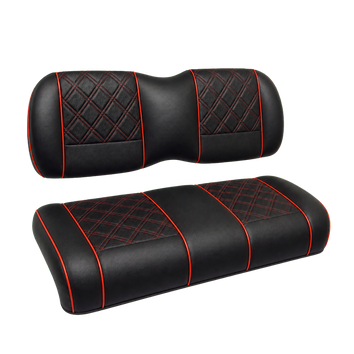
Lazy Life heated seats deliver instant comfort, low power consumption, and easy installation — making cold-weather rides enjoyable from the very first use.
Expert Tip:
“Install heated seats while doing your winter maintenance. It’s easier to route wiring when your seat base is already open for inspection, and it keeps your setup clean and safe.”
👉 Check out Lazy Life Heated Seats →
4. Portable & Electric Heaters – Helpful, But Know the Limits
 We get asked about heaters more than almost any other winter accessory — and for good reason. When you’re riding in 40°F weather, the idea of instant warmth sounds perfect. But while heaters can take the edge off, they’re not a magic fix for an unsealed cart. Think of them as supplements, not substitutes for good insulation.
Portable Propane Heaters
Propane models like the Piezo-Ignited Portable Heater deliver quick, radiant warmth that feels great on chilly mornings. They’re simple, reliable, and don’t drain your batteries. But they come with trade-offs:
-
They require ventilation. Never use them in a fully enclosed cart. Without airflow, propane heaters can create condensation and even pose safety risks.
-
You’ll also need to manage moisture buildup, since the combustion process releases water vapor that can fog your windshield and dampen seat cushions.
Extreme Kartz Pick:
The Piezo-Ignited Portable Propane Heater is our go-to for open carts or carts with half enclosures. It lights instantly, stays stable on uneven terrain, and warms up the driver’s area in seconds. Just crack a window or unzip a panel to keep air circulating.
Electric Heaters
If you prefer a cleaner, odor-free option, compact electric heaters are worth considering — just be realistic about their power draw.
-
Most 12V plug-in heaters consume 150–300 watts, which can quickly tax your converter if you’re running lights or speakers too.
-
Always check your converter’s output rating and ensure it’s fused properly. A low-wattage heater built specifically for golf carts or small vehicles is best — they’re designed for steady but modest warmth, not room-like heating.
Expert Verdict
“They’re fine for short drives or quick warm-ups, but if you want lasting comfort, a good enclosure plus heated seats is a far better investment. You’ll get steady warmth, lower power use, and zero moisture issues.”
5. All-Terrain Tires – Traction That Matters

Cold weather changes everything about how your golf cart handles. Slick pavement, damp grass, and frozen terrain all ramp up the risk of slipping, sliding, or losing control. Upgrading to all-terrain tires is one of the smartest winter moves you can make. They’re not just “nicer”, they’re a performance and safety upgrade.
Why All-Terrain Tires Are a Winter Essential
All-terrain tires are designed with deeper tread patterns and more flexible rubber compounds that remain grippy even when the air is cold. That means better braking, tighter cornering, and confidence on mixed surfaces — whether you’re on gravel, frost-covered turf, or a chilly paved path.
Winter Tire Maintenance Tips
-
Choose an all-terrain or hybrid tread pattern: These are ideal for mixed-surface drives (grass, gravel, pavement) and cold weather conditions.
-
Check tire pressure (PSI) frequently: Cold air lowers pressure — every drop in temperature can reduce PSI and compromise traction.
-
Inspect the rubber condition: In colder temps rubber stiffens, and small cracks or dry spots can turn into bigger issues fast. Early inspection prevents sudden failures.
Extreme Kartz Pick:
We recommend browsing our full All-Terrain Tire Collection for winter-ready options that balance traction, durability, and ride comfort. 👉
Shop All-Terrain Tires →
Expert Tip:
“If your cart slips on hills or turns after a frost, it’s time to upgrade your tires. Traction isn’t just about performance, it’s about confidence and safety every time you drive.”
Final Thoughts from the Extreme Kartz Experts
You don’t need to mothball your golf cart for winter — you just need to set it up right.
With a quality enclosure, polycarbonate windshield, heated seats, and all-terrain tires, your cart can handle almost anything the season throws your way.
“Cold weather doesn’t stop us — it just means we outfit our carts for it.”
👉 Explore all winter-ready golf cart accessories at Extreme Kartz →
Frequently Asked Questions
Related Products

Vendor: DoubleTake Enclosure for 4 Passenger, 80" Top (Valance included)


Vendor: Storage Cover For 88" tops

Vendor: Lazy Life Custom Benchback Seat Builder - Rear Seat


